


Understanding Gridwall Systems
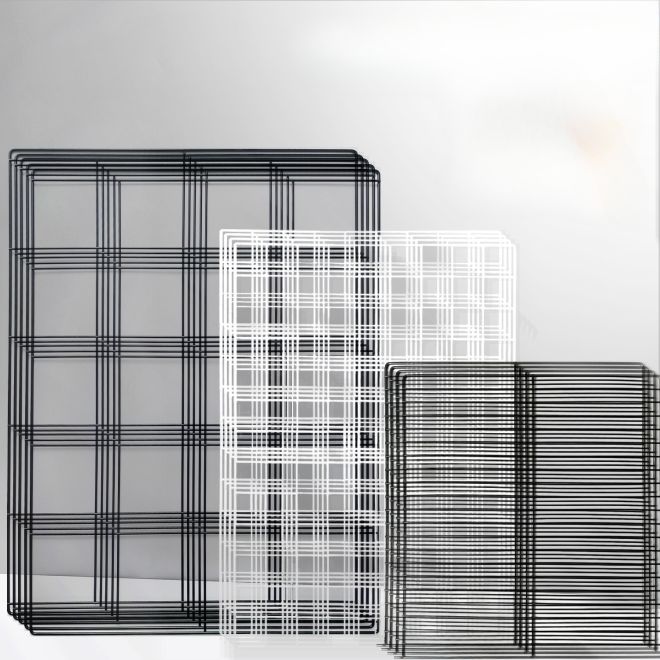
Gridwall systems are a popular choice for both retailers and home organizers due to their versatility and ease of customization. Comprised of a series of grid panels that can be mounted on walls or stand alone with the use of legs, these systems are ideal for displaying a wide range of products. Made primarily from metal, gridwalls are durable and can support various accessories, including shelves.
Benefits of Gridwall Systems
Gridwall systems are lauded for their flexibility in design and functionality. They allow for easy rearrangement and expansion, providing a robust and scalable solution for display needs. Additionally, gridwall systems are cost-effective, making them a preferred choice for businesses looking to optimize space without a hefty investment.
Choosing the Right Shelves for Gridwalls
When attaching shelves to a gridwall, selecting the proper shelves is crucial. The choice depends on the type of items being displayed and the aesthetic look desired.
Materials and Design
Shelves for gridwalls come in various materials such as wire, glass, wood, and plastic. Each material has its benefits; for example, wire shelves are lightweight and affordable, while glass shelves provide a sleek, modern appearance.
Load Capacity
Understanding the load capacity is essential. Wire shelves generally handle lighter items, while wood and metal shelves can support heavier products. It's important to ensure the shelves chosen do not exceed the weight capacity of the gridwall system.
Tools Needed to Attach Shelves
Attaching shelves to a gridwall requires some basic tools to ensure proper installation and safety.
Essential Tools
- Screwdriver or drill for securing brackets
- Level to ensure shelves are straight
- Measuring tape for accurate placement
- Brackets specific to the shelf type
Preparing the Gridwall for Installation
Preparation is key to a successful installation. This step involves ensuring the gridwall is ready to safely accommodate shelves.
Inspecting the Gridwall
Before installation, the gridwall should be inspected for any damage or weaknesses. Ensuring all panels are secure will prevent accidents.
Cleaning the Surface
Cleaning the gridwall surface is crucial, as dust or debris can affect the stability of the attachments. Using a damp cloth, wipe down the panels.
Positioning the Shelf Brackets
Proper positioning of the shelf brackets is essential to ensure stability and balance.
Measuring and Marking
Measure the distance required between brackets based on the shelf length. Use a pencil to mark where each bracket will be placed for symmetry.
Attaching Brackets
Using the selected tools, attach the brackets firmly to the gridwall. Ensure that each bracket is level to avoid the shelf tilting.
Securing the Shelves to the Gridwall
Once the brackets are in place, it is time to secure the shelves.
Placing the Shelves
Carefully place the shelves onto the installed brackets, checking each shelf for stability. Adjust if necessary to ensure each shelf sits properly with balanced support.
Final Adjustments
Perform a final visual and physical inspection of each shelf. Apply minimal pressure to each side of the shelf to test the strength of the attachment.
Tips for Arranging Multiple Shelves
When dealing with multiple shelves, strategic arrangement can enhance both aesthetics and functionality.
Vertical and Horizontal Spacing
Optimize vertical space by varying the height between shelves. This gives a layered look and allows for different sized objects to be displayed efficiently.
Consider Weight Distribution
Heavier items should be placed on the lower shelves to maintain stability and prevent the gridwall from tipping.
Safety Considerations When Attaching Shelves
Safety should always be a priority when attaching shelves to a gridwall.
Weight Limits
Each gridwall and shelf type has a specific weight limit. Overloading shelves can lead to structural failure and potential injury.
Regular Maintenance
Regularly check the tightness of the brackets and the condition of the gridwall and shelves to prevent unforeseen accidents.
Common Mistakes to Avoid
Avoiding common installation mistakes can save time and increase safety.
Incorrect Bracket Placement
One of the most common errors is placing brackets too far apart, which leads to insufficient support for the shelves.
Ignoring Load Recommendations
Disregarding load recommendations is a frequent oversight and can be costly in terms of both repairs and safety risks.
Creative Shelf Arrangements for Gridwalls
Creativity in arranging shelves can enhance display effectiveness and visual appeal.
Themed Displays
Consider arranging shelves to create themed sections, which can guide customer focus and increase sales in a retail setting.
Layered Arrangements
Utilize layering by combining different shelf types and sizes, which can add depth to the display.
Formost Plastics Provide solutions
Formost Plastics, as a prominent supplier in China, offers innovative solutions for gridwall systems. Our high-quality shelving options are designed for durability and ease of installation, ensuring that retailers and homeowners can optimize their space efficiently. Collaborating directly with our factory guarantees competitive pricing and customization to meet specific display needs. Our products adhere to the strictest quality standards, providing reliable support and enhancing the functionality of gridwall systems for any application. For a comprehensive solution to shelving challenges, Formost Plastics is your trusted partner.
User hot search: gridwall shelves