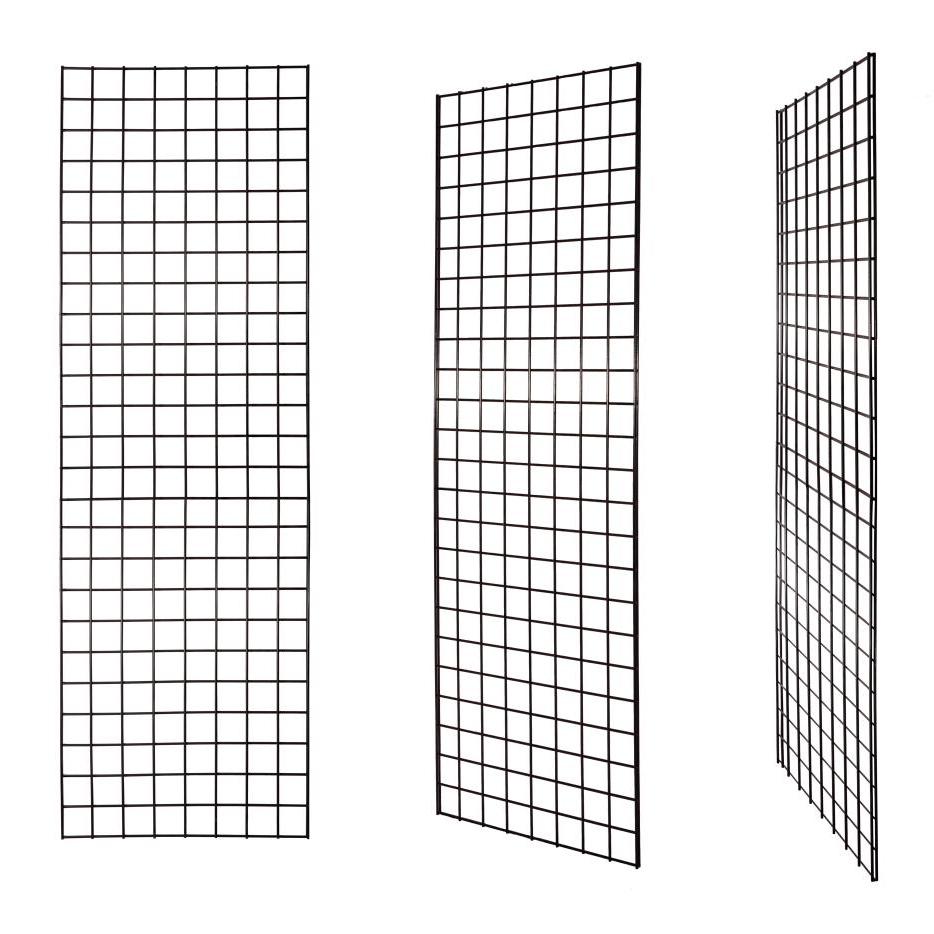


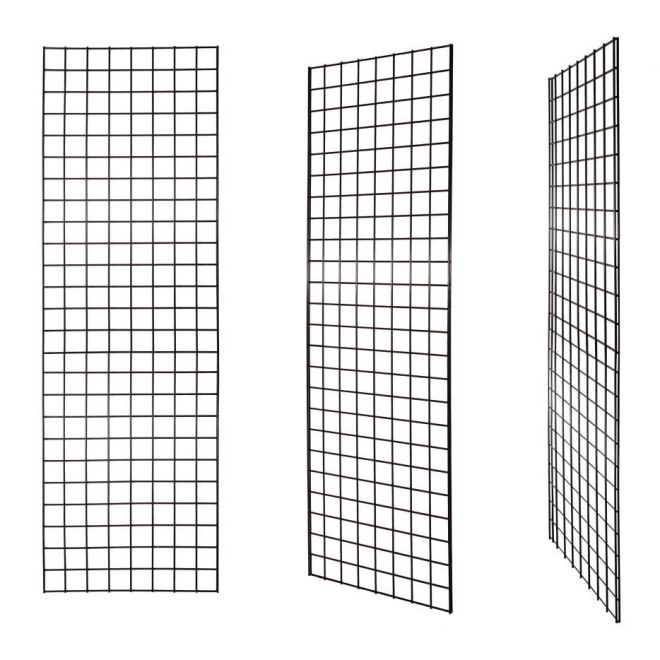
Introduction to metal grid panels
Metal grid panels are a versatile solution utilized in various industries for both aesthetic and functional purposes. They serve as partitions, facade elements, and frameworks for green walls, among other applications. Known for their durability and adaptability, these panels are popular in both residential and commercial projects.
Choosing the Right Metal Grid Panels
Material Considerations
The choice of material is crucial. Common materials include steel, aluminum, and stainless steel. Each has its advantages, such as corrosion resistance for stainless steel and the lightweight nature of aluminum.
Panel Dimensions
Panel size is determined by the installation area and design requirements. Panels typically range from 1x1 meter to 2x3 meters in size, and thickness varies from 2mm to 5mm.
China's Role in the Market
China is a major player in the production and supply of metal grid panels. With a vast number of manufacturers and competitive pricing, sourcing panels from China can be advantageous for wholesale buyers.
Tools and Materials Needed for Installation
Essential Tools
Essential installation tools include a drill, level, measuring tape, and appropriate fasteners. For cutting panels, a metal saw may be needed.
Materials for Support
Support materials such as brackets, screws, and anchors are necessary to ensure that panels are securely fastened. Galvanized or stainless steel options are recommended to prevent rusting.
Factory-Recommended Equipment
Manufacturers often provide specifications on tools and materials best suited for their particular panel designs. Adhering to these guidelines can result in a smoother installation process.
Preparing the Installation Area
Site Inspection
Conduct a thorough inspection of the installation area, ensuring that surfaces are clean, flat, and free of any structural issues that might compromise the installation.
Measuring and Marking
Accurate measurements and markings are crucial. Lay out the grid plan using chalk lines or laser guides to ensure alignment during installation.
Environmental Considerations
Consider factors like wind load and exposure to elements, especially in outdoor installations. These conditions can affect the choice of panel material and installation method.
Step-by-Step Installation Process
Positioning the Panels
Begin by positioning the panels according to the prepared grid plan. Ensure that they are aligned and level before proceeding to secure them.
Securing the Panels
Use the appropriate fasteners to attach the panels to the supporting structure. Double-check alignment and security after fastening each panel.
Adjustments and Final Checks
After all panels are installed, make any necessary adjustments to ensure uniformity. Perform a final inspection to confirm that all fasteners are secure and the installation is stable.
Ensuring Panel Stability and Security
Reinforcement Options
For added stability, consider using additional reinforcement such as cross-bracing or additional anchoring points, especially in high-wind areas.
Security Features
In applications where security is a concern, incorporate features such as tamper-proof fasteners or additional locking mechanisms.
Quality Assurance Testing
Conduct load testing to ensure that the panels can withstand expected stresses. This is particularly important in commercial or industrial installations.
Electrical Considerations with Metal Grids
Insulation and Safety
Ensure that any electrical installations consider the conductivity of metal. Use appropriate insulation to mitigate the risk of electrical hazards.
Planning for Integration
If integrating with electrical systems, plan the conduit and cable layouts in advance to avoid interference with the metal panels.
Compliance with Standards
Adhere to local electrical codes and standards, ensuring that the installation meets all necessary safety regulations.
Handling and Maintenance Post-Installation
Regular Inspections
Schedule regular inspections to check for signs of wear or damage, such as rust or corrosion, particularly in outdoor installations.
Cleaning Protocols
Develop a cleaning protocol using non-abrasive materials to maintain the panels' appearance and prevent deterioration over time.
Maintenance Services Offered by Factories
Many factories offer maintenance services that can provide professional care for installed panels, extending their lifespan.
Troubleshooting Common Installation Issues
Alignment Problems
If panels are misaligned, re-check the initial layout and adjust as necessary, ensuring all fasteners are properly positioned.
Loose Fasteners
Inspect and tighten any loose fasteners. In cases of persistent issues, consider using alternative fastening solutions recommended by the factory.
Corrosion and Wear
Address any signs of corrosion promptly by cleaning and applying anti-corrosion treatments as necessary.
Concluding Thoughts on Metal Grid Panel Use
Metal grid panels offer a reliable and versatile solution for various architectural and industrial needs. Their strength, adaptability, and aesthetic appeal make them a popular choice for projects globally. By following proper installation and maintenance protocols, these panels can provide long-lasting benefits.
Formost Plastics Provide Solutions
Formost Plastics offers comprehensive solutions for all your metal grid panel needs, from sourcing high-quality panels from leading factories, including extensive options from China, to providing installation support and maintenance services. Our wholesale offerings ensure competitive pricing and timely delivery for projects of any scale. Trust Formost Plastics to deliver durability and excellence in metal grid installations.