


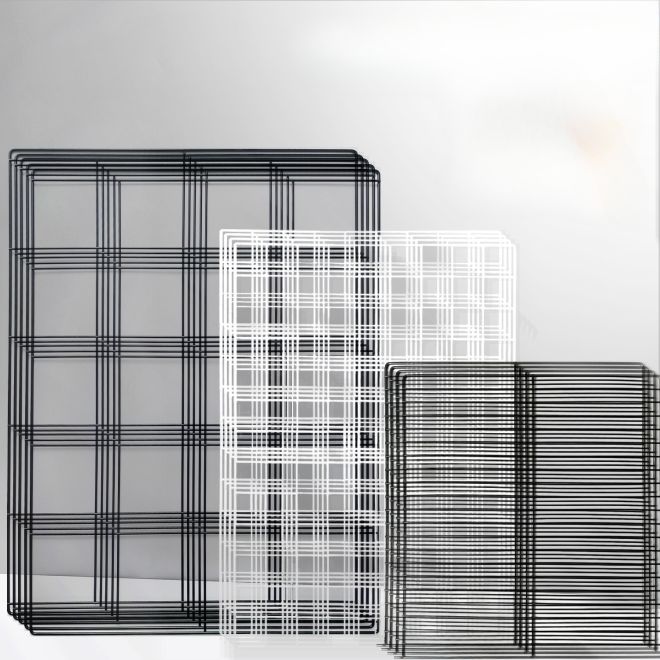
Introduction to Gridwall Panels
Gridwall panels are versatile display solutions utilized widely in retail spaces, trade shows, and even home environments. These panels offer adaptable merchandising opportunities, allowing users to customize their displays using hooks, shelves, and brackets. As a manufacturer, factory, or supplier, understanding the intricacies of gridwall panel installation can greatly benefit your operations and those of your clients.
Tools Required for Installation
Essential Tools
Before embarking on the installation process, gather essential tools to ensure a seamless experience. These typically include a drill, measuring tape, stud finder, pencil, level, screws, and anchors. As a supplier, providing a checklist to your clients enhances customer satisfaction.
Recommended Equipment
While basic tools suffice for most installations, recommending additional equipment such as a laser level can optimize accuracy. Factories and manufacturers may consider offering these as part of an installation kit to improve client outcomes.
Choosing the Right Location
Assessing Space Requirements
Identifying the ideal location requires an understanding of spatial dynamics. Consider the volume of foot traffic, visibility, and accessibility. Installing gridwall panels in high-traffic areas can significantly boost product exposure and sales.
Structural Considerations
When selecting a site, evaluate the wall's structural integrity. Use a stud finder to detect load-bearing elements that provide necessary support, especially important in settings like retail shops where durability is crucial.
Selecting Appropriate Gridwall Size
Standard Dimensions
Gridwall panels are typically available in standard sizes such as 2x4 feet or 4x8 feet. Consider the volume of inventory and intended display objectives when selecting the panel size. Suppliers should offer a range of sizes to meet diverse client needs.
Custom Solutions
For scenarios requiring unique display dimensions, manufacturers and factories can supply custom-sized panels. Tailoring solutions enables clients to maximize their space effectively, enhancing their operational efficiency.
Marking and Preparing the Wall
Accurate Measurements
Precision is paramount when marking drill points. Use a measuring tape and level to ensure alignment. Mark the positions where the gridwall panels will be attached, confirming they align with studs or anchors for optimal support.
Wall Preparation
- Ensure the wall surface is clean and free of obstacles.
- Identify electrical wiring locations to prevent accidents during drilling.
Drilling Holes and Inserting Anchors
Proper Drilling Techniques
Utilize the drill to create holes at marked positions, maintaining control to prevent wall damage. Factories and suppliers should emphasize the importance of using the correct drill bit size specific to the anchor type supplied.
Anchor Types and Installation
Choose from a variety of anchor types such as toggle bolts or wall plugs. Insert the anchors into the drilled holes, using a hammer if necessary to secure them firmly. This step ensures the gridwall panel’s stability under load.
Mounting the Gridwall Panel
Aligning and Securing the Gridwall
Align the gridwall panel with the pre-drilled holes. Use screws to secure the panel firmly to the wall. Employ a level to verify the panel is aligned correctly, vital for aesthetic appeal and functional integrity.
Ensuring Structural Integrity
Evaluate the panel’s stability by applying slight pressure. Manufacturers should design panels with reinforcement options to enhance load-bearing capabilities, an appealing feature for potential clients.
Attaching Accessories and Fixtures
Selection of Accessories
Gridwall panels accommodate various accessories such as hooks, shelves, and baskets. Choose the appropriate fixtures based on the product display strategy. Suppliers can offer bundles of popular accessories to enhance client offerings.
Strategic Placement
Position accessories strategically to maximize space and visibility. Balance the arrangement to prevent overloading specific sections, which could compromise stability and display aesthetics.
Evaluating Stability and Making Adjustments
Final Inspection
Conduct a thorough inspection of the gridwall panel installation. Check for any loose components and ensure all screws and anchors are secure. This process mitigates risks associated with faulty installations.
Adjustment Recommendations
If instability is detected, reassess the mounting technique and make necessary adjustments. Consider distributing weight evenly across the panel using strategic fixture placement.
Maintenance and Safety Tips
Routine Maintenance
Regular inspections and maintenance prolong the lifespan of gridwall panels. Clean the panels periodically and check for wear and tear, especially in high-traffic areas.
Safety Considerations
Ensure heavy items are securely attached and avoid overloading the panels. Manufacturers and suppliers should provide guidelines and weight limits to prevent accidents and maintain structural integrity.
Formost Plastics Provide Solutions
Formost Plastics offers comprehensive solutions for your gridwall panel needs. As a leading manufacturer, we provide custom-sized panels and an array of accessories to suit any display requirement. Our expert installation guides and high-quality materials ensure durable and attractive setups, enhancing both safety and aesthetics in retail environments. Partner with Formost Plastics for innovative display solutions designed to elevate your merchandising strategy and maximize your space's potential.
User hot search: gridwall panel display