

1. Introduction to Product Display Shelves
● Definition and Purpose
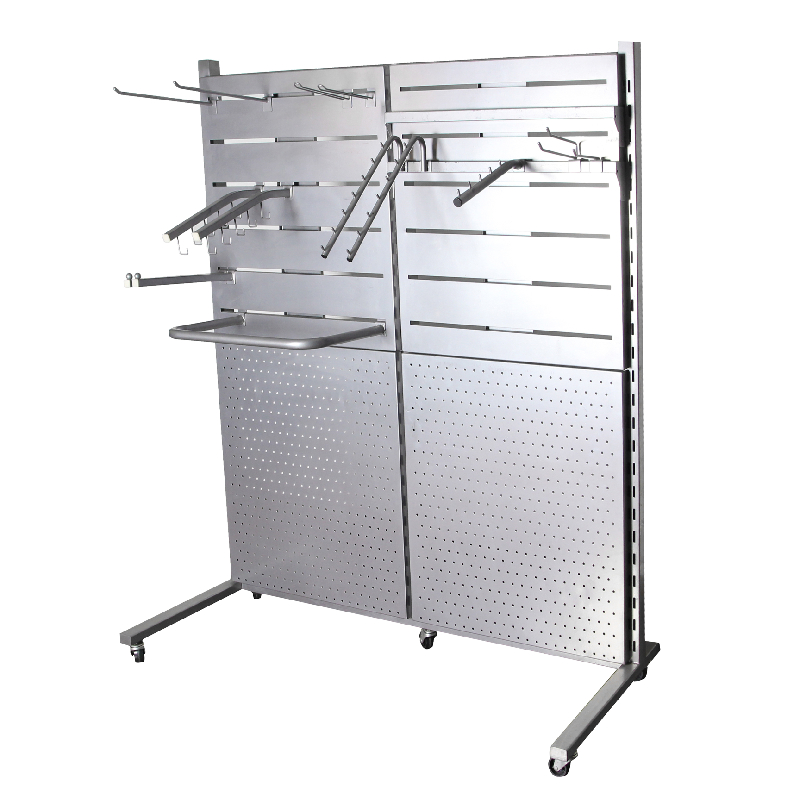
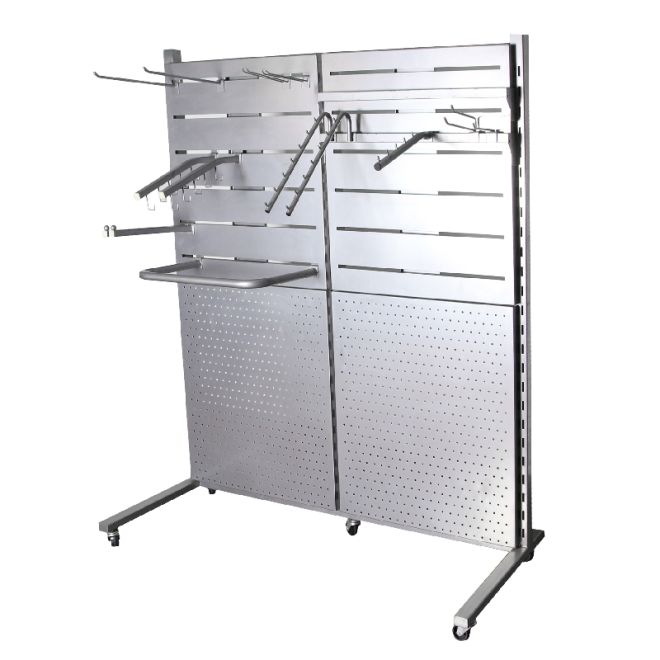
Product display shelves are fixtures used in retail environments to organize, present, and promote products. Unlike standard shelving units, display shelves are designed with aesthetics and visibility in mind, aiming to capture the attention of customers and enhance their shopping experience. These shelves serve multiple purposes, including showcasing products, supporting marketing efforts, and facilitating efficient inventory management.
● Importance in Retail Environments
In retail environments, first impressions are vital. Product display shelves provide a platform to create visually appealing displays that draw customers in and encourage them to interact with the products. By strategically positioning products at eye level and grouping them by category or theme, retailers can guide customers through their stores, making it easier for them to discover and purchase items. Moreover, well-designed shelves can enhance brand identity and reinforce marketing messages, contributing to a cohesive shopping experience.
2. Types of Product Display Shelves
● Freestanding vs. Wall-Mounted
There are various types of product display shelves, each serving different purposes and catering to different retail needs. Freestanding shelves, for instance, are versatile fixtures that can be placed anywhere in the store, providing flexibility in design and layout. These shelves are often used to create focal points or divide spaces within a store.
Wall-mounted shelves, on the other hand, are fixed to the walls and are ideal for maximizing vertical space. These shelves are commonly used in stores with limited floor space, allowing retailers to display a wide range of products without cluttering the aisles.
● Modular and Adjustable Designs
Modular and adjustable display shelves offer additional flexibility, allowing retailers to customize their displays to suit changing needs and seasonal promotions. These shelves come in various configurations that can be easily rearranged or expanded, providing a cost-effective and adaptable solution for dynamic retail environments.
3. Materials Used in Display Shelves
● Common Materials: Wood, Metal, Glass
The choice of material for product display shelves can greatly influence their appearance, durability, and functionality. Wood, metal, and glass are among the most common materials used in shelving units.
Wooden shelves provide a natural and warm aesthetic, making them suitable for stores aiming to create a cozy and inviting atmosphere. Metal shelves, known for their strength and durability, are often used in industrial or modern-themed stores. Glass shelves offer a sleek and sophisticated look, ideal for high-end retailers looking to showcase premium products.
● Choosing the Right Material for Products
Selecting the right material for display shelves depends on various factors, including the type of products being displayed, the store's design aesthetic, and budget constraints. For instance, heavy or bulky products may require sturdy metal shelves, while delicate or high-value items might be best showcased on glass shelves to emphasize their quality and allure.
4. Design Principles for Display Shelves
● Aesthetic Appeal and Functionality
The design of product display shelves should strike a balance between aesthetic appeal and functionality. Aesthetically pleasing shelves can enhance the overall look of a store, attracting customers and encouraging them to explore the space. However, functionality is equally important, as shelves must be practical and easy to use for both customers and staff.
● Role of Color and Lighting
Color and lighting play a critical role in the effectiveness of product display shelves. The right color scheme can evoke specific emotions and create a cohesive brand image, while strategic lighting can highlight feature products and create a sense of ambiance. Retailers should consider using adjustable lighting solutions to enhance the visual impact of their displays and create an engaging shopping environment.
5. Maximizing Space with Display Shelves
● Efficient Space Utilization Techniques
In retail, space is at a premium. Efficient space utilization is crucial for maximizing product visibility and creating a comfortable shopping experience. Product display shelves can be arranged to optimize floor space, ensuring that customers have ample room to navigate the store while still providing sufficient product exposure.
● Creative Arrangements for Small Spaces
For stores with limited space, creative shelving arrangements can make a significant difference. Vertical shelving, corner units, and stackable displays are effective solutions for small spaces, allowing retailers to showcase a variety of products without overcrowding the store.
6. Impact of Display Shelves on Consumer Behavior
● How Placement Influences Purchasing Decisions
The placement of product display shelves can significantly influence consumer behavior and purchasing decisions. By positioning shelves at strategic points throughout the store, retailers can guide customer flow and create opportunities for impulse purchases. High-traffic areas, such as near the entrance or checkout, are ideal locations for promotional displays and new product launches.
● Role of Accessibility and Visibility
Accessibility and visibility are key factors in the effectiveness of product display shelves. Shelves should be designed to make products easily accessible to customers, encouraging them to interact with and ultimately purchase the items. Visibility is equally important; products should be displayed at eye level to ensure they are noticed and considered by customers.
7. Customization and Personalization of Shelves
● Tailoring Shelves to Brand Identity
Customization and personalization are key trends in modern retail design. By tailoring product display shelves to align with brand identity, retailers can create a cohesive and memorable shopping experience that resonates with customers. Custom shelving solutions can incorporate brand colors, logos, and unique design elements to reinforce brand messages and enhance store aesthetics.
● Custom Solutions for Unique Product Needs
Every product has unique display requirements, and custom shelving solutions can address these specific needs. For instance, delicate or irregularly shaped items may require specially designed shelves to ensure they are displayed securely and attractively. By working with a product display shelves manufacturer or supplier, retailers can develop bespoke solutions that showcase their products effectively and enhance their overall retail environment.
9. Maintenance and Durability of Display Shelves
● Regular Upkeep Practices
Regular maintenance is essential to ensure the longevity and effectiveness of product display shelves. Retailers should establish routine cleaning and inspection schedules to keep shelves looking their best and functioning properly. Addressing minor damages or wear promptly can prevent more significant issues and extend the lifespan of the shelves.
● Ensuring Longevity with Quality Materials
Investing in high-quality materials and construction is crucial for ensuring the durability of product display shelves. Retailers should work with reliable product display shelves factories that adhere to stringent manufacturing standards and use premium materials. By choosing durable fixtures, retailers can reduce replacement costs and maintain a consistent store appearance.
Conclusion
Product display shelves are indispensable elements in the retail industry, offering a strategic advantage in showcasing products and enhancing customer experiences. By understanding the different types of shelves, materials, design principles, and technological advancements, retailers can make informed decisions that optimize their retail spaces. Whether working with a product display shelves manufacturer or supplier, retailers should prioritize quality, functionality, and brand alignment to create effective and engaging displays.
Formost: A Leader in Retail Display Solutions
Formost Plastics & Metalworks (Jiaxing) Co., Ltd. has been at the forefront of designing and manufacturing retail displays, storage racks, and other fixtures since its establishment in 1992. Founded by a visionary entrepreneur from Taiwan, Formost has grown into a leading product display shelves factory, known for its commitment to quality and innovation. Located in Jiaxing, the factory spans 7,000 square meters and is equipped with state-of-the-art machinery operated by a team of over 70 skilled employees. Formost's dedication to international standards is reflected in its ISO9001 and SEDEX certifications, ensuring superior production processes and exceptional product outcomes.