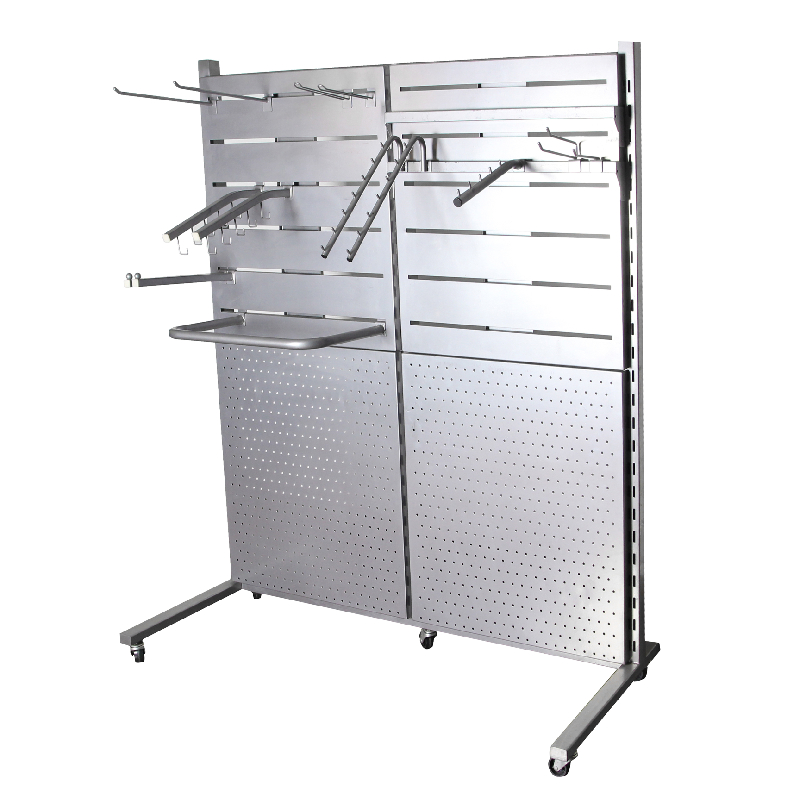


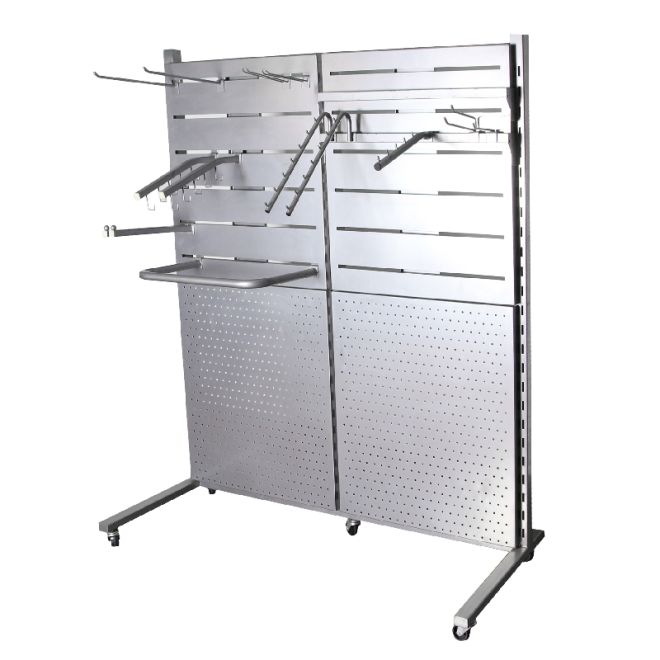
Introduction to Supermarket Shelving
In the bustling world of retail, especially in environments like a supermarket or wholesale shelf store, the arrangement and type of shelving play a critical role in shaping the customer experience. Shelving setups aren't just functional necessity; they are strategic tools that influence how products are perceived and purchased. A well-organized shelf store can drive impulse buys, guide customer traffic, and enhance the overall shopping experience. As such, exploring the different types of shelves available is crucial for anyone involved in the planning or operation of a retail space. Whether you're a shelf store manufacturer, a supplier, or simply someone curious about retail dynamics, understanding the various shelving options can provide valuable insights into effective retail strategies.
Gondola Shelving: Versatile and Modular
● Structure and Design Features
Gondola shelving is a staple in the retail industry, commonly used across various types of store formats, from grocery outlets to wholesale shelf stores. Known for its versatility and modular design, gondola shelving consists of a flat base with vertical components that support various shelving options. These units can be freestanding or fixed against walls, with adjustable shelves that allow for a customizable setup to suit different product sizes and shapes. The ability to change shelf heights and angles enables retailers to create visually appealing and accessible displays, enhancing the overall shopping experience.
● Benefits and Common Uses in Stores
One of the primary benefits of gondola shelving is its flexibility. Retailers can reconfigure these units to accommodate seasonal products, promotions, or new inventory, making them ideal for dynamic retail environments like grocery stores. Additionally, gondola shelves are often employed in high-traffic areas to maximize product visibility and accessibility. In wholesale settings, they provide an efficient way to display bulk items, supporting a self-service shopping experience. Many shelf store manufacturers and suppliers offer gondola shelving due to its popularity and proven effectiveness in enhancing sales through strategic product placement.
Rotating Display Racks: Dynamic Presentations
● How They Enhance Visibility
Rotating display racks offer a dynamic way to present products by allowing customers to view different items with a simple spin. This type of shelving is particularly effective for smaller items that benefit from 360-degree exposure, such as accessories, snacks, or novelty items. By making use of vertical space and creating an engaging shopping experience, rotating racks can significantly increase customer interaction with products.
● Ideal Products for Rotating Racks
Products that are visually appealing and small enough to be displayed in multiple quantities are ideal for rotating racks. These displays are popular in impulse buy areas as they can draw attention and encourage last-minute purchases. Retailers often use them for promotional items, seasonal goods, or any product that benefits from high visibility. Suppliers of these racks aim to provide sturdy, aesthetically pleasing options that suit the decor of various retail environments.
Wall Shelves: Space Optimization
● Types of Wall Shelving Systems
Wall shelves are a practical solution for maximizing retail space, especially in stores with limited floor area. They are typically mounted on brackets that can be adjusted to different heights, allowing for a variety of display configurations. These shelves come in several formats, including floating shelves, bracketed shelves, and slatwall systems, each offering unique aesthetic and functional benefits.
● Maximizing Vertical Space
The key advantage of wall shelves lies in their ability to utilize vertical space that might otherwise go unused. This feature is particularly beneficial in smaller stores where every square foot counts. By freeing up floor space, wall shelves help create a more open and navigable store layout, which can enhance the shopping experience. Many shelf store manufacturers provide customizable wall shelving solutions to meet the specific needs of different retail formats.
Display Shelves: Highlighting Featured Products
● Importance of Product Placement
Display shelves are designed to showcase featured products, often those that are on sale or new to the market. The strategic placement of these shelves is crucial, as they need to be positioned in high-visibility areas to maximize their impact. Effective product placement on display shelves can attract attention, drive foot traffic, and ultimately increase sales.
● Techniques for Effective Displays
To create compelling displays, retailers often use techniques such as color blocking, thematic arrangements, and lighting enhancements. By arranging products in visually appealing ways, they can capture customer interest and encourage purchases. Display shelves are a vital tool in merchandising strategy, with shelf store suppliers offering a range of options to suit different products and store environments.
Literature and Brochure Holders: Informational Displays
● Uses in Supermarkets and Beyond
Literature and brochure holders are essential for providing customers with information about products, store policies, or upcoming events. In supermarkets, these holders are often found near entrances, in customer service areas, or next to new product displays. They help retailers communicate directly with customers, providing them with the information they need to make informed purchasing decisions.
● Design Considerations and Materials
Effective literature holders are designed to be both functional and durable, capable of withstanding heavy use in a busy retail environment. They are made from materials such as metal, acrylic, or sturdy plastic, and are available in various sizes and configurations. Many shelf store factories produce these holders, ensuring they meet industry standards for quality and usability.
Brochure Stands: Marketing and Promotion
● Placement Strategies for Maximum Impact
Brochure stands are used to distribute marketing materials, such as coupons, product guides, or promotional flyers. To maximize their effectiveness, these stands should be placed in areas with high foot traffic, such as near entrances or checkout lines. Strategic placement ensures that the brochures are easily accessible to customers, increasing the likelihood of engagement.
● Types of Brochure Stands Available
There are numerous types of brochure stands available, ranging from tabletop holders to larger floor-standing units. These stands can be made from a variety of materials, including wood, metal, and plastic, and come in different styles to fit the aesthetic of any retail environment. Shelf store suppliers often provide customizable brochure stands to help retailers meet their specific needs.
End Caps: Strategic Product Promotion
● Leveraging End Caps for High-Traffic Areas
End caps are the shelving units placed at the end of aisles, and they serve as prime real estate for product promotion. Positioned in high-traffic areas, end caps are highly visible and can significantly boost product sales. Retailers typically use these spaces to feature seasonal items, promotions, or new product launches, capitalizing on the increased exposure.
● Selecting Products for End Cap Display
When selecting products for end cap displays, retailers should consider items that are likely to benefit from increased visibility and impulse purchase potential. High-margin products, promotional items, and those that complement products in the adjacent aisles are all good candidates for end cap placement. Successful end cap displays are strategically planned and regularly updated to reflect changing promotions and inventory.
Checkout Shelves: Impulse Buying Opportunities
● Types of Products Typically Found
Checkout shelves are strategically placed to capitalize on impulse buying behavior. Items commonly found on these shelves include snacks, beverages, magazines, and small electronics or accessories. These products are typically low-cost and require little consideration, making them perfect for last-minute purchases while customers wait in line.
● Strategies to Maximize Sales at Checkout
To maximize sales at checkout, retailers should focus on product selection, placement, and rotation. Regularly updating the products featured on these shelves keeps the offerings fresh and interesting for returning customers. Additionally, retailers can experiment with different product arrangements and signage to capture customer interest and encourage spontaneous purchases.
Conclusion: Choosing the Right Shelving
● Factors to Consider When Selecting Shelving
When selecting shelving for a supermarket or wholesale store, retailers must consider factors such as the type of products being sold, available space, and the overall store layout. Durability, flexibility, and aesthetics are also important considerations. By choosing the right shelving solutions, retailers can enhance product visibility, improve store navigation, and increase sales.
● Future Trends in Supermarket Shelving Solutions
As technology and consumer preferences evolve, supermarket shelving solutions are also expected to change. Innovations such as smart shelving with integrated digital displays and environmentally-friendly materials are emerging trends in the industry. By staying informed about these developments, retailers can ensure their stores remain competitive and continue to meet customer needs.
Formost: Leading the Industry in Retail Displays
Formost Plastics & Metalworks (Jiaxing) Co., Ltd., established in 1992, is a renowned shelf store manufacturer known for its exceptional design and production of retail displays, storage racks, and fixtures. With over 30 years of expertise, Formost operates a state-of-the-art facility in Jiaxing, China. Our 7000-square-meter factory and team of over 70 skilled employees are dedicated to delivering high-quality products, holding ISO9001 and SEDEX certifications. Equipped with advanced machinery, including CNC cutting and bending machines, Formost ensures superior product outcomes for the global market.