

● Introduction
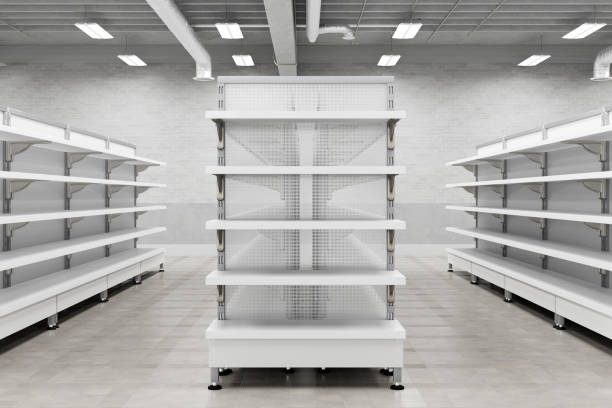
In the fast-paced environment of modern retail, the supermarket shelf is an indispensable structure designed to optimize the presentation and accessibility of products. Each component of the shelf plays a critical role in maintaining order, enhancing product visibility, and supporting efficient store operations. This comprehensive guide delves into the key parts of a supermarket shelf, highlighting their functions, materials, and variations. Whether you are sourcing a shelf in supermarket, a wholesale shelf in supermarket, or seeking insights from a shelf in supermarket manufacturer, this article will provide you with an in-depth understanding.
● Uprights: Framework and Stability
●
○ Vertical Supports
Uprights are the backbone of any supermarket shelving system. Typically constructed from robust materials such as metal or plastic, these vertical columns provide crucial support for the entire structure. They extend from the base of the unit to the top, ensuring that shelves remain stable and secure even under the weight of heavy merchandise.
●
○ Material Options
The choice of material for uprights is essential to their functionality and durability. Metal uprights, often made from steel, offer superior strength and longevity. Plastic uprights, while lighter and more affordable, provide flexibility and resistance to corrosion, making them suitable for specific retail environments.
●
○ Placement and Spacing
Uprights are strategically placed at regular intervals along the length of the shelf. This spacing is calculated to distribute the weight evenly and provide adequate support for all sections of the shelving unit. Proper placement ensures that the shelves can bear the varying weights of different products without compromising stability.
● Shelves: Product Display Platforms
●
○ Materials Used
Shelves are the horizontal surfaces where products are displayed. They are typically made from durable materials such as metal, wood, or plastic. Each material has its advantages: metal shelves are strong and durable, wooden shelves offer a classic aesthetic, and plastic shelves are lightweight and resistant to moisture.
●
○ Height Adjustability
One of the key features of supermarket shelves is their adjustability. Shelves can be repositioned at different heights along the uprights to accommodate products of various sizes. This flexibility allows retailers to optimize their shelf space and create dynamic displays that adapt to changing inventory.
●
○ Visibility Enhancements
To further improve product visibility, shelves can be designed with a slight tilt or slope. This angle ensures that products are more easily seen and reached by customers. Additionally, transparent or perforated shelves can enhance visibility and airflow, making the shopping experience more pleasant.
● Back Panels: Stability and Protection
●
○ Types and Materials
Back panels provide vertical support to the rear of the shelving unit. They are commonly made from materials such as metal or plastic, and can be solid or perforated. Solid back panels offer a clean, uniform appearance, while perforated panels provide added functionality by allowing for the attachment of accessories.
●
○ Airflow Considerations
Perforated back panels facilitate better airflow around products, which is particularly important for items that require ventilation, such as fresh produce. Proper airflow helps to maintain product quality and reduce spoilage, ultimately contributing to a better customer experience.
●
○ Accessory Attachments
Back panels also serve as a base for attaching various accessories like hooks or pegs, which can be used to hang merchandise. This feature provides additional display options and helps in organizing products more efficiently, making it easier for customers to find what they are looking for.
● Base or Base Deck: Foundation Support
●
○ Types of Base Decks
The base or base deck is the foundational element of the shelving unit. It is typically a solid or perforated panel that provides stability and support for the entire structure. Base decks come in various designs, including flat, sloped, or with integrated storage compartments for added functionality.
●
○ Material Choices
Base decks are usually made from strong, durable materials such as metal or heavy-duty plastic. These materials ensure that the base can support the weight of the entire shelving unit and the products it holds, maintaining structural integrity over time.
●
○ Mobility Features (Wheels/Casters)
In some cases, base decks may be equipped with wheels or casters, allowing for easy mobility. This feature is particularly useful for retail environments that require frequent reconfiguration of store layouts or quick restocking of products.
● Fencing or Dividers: Product Organization
●
○ Types of Dividers
Fencing or dividers are vertical partitions that are attached to the front or sides of shelves to separate and organize products. These can be made from materials such as metal, plastic, or wire mesh. Types of dividers include fixed, adjustable, and removable options, each serving different organizational needs.
●
○ Adjustability Features
Adjustable dividers provide flexibility in organizing products of various sizes and shapes. They can be repositioned along the shelf to create custom sections that prevent items from mixing or falling over, ensuring that the display remains neat and orderly.
●
○ Maintaining Neat Displays
Dividers play a crucial role in maintaining the aesthetics and functionality of product displays. By keeping items separated and organized, dividers help to enhance the overall shopping experience and make it easier for customers to locate and select products.
● Signage and Label Holders: Information Display
●
○ Types of Signage
Signage and label holders are essential for conveying product information, pricing, and promotions. Types of signage include shelf strips, clip-on labels, and digital price tags. Each type serves a specific purpose, from providing basic product details to highlighting special offers.
●
○ Placement Strategies
Strategic placement of signage and labels is key to maximizing their effectiveness. Signs should be positioned at eye level and in clear view of customers. Label holders can be attached to the front edge of shelves, ensuring that information is easily accessible without obstructing the product display.
●
○ Importance in Customer Decisions
Effective signage and labeling help customers make informed purchasing decisions. By providing clear and concise information, retailers can enhance the shopping experience, increase sales, and build customer loyalty. Well-designed signage can also support brand identity and create a cohesive store environment.
● Accessories: Enhancing Display and Organization
●
○ Common Accessories (Hooks, Trays, Bins)
Various accessories can be added to supermarket shelves to enhance product display and organization. Common accessories include hooks for hanging items, trays for small products, and bins for bulk merchandise. These accessories provide additional display options and help maximize the use of shelf space.
●
○ Customization and Flexibility
Accessories offer a high degree of customization and flexibility, allowing retailers to adapt their shelving units to meet specific needs. Accessories can be easily rearranged or replaced, enabling quick adjustments to displays and facilitating efficient restocking.
●
○ Benefits for Different Merchandise Types
Different types of merchandise benefit from specific accessories. For example, hooks are ideal for hanging packaged goods, trays are suitable for small items like cosmetics, and bins work well for loose products such as produce or bulk food. By using the appropriate accessories, retailers can create attractive and functional displays that cater to various product categories.
● Brackets: Securing the Shelves
●
○ Types of Brackets
Brackets are the components that connect the shelves to the uprights, providing essential support and stability. There are various types of brackets, including L-shaped, slotted, and cantilever brackets. Each type is designed to securely hold the shelves in place while allowing for adjustability.
●
○ Materials and Designs
Brackets are typically made from strong materials such as metal to ensure durability and load-bearing capacity. The design of brackets can vary, with some featuring decorative elements or additional functionality, such as built-in hooks or supports for lighting fixtures.
●
○ Weight-Bearing Considerations
The number and placement of brackets on each shelf depend on the weight-bearing capacity required for the products being displayed. Heavier items necessitate more brackets or those with higher load ratings, ensuring that the shelves remain stable and secure without sagging or collapsing.
● Customization Options: Tailoring Shelves to Needs
●
○ Adjustable Features
Customization options are a significant advantage of modern supermarket shelving systems. Adjustable features such as movable shelves, dividers, and brackets allow retailers to tailor their shelving units to meet their specific needs. This adaptability is crucial for accommodating different product sizes and adapting to seasonal changes in inventory.
●
○ Custom Designs
Beyond standard configurations, many shelf in supermarket manufacturers offer custom design services. Retailers can work with manufacturers to create shelves that match their store's aesthetic, incorporate branding elements, or meet unique functional requirements. Custom designs can enhance the overall shopping experience and support the retailer's branding strategy.
●
○ Retailer Preferences
Retailer preferences play a significant role in the design and selection of shelving units. Factors such as store layout, target market, and product mix influence the choice of materials, configurations, and accessories. By aligning shelving solutions with retailer preferences, manufacturers can help create more effective and appealing retail environments.
● Design Variations: Impact on Store Layout
●
○ Shelf Configurations
The design and configuration of supermarket shelves significantly impact the overall store layout. Different configurations, such as single-sided, double-sided, or corner shelves, offer varying levels of accessibility and display options. Choosing the right configuration can enhance traffic flow and optimize the use of space.
●
○ Influence on Shopping Experience
The arrangement of shelves within the store affects the shopping experience. Well-designed layouts guide customers through the store, making it easy to find products and encouraging impulse purchases. Effective shelf configurations can also reduce congestion and improve the overall efficiency of the shopping process.
●
○ Considerations for Different Product Types
Different product types require specific shelf designs and configurations. For example, fresh produce may need sloped shelves with enhanced airflow, while electronics might benefit from secure shelving with additional support brackets. Understanding the unique requirements of each product category ensures that shelves not only display products effectively but also maintain their quality and safety.
● Conclusion
In conclusion, supermarket shelves are complex structures composed of various parts, each contributing to the functionality, stability, and aesthetic appeal of the retail environment. From uprights and shelves to accessories and custom designs, understanding these components is essential for creating effective and efficient shelving solutions. Whether sourced from a wholesale shelf in supermarket, a shelf in supermarket factory, or a shelf in supermarket supplier, well-designed shelves play a pivotal role in enhancing the shopping experience and supporting retail success.
● About Formost
Formost Plastics & Metalworks (Jiaxing) Co., Ltd. was established in 1992 and has since become a leading manufacturer with over 30 years of experience. Specializing in retail displays, storage racks, and fixtures made from metal, plastic, or wood, Formost offers high-quality products meeting international standards. With a factory spanning 7,000 square meters and equipped with advanced machinery, Formost is dedicated to delivering superior products and services to its global clients.