


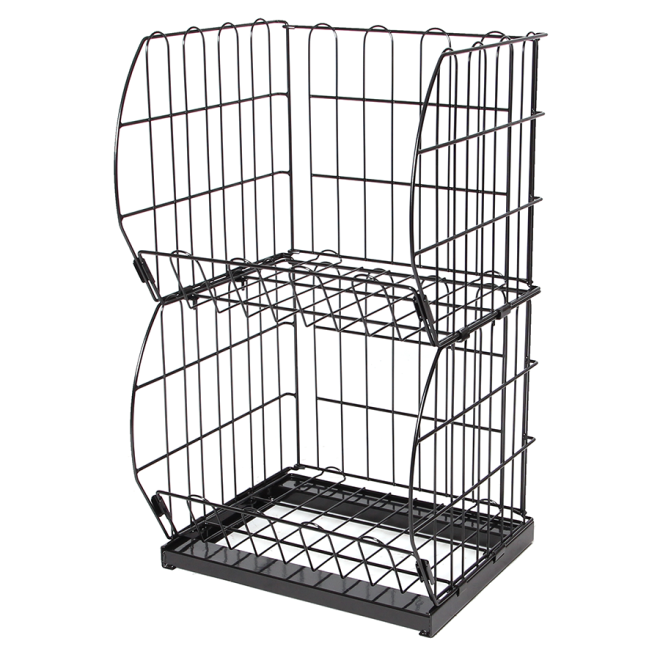
Introduction to supermarket shelves
In the expansive and ever-evolving landscape of retail, supermarket shelves play a pivotal role in ensuring a seamless shopping experience. These essential components are frequently referred to as supermarket shelves, and they serve various critical functions in grocery stores, retail outlets, and other shopping spaces. By displaying and storing a plethora of items in an organized, attractive, and accessible manner, supermarket shelves help retailers maximize sales and enhance customer satisfaction. This article delves into the intricacies of supermarket shelves, exploring their types, materials, design considerations, and future trends.
Types of Supermarket Shelves
● Gondola Shelving
Gondola shelving is among the most versatile and commonly used types of supermarket shelves. Characterized by a freestanding, double-sided structure, gondola shelves are typically placed in the center of retail spaces, allowing customers to access products from both sides. They are highly customizable, with adjustable shelves that can be configured to accommodate different product sizes and types. This flexibility makes gondola shelves suitable for various retail environments, from grocery stores to pharmacies.
● Wall-Mounted Shelves
Wall-mounted shelves, as the name suggests, are affixed directly to the walls of a retail space. These shelves are ideal for maximizing vertical space, especially in smaller stores where floor space is at a premium. Wall-mounted shelves are often used to display lightweight items such as beauty products, canned goods, and boxed foods. They provide a clean and organized look, enhancing the overall aesthetics of the store.
● Freestanding Display Units
Freestanding display units are standalone structures that can be placed anywhere within the retail space. These units are typically used for showcasing promotional items, seasonal products, or high-traffic goods. Freestanding display units come in various shapes and sizes, including circular, triangular, and rectangular configurations. They are designed to capture customer attention and drive impulse purchases.
Materials Used for Shelving
● Common Materials: Metal, Wood, and Plastic
The materials used in the construction of supermarket shelves significantly impact their durability, maintenance, and overall aesthetics. The most common materials are metal, wood, and plastic, each offering distinct advantages:
- Metal : Known for its strength and durability, metal shelving is ideal for heavy-duty applications. Metal shelves can support substantial weight and are resistant to wear and tear. They are often used in grocery stores to display bulk items, canned goods, and beverages.
- Wood : Wooden shelves provide a classic and warm aesthetic, making them suitable for specialty stores, boutiques, and upscale grocery sections. While not as strong as metal, wood offers a unique charm and can be customized with various finishes and stains.
- Plastic : Lightweight and easy to maintain, plastic shelves are versatile and cost-effective. They are resistant to corrosion and are ideal for displaying lighter products such as household items and personal care products.
● Durability and Maintenance Considerations
When selecting materials for supermarket shelves, it's crucial to consider both durability and maintenance. Metal shelves, while durable, may require regular cleaning to prevent rust. Wooden shelves need periodic polishing to maintain their appearance, and plastic shelves should be cleaned frequently to avoid staining. Retailers should choose materials that align with their maintenance capabilities and the store's overall aesthetic.
Designing Supermarket Shelves
● Determining Size and Shape
The design of supermarket shelves should start with determining the appropriate size and shape to fit the available space and the types of products to be displayed. Retailers must consider the dimensions of their store layout and plan their shelving design accordingly. The goal is to ensure that the shelves provide adequate storage and display options without overcrowding the space.
● Planning for Visual Appeal
A visually appealing design is crucial for attracting customers and encouraging purchases. Retailers should incorporate elements such as bright colors, attractive signage, and well-lit shelves to make products stand out. The design should be cohesive with the store's overall brand image and decor. A well-designed shelving system can enhance the shopping experience and drive sales.
Accessibility and Customer Convenience
● Shelf Height and Reachability
Ensuring that supermarket shelves are accessible to all customers is paramount. Shelves should be set at heights that allow customers to easily reach and view products. For instance, the top shelves should not be too high, while the bottom shelves should not require excessive bending to access. This consideration is especially important for accommodating children, elderly individuals, and people with disabilities.
● Accessibility for Different Customer Groups
Retailers must be mindful of the diverse needs of their customer base. This includes providing accessible options for people with disabilities, ensuring that aisles are wide enough for wheelchair users, and placing popular items within easy reach. Thoughtful shelf design can significantly improve the shopping experience for all customers.
Maximizing Space with Shelving
● Adjustable Shelves, Baskets, and Hooks
To make the most of available space, retailers should consider using adjustable shelves, baskets, and hooks. Adjustable shelves allow for flexibility in displaying various product sizes, while baskets and hooks can be used to organize smaller items or hang merchandise. This approach helps maximize storage capacity and keeps the store organized.
● Planning Layout for Efficient Space Use
Effective space planning is essential for creating an efficient and user-friendly shopping environment. Retailers should strategically place shelves to ensure smooth customer flow and easy navigation. This involves arranging shelves in a way that avoids congestion and allows customers to move freely through the store. The layout should also highlight high-margin and popular products.
Safety Features of Supermarket Shelves
● Stability and Anti-Tip Brackets
Safety is a critical consideration in shelf design. Shelves must be stable and secure to prevent accidents. Retailers should use anti-tip brackets to anchor freestanding units and ensure that all shelves are properly installed. A stable shelving system reduces the risk of tipping and protects both customers and merchandise.
● Avoiding Sharp Edges and Unstable Shelves
To enhance safety, shelves should be designed with smooth, rounded edges to prevent injuries. Unstable shelves should be avoided, and regular maintenance checks should be conducted to ensure that all shelving units remain secure. Prioritizing safety helps create a welcoming and hazard-free shopping environment.
Flexibility in Shelf Design
● Adapting to Changing Product Lines
In the dynamic world of retail, product lines can change frequently. Flexible shelf design allows retailers to adapt to these changes without significant disruptions. Modular shelving systems that can be easily reconfigured or expanded are ideal for accommodating new products and seasonal items.
● Reconfigurable and Expandable Designs
A reconfigurable and expandable shelving system provides long-term value by allowing retailers to adjust their layout as needed. This flexibility supports business growth and helps retailers stay agile in response to market trends. Investing in adaptable shelving solutions ensures that the store can evolve alongside its product offerings.
Specialized Shelving Units
● End-Cap Displays
End-cap displays are specialized shelving units placed at the ends of aisles. They are prime real estate for promoting high-margin items or new products. End-caps are designed to capture customer attention as they navigate the store, making them an effective tool for driving impulse purchases.
● Cooler and Freezer Shelving
Cooler and freezer shelving units are essential for displaying perishable goods such as dairy, meat, and frozen foods. These shelves are designed to withstand low temperatures and provide optimal visibility for refrigerated products. Proper cooler and freezer shelving ensures that perishable items remain fresh and accessible to customers.
Future Trends in Supermarket Shelving
● Innovations in Materials and Design
The future of supermarket shelving is likely to be shaped by innovations in materials and design. Advances in sustainable materials, such as recycled plastics and eco-friendly metals, are gaining traction. Additionally, innovative designs that enhance functionality and aesthetics will continue to emerge, offering retailers new ways to display products effectively.
● Technology Integration for Enhanced Shopping Experience
Technology integration is another trend poised to transform supermarket shelving. Smart shelves equipped with sensors and digital displays can provide real-time product information, track inventory levels, and offer personalized recommendations to customers. These technological advancements aim to create a more interactive and efficient shopping experience.
---
At Formost Plastics & Metalworks (Jiaxing) Co., Ltd., established in 1992, we bring over 30 years of experience in designing and manufacturing retail displays, storage racks, and other fixtures made of metal, plastic, or wood. Our factory, located in Jiaxing, covers 7000 square meters and employs more than 70 skilled workers. We pride ourselves on our ISO9001 and SEDEX certifications, reflecting our commitment to quality and international standards. With advanced equipment, including CNC cutting and bending machines, we ensure efficient production processes and superior products. For reliable supermarket shelf solutions, choose Formost.
