


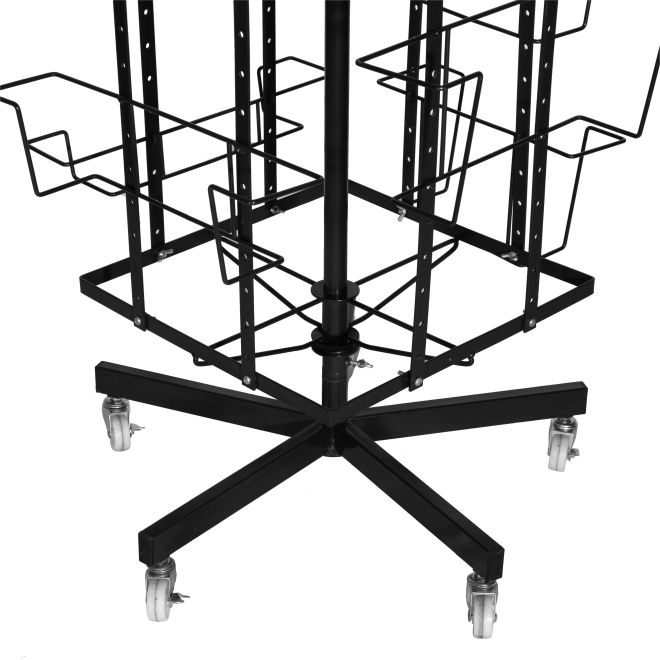
Your hanging basket shelf is stunning until you wonder if one more plant will turn it into a gravity experiment. No one wants a surprise crash landing, especially when soil showers and broken pots are involved.
This guide explains exactly how much weight your hanging basket shelf can handle and how to hang it safely, using simple rules and proven load data from building research reports like InterNACHI’s structural load guide.
🧺 Understanding Shelf Load Capacity: Key Terms, Ratings, and Weight Limits
Knowing how much weight your hanging basket shelf can hold helps you avoid bending, sagging, or sudden failure. Clear limits protect products, customers, and staff.
Always read the manufacturer’s label and test loads slowly. In retail spaces, combine hanging baskets with stable floor displays like the 7-Layer Wire Shelf Display – Freestanding Beverage Display Stand for Supermarket and Mall to spread weight safely.
1. Key Load Terms You Should Know
Basic terms make weight ratings easier to understand and compare between brands.
- Safe working load (SWL): Maximum recommended everyday weight.
- Maximum load: Absolute limit before damage risk rises fast.
- Uniform load: Weight spread evenly across the basket.
- Point load: Heavy items resting on a small area or single hook.
2. Static vs. Dynamic Loads
Hanging shelves behave differently under steady and moving loads.
- Static: Shelves holding still products, like cans or boxes.
- Dynamic: Movement from customers, stocking, or cleaning.
- Add a safety margin of 25–40% for busy retail traffic.
3. Reading Manufacturer Weight Ratings
Labels give tested limits, but you must apply them to real conditions.
| Label | Meaning | Action |
|---|---|---|
| Per basket | Limit for a single shelf only | Do not add across multiple hooks |
| Per system | Total for whole unit | Divide by number of baskets |
| Evenly distributed | Assumes no heavy point loads | Spread items edge to edge |
4. Common Weight Limits by Use Case
Actual numbers vary, but these ranges help quick planning.
- Light retail samples: 3–5 kg per basket.
- Packaged foods or cosmetics: 5–10 kg per basket.
- Heavy bottles or hardware: 8–15 kg per basket with strong anchors.
⚖️ Factors Affecting Hanging Basket Strength: Materials, Mounting, and Environment
Basket material, wall type, and surrounding conditions all change real load capacity. You must match hardware and fasteners to the surface and product weight.
In high‑traffic stores, combine hanging baskets with floor units like the Supermarket Shelving Unit 5-Tier Metal Wire Display Rack to reduce stress on any single point.
1. Basket and Hook Materials
Different materials react to weight, moisture, and wear in different ways.
| Material | Strength | Best Use |
|---|---|---|
| Steel wire | High | Drinks, cans, bulk items |
| Plastic | Medium | Light goods, brochures |
| Aluminum | Medium–high | Moist areas, lighter stock |
2. Mounting Surface and Anchors
The wall or ceiling often fails before the basket does, so anchor choice is critical.
- Use heavy‑duty anchors for drywall and hollow walls.
- Fix directly into concrete or brick with masonry anchors.
- Check for hidden pipes or cables before drilling.
3. Environmental Conditions
Heat, moisture, and corrosion weaken baskets and fixings over time.
- In humid zones, pick coated or stainless hardware.
- Avoid overloading near doors or air vents where sway increases.
- Inspect rust spots and cracks every few weeks.
4. Data Snapshot: How Capacity Drops with Poor Conditions
The chart below shows an example of how moisture and poor anchors can reduce effective load capacity.
🧩 How to Calculate Safe Load for Your Hanging Basket Shelf
Use simple steps to work out a safe working load, then add a safety factor to protect people and stock.
1. Start from the Manufacturer Rating
Begin with the rated capacity and then adjust for your real setup.
- Find the per‑basket rating in kilograms.
- Confirm it assumes even load and proper anchors.
- Reduce by 10–20% for crowded store conditions.
2. Apply a Safety Factor
A safety factor protects against unknowns like customer handling or stock changes.
| Environment | Recommended Safety Factor |
|---|---|
| Calm, staff‑only | 1.25× |
| Standard retail | 1.5× |
| Very busy, self‑service | 2× |
3. Check Total System Load
Look at the full run of baskets, not just single units.
- Add the weight of all baskets and contents.
- Compare with the rating of the rail, beam, or ceiling track.
- Do not exceed the lowest rated part of the system.
🔧 Installation and Maintenance Tips for Long-Lasting, Secure Hanging Shelves
Correct installation and routine checks keep your hanging basket shelves safe and stable for years of heavy daily use.
1. Follow a Simple Installation Checklist
Plan each mounting point before drilling to avoid mistakes.
- Mark stud or anchor locations with a level.
- Use the correct drill bit for the wall type.
- Tighten all screws, then test with a light trial load.
2. Daily and Weekly Safety Checks
Short, regular inspections prevent small issues from becoming failures.
| Frequency | What to Check |
|---|---|
| Daily | Visible tilt, loose hooks, overloaded baskets |
| Weekly | Screw tightness, rust, cracked plastic |
| Monthly | Wall damage, anchor movement, capacity labels |
3. Smart Product Placement
Where you place heavy items affects both safety and sales.
- Keep the heaviest items on lower baskets or floor racks.
- Use hanging baskets for lighter, quick‑grab products.
- Support campaigns with floor stands like the Vertical Multi-layer Catalog Rack – Multi Grid Magazine Newspaper Brochure Display Rack for Household and Mall Use.
✅ Why Formost Plastics Hanging Basket Shelves Are a Safe, Reliable Choice
Formost focuses on tested load ratings, stable structures, and user‑friendly designs, helping retailers build safe, flexible hanging display systems.
1. Tested Load Capacity and Durable Materials
Each basket style uses quality materials and goes through strict testing.
- Engineered for repeated loading and restocking.
- Coated surfaces resist rust in busy store environments.
- Stable hooks and rails reduce sway and twisting.
2. Flexible Configurations for Different Stores
Systems work alone or with floor and wall displays.
- Mix hanging baskets with wire racks and catalog stands.
- Adjust layout quickly for new products or seasons.
- Use common parts to simplify spare stock and repairs.
3. Support for Safe Planning and Use
Clear guidance helps staff avoid overload and misuse.
| Support | Benefit |
|---|---|
| Load labels | Quick decisions during restocking |
| Installation advice | Better anchor and wall choices |
| Configurable systems | Match layout to product weight |
Conclusion
Safe hanging basket shelves depend on clear load ratings, strong mounting, and regular checks. Always respect the lowest rated part of the system.
Plan layouts so heavy items sit on stable racks while lighter goods hang within reach. This balance protects customers, boosts sales, and extends shelf life.
Frequently Asked Questions about hanging basket shelf
1. How much weight can a typical hanging basket shelf hold?
Most commercial hanging baskets safely hold 5–15 kg, depending on material, anchors, and wall type. Always follow the manufacturer rating and add a safety margin.
2. Can I mount hanging baskets on drywall?
Yes, but only with suitable drywall anchors or by fixing into studs. Never rely on basic screws alone, especially for heavy or high‑traffic displays.
3. How often should I inspect my hanging basket shelves?
Do a quick daily visual check and a deeper inspection at least once a month. Tighten loose screws and replace any rusted or cracked parts.
4. What items are best suited for hanging basket shelves?
Light to medium‑weight goods such as packaged snacks, small bottles, cosmetics, and brochures work best. Keep very heavy items on floor or lower fixed shelves.
5. How can I prevent customers from overloading the baskets?
Use clear capacity labels, train staff to monitor displays, and plan merchandising so heavy or bulky items stay on stable, ground‑level racks.