


Your postcards survive airport baggage carousels, coffee spills, and bad weather—but their display rack wobbles like jelly and rusts faster than a forgotten bike, leaving your “premium souvenirs” looking more like a clearance bin experiment.
Choose durable materials like powder-coated steel or acrylic to keep racks sturdy, rust-resistant, and professional-looking; according to durability findings in retail fixtures research by the National Institute of Standards and Technology, high-quality finishes and materials greatly extend product lifespan.
📌 Metal wire racks: balancing strength, visibility, and long-term stability
Metal wire postcard racks offer high strength, open visibility, and long service life. They handle heavy traffic in stores, hotels, and tourist spots with minimal wear.
Powder-coated finishes protect against rust and scratches, while slim wire lines keep postcard artwork clear and easy to browse from any angle.
1. Core benefits of metal wire postcard racks
Metal wire delivers strong support, slim lines, and good airflow. This helps postcards stay flat, clean, and easy to see for long display periods.
- High load capacity for thick card stock
- Slim structure saves valuable floor space
- Open sides improve visibility and access
2. Surface treatments that resist rust and wear
Choose racks with powder coating or chrome plating to resist rust, chips, and corrosion, especially in coastal or humid tourist locations.
| Finish | Key Advantage |
|---|---|
| Powder coat | Strong color, chip resistant |
| Chrome | Sleek look, easy to clean |
3. Stability, safety, and heavy-duty options
Weighted bases, cross braces, and locking casters help prevent tipping. For very heavy stock, consider designs similar to a Heavy Duty Tile Display Shelf 5-Tier – Quartz Marble Tower Rack.
4. Versatile layouts for retail and galleries
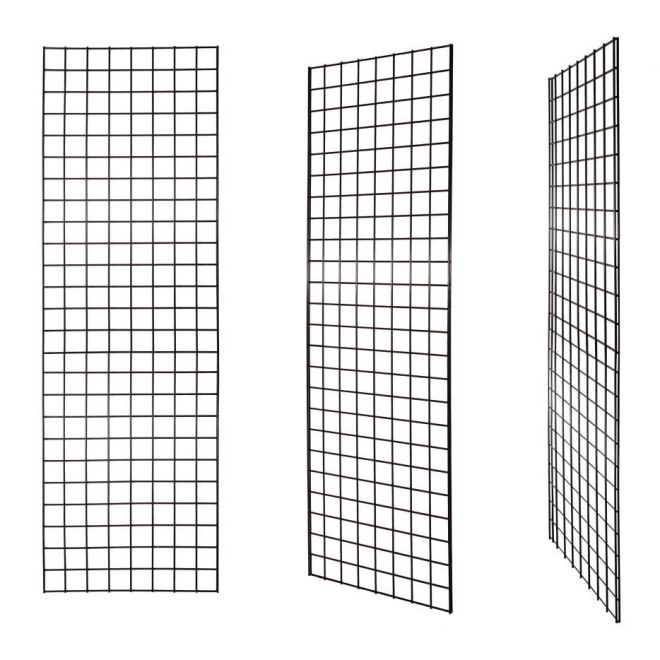
Metal racks work as wall panels, counters, or floor spinners. Gridwall systems like a Heavy Duty Gridwall Panel – Retail Trade Show Wire Rack let you add hooks, shelves, and postcard pockets as layouts change.
📌 Acrylic postcard stands: clarity, scratch resistance, and lightweight durability
Acrylic postcard stands give a glass-like look without the weight or breakability. Clear pockets highlight print colors and make small details easy to see.
Modern acrylic blends improve scratch resistance, making them a solid choice for counters, museums, and reception areas.
1. Visual impact and product focus
Crystal-clear acrylic lets postcard designs take center stage. Edges can be polished for a premium look that suits galleries and upscale retail spaces.
- High light transmission
- Neat, modern style
- Good for branded collections
2. Scratch resistance and cleaning
Use soft cloths and non-abrasive cleaners to keep acrylic clear. Higher-grade sheets reduce fine scratches from daily use and frequent card changes.
3. Weight, portability, and modular builds
Acrylic is lighter than glass and many metals, so staff can move displays easily. Modular pockets can stack or link to match new postcard lines.
4. Data-backed comparison of material performance
The following bar chart compares typical ratings (1–10) for postcard rack materials. Values are approximate, based on common retail needs.
📌 Wood display racks: natural aesthetics, protective finishes, and structural integrity
Wood postcard racks add warmth and texture, ideal for boutiques, museums, and gift shops that value a natural, crafted look.
With the right finish, wood can handle daily use while keeping postcards aligned and easy to browse.
1. Matching wood tone to brand and space
Light woods feel modern and airy, while darker stains give a classic, heritage feel that suits historical venues and artisan postcard lines.
- Birch or maple for bright spaces
- Walnut or oak for premium displays
2. Finishes that protect against wear
Clear sealers, UV-resistant topcoats, and rounded edges protect both the rack and postcard corners from scuffs and fading over time.
3. Structural design for steady support
Thicker shelves, tight joinery, and bracing keep wooden racks steady. Wall-mounted designs free floor space without losing card capacity.
📌 Hybrid constructions: combining metal frames with acrylic pockets for durability
Hybrid racks use metal frames for strength and acrylic pockets for clarity, giving long life and sharp presentation in one design.
This mix works well in busy stores that still want a clean, modern postcard wall or tower.
1. Why hybrid racks last longer
The metal frame absorbs stress and impacts, while acrylic pockets keep cards visible and easy to load without bending or warping.
2. Design flexibility for changing postcard lines
Manufacturers can adjust pocket size, count, and layout on the same frame. Stores can refresh collections without replacing the whole rack.
| Feature | Benefit |
|---|---|
| Swappable pockets | Fast layout changes |
| Frame add-ons | Hooks, headers, branding |
3. Ideal use cases for hybrid racks
Hybrid racks shine in tourist hubs, airports, and malls, where traffic is heavy and postcard lines change with seasons and events.
📌 Choosing materials with Formost Plastics for reliable, long-lasting postcard displays
Partnering with an experienced rack maker helps you match material choices to store layout, postcard size, and traffic level.
Formost Plastics offers custom postcard solutions, from single-counter stands to complex rotating units.
1. Matching rack type to your space
Use compact counter stands for checkout areas, wall systems for tight aisles, and floor towers where you need a strong visual focal point.
2. Considering rotation, access, and browsing speed
Spinner towers like a Spinner Display Rack – 360 Rotating Retail Stand for Supermarket and Mall Use help shoppers scan more designs quickly without blocking walkways.
3. Planning for future lines and expansion
Choose modular or grid-based systems so new postcard themes, sizes, or branded sections can be added without major fixture changes.
Conclusion
Metal, acrylic, wood, and hybrid postcard racks each offer specific strengths. The right choice depends on traffic, branding, and space limits.
By working with a specialist like Formost Plastics, you can balance durability, style, and cost while keeping postcard collections easy to see and buy.
Frequently Asked Questions about postcard display rack
1. Which material is best for high-traffic postcard displays?
Metal wire or hybrid metal–acrylic racks work best in high-traffic areas. They handle weight well, resist damage, and keep postcards stable and easy to reach.
2. Are acrylic postcard stands easy to maintain?
Yes. Clean acrylic with a soft cloth and mild soap. Avoid rough pads or harsh chemicals, which can cause scratches or clouding over time.
3. When should I choose wood postcard racks?
Choose wood when you want a warm, crafted look, such as in museums, galleries, or artisan shops. Use sealed finishes to protect against wear.
4. What size postcard rack do I need?
Measure your postcard formats and count, then allow extra space for new lines. Consider shopper flow, aisle width, and reach height when sizing racks.
5. Can postcard racks be customized for my brand?
Yes. Many makers offer custom colors, headers, logo panels, and pocket layouts. Hybrid and metal systems often provide the most flexible branding options.