


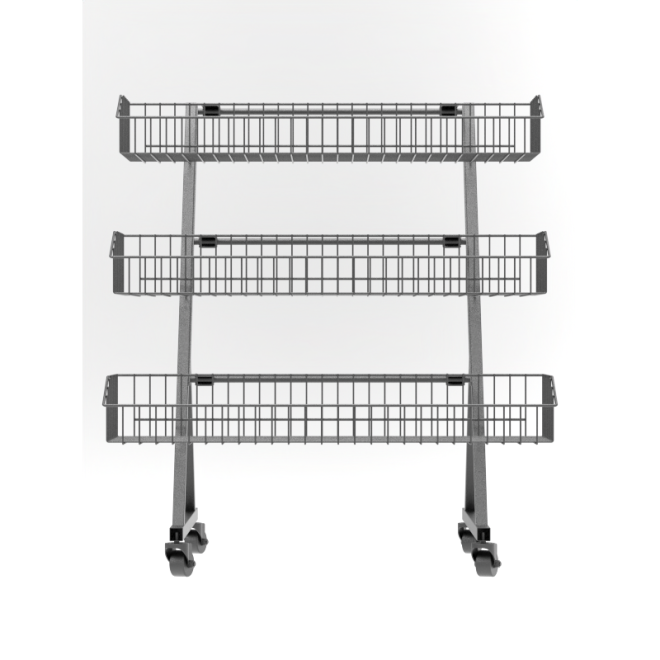
Choosing a rotating display rack supplier feels like speed‑dating with metal stands—everyone promises “sturdy and stylish,” but you’re scared of ending up with a wobbly eyesore that scares off customers (and maybe violates gravity).
This guide shows you how to check quality, certificates, and factory strength, so you avoid duds and find reliable partners; research backs this approach, as seen in this McKinsey supply chain report.
📌 Key Criteria for Evaluating Rotating Display Rack Suppliers and Factories
Choosing the right rotating display rack supplier affects product visibility, store space, and long-term costs. Compare experience, engineering strength, and sample quality before signing any contract.
Check if the factory understands your market, offers stable lead times, and can support other fixtures like Plant Stand – Plant Pot Hanging Storage Rack for Home Use.
1. Industry Experience and Case Studies
Ask for real store projects, photos, and client lists. Reliable rotating rack factories can show long-term retail, supermarket, and brand cooperation cases.
- Years in display rack production
- Main export markets and standards
- Ability to supply small and large batches
2. Design, Sampling, and Engineering Support
Evaluate if the supplier has in-house designers, 3D drawing service, and quick prototype support for racks, baskets, and accessories.
| Service | Why It Matters |
|---|---|
| 3D drawing | Reduces design errors |
| Sample lead time | Speeds project launch |
| Revision rounds | Improves fit with brand |
3. Production Capacity and Lead Time
Check real monthly output, machine lists, and peak-season lead times to avoid stockouts or delayed rollouts.
- Automated cutting and bending lines
- Assembly and packing efficiency
- Rush-order solutions
4. Price Transparency and Total Cost
Compare not only unit price, but coating quality, hardware, and after-sales support, including other fixtures like the 15 Inch Four Legged Chair Mesh Basket – Home Entryway Storage Basket for Household and Mall Use.
| Item | Hidden Cost Risk |
|---|---|
| Poor coating | Rust, repainting |
| Weak base | Replacement and claims |
🧩 Comparing Materials, Craftsmanship, and Durability in Rotating Display Racks
Material choice, welding quality, and coating finish directly affect rack safety and service life. Ask for clear specs and testing reports before bulk orders.
Use simple benchmarks: thickness, weight load, rotation smoothness, and scratch resistance of the surface.
1. Steel, Wire, and Plastic Material Options
Request exact steel grade, wire diameter, and plastic type. This helps you compare offers from different factories on a fair, technical basis.
- Cold-rolled steel vs mild steel
- Wire thickness by millimeter
- ABS or PP accessory parts
2. Craftsmanship: Welding, Joints, and Surface Finish
Inspect samples closely. Look for clean welds, stable joints, and even powder coating without bubbles or sharp edges.
| Check Area | What to Look For |
|---|---|
| Welds | No cracks or holes |
| Edges | No burrs, safe touch |
| Coating | Even color, no peeling |
3. Durability Testing and Load Standards
Ask how the factory tests racks. Simple, clear tests show if the rotating rack will last in busy stores.
4. Matching Materials to Product Type
Select structures and finishes based on product weight and size, for example for electronics shown on a Battery Display Rack with Sign Holder – Retail Shelf Topper Stand.
- Heavy items: thicker steel, stronger base
- Light items: lighter wire, smaller hooks
- Wet areas: anti-rust coating
🛠️ Customization Options and Design Support from Formost Plastics
Formost Plastics offers custom rotating rack solutions that match brand image, store layout, and fixture families for retail, showroom, and trade use.
The team supports concept, drawing, sampling, and mass production under one roof.
1. Brand and Visual Customization
Customize color, logos, and header signs so every rotating rack works as a clear, strong brand touchpoint in-store.
- Pantone color matching
- Printed or sticker logos
- Interchangeable sign holders
2. Size, Tier, and Hook Layout Options
Adjust height, number of tiers, basket style, and hook spacing to fit different products and planogram needs.
| Option | Benefit |
|---|---|
| Tier count | More or less facing space |
| Hook length | Better product reach |
| Base width | Improved stability |
3. Prototyping and Engineering Advice
Formost Plastics can fine-tune structures, recommend materials, and create prototypes that balance cost, stability, and display effect.
- 3D files for review
- Strength and wobble checks
- Quick sample confirmation
📦 Quality Control, Packaging Standards, and After-Sales Service Assessment
Strong quality control and smart packaging protect your investment in rotating display racks from factory to store.
Review inspection steps, packaging methods, and support after delivery.
1. In-Process and Final Quality Inspections
Confirm that the supplier checks each step, from raw material to finished rotating rack and accessories.
- Incoming material checks
- Size and load tests
- Final visual inspection
2. Packaging Design and Drop Protection
Good packaging reduces scratches and deformation. Ask for carton tests and clear labels for easy store receiving.
| Packaging Feature | Purpose |
|---|---|
| Foam or bags | Protect coating |
| Corner guards | Prevent impact damage |
| Assembly guides | Faster setup |
3. After-Sales Policies and Spare Parts
Clarify warranty terms, spare-part support, and response time when any rack arrives damaged or needs adjustment.
- Replacement policy for defects
- Spare hooks and caps
- Photo and video support
🌍 Environmental Responsibility and Compliance Certifications in Rack Manufacturing Practices
More retailers now require eco-friendly racks that follow global safety rules. Ask suppliers how they manage materials and waste.
Check if they hold valid certifications and can offer related documents for audits.
1. Use of Eco-Friendly and Recyclable Materials
Prefer recyclable metals and safe coatings with low emissions. This helps reduce the environmental impact of display programs.
- Recyclable steel and plastics
- Low-VOC powder coating
- Reduced packaging waste
2. Factory Environmental Management Systems
Ask if the factory follows structured environmental practices, such as energy saving and waste recycling programs.
| Practice | Benefit |
|---|---|
| Energy monitoring | Lower carbon output |
| Waste sorting | Higher recycling rate |
| Water treatment | Cleaner discharge |
3. Compliance and Product Safety Certifications
Confirm certifications like ISO management systems, RoHS, or REACH where needed, especially for large retail chains and global brands.
- Valid, up-to-date certificates
- Test reports for coating and parts
- Support for retailer audits
Conclusion
When choosing rotating display rack suppliers, focus on proven experience, engineering, and strong quality systems. Check real samples, not only price sheets.
Clear specs, eco standards, and reliable after-sales support let your racks work longer, display better, and protect your brand image in every store.
Frequently Asked Questions about rotating display rack
1. What products work best on rotating display racks?
Rotating racks work well for small, light items such as accessories, snacks, phone goods, beauty products, and packaged tools that shoppers pick up easily.
2. How do I choose the right size of rotating rack?
Measure floor space, ceiling height, and aisle width. Leave space for rotation and traffic, then select height, tier count, and hook length accordingly.
3. How much weight can a rotating display rack hold?
Load capacity depends on material, structure, and base design. Always follow the supplier’s rated load per tier and total rack limit.
4. Can rotating racks be flat-packed for shipping?
Most quality suppliers design racks to ship flat-packed, with simple assembly. This cuts freight costs and makes store rollout easier.
5. How do I maintain a rotating display rack?
Keep the base clean, check screws and nuts, and oil the rotation joint if needed. Wipe surfaces with a soft cloth to protect coating.