


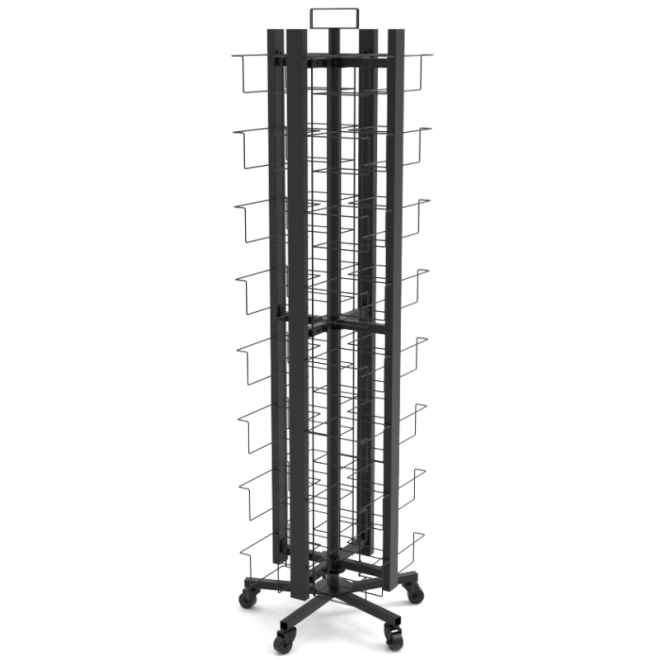
Your jewelry displays wobble like jelly, clash with your brand, and somehow still scratch the “good” necklaces—turning your showcase into a chaotic yard sale instead of a sparkling money-maker.
This white paper compares rack materials, durability, and finishes so you can match budget, style, and safety—backed by data from an independent jewelry market report.
1. 💎 Current Mainstream Materials Used in Jewelry Display Racks
Today’s jewelry display racks mainly use acrylic, metal, wood, and composite structures. Each material affects visual impact, durability, and cost in different ways.
Retail brands choose materials based on product value, store style, and maintenance needs, aiming for both strong sales performance and long-term stability.
1.1 Acrylic Display Racks
Acrylic offers high transparency and a glass-like look with lower weight and cost. It highlights gemstones and metals without visual noise.
- Clear and glossy surfaces
- Easy to shape for custom forms
- Moderate impact resistance
1.2 Metal Display Racks
Metal racks support heavy jewelry and keep shape over time. They suit premium counters and busy retail environments.
- Strong load-bearing capacity
- Good for slim, stable structures
- Works well with powder coating
1.3 Wooden Display Racks
Wood brings warm texture and a natural feel. It pairs well with artisan, vintage, or luxury jewelry lines.
| Type | Look |
|---|---|
| Solid wood | High-end, rich grain |
| Veneer/MDF | Cost-effective, stable color |
1.4 Composite and Hybrid Structures
Composites mix acrylic, metal, and wood to balance strength, cost, and design freedom. They enable unique, brand-specific display concepts.
- Acrylic + metal for luxury clarity and strength
- Wood + metal for warm yet industrial style
2. 🧪 Comparative Analysis: Acrylic, Metal, Wood, and Composite Structures
Material selection impacts cost, life span, and user experience. Comparing acrylic, metal, wood, and composites helps designers set clear material strategies.
Below is a simple performance comparison overview for mainstream jewelry display rack materials.
2.1 Cost and Value Balance
Metal and composite racks often deliver higher long-term value, while acrylic and engineered wood control the initial investment for seasonal displays.
| Material | Initial Cost | Service Life |
|---|---|---|
| Acrylic | Low–Medium | Medium |
| Metal | Medium | Long |
| Wood | Medium | Medium |
| Composite | Medium–High | Long |
2.2 Visual Transparency and Brand Image
Acrylic offers top transparency, ideal for bright counters. Metal and wood add structure and texture, matching modern or classic brand styles.
- Acrylic: best for light, minimal branding
- Metal: sharp lines and modern feel
- Wood: warm, crafted image
2.3 Maintenance, Cleaning, and Upkeep
Metal surfaces clean easily and resist wear. Acrylic needs soft cloth cleaning to avoid scratches, while wood needs regular care in humid areas.
2.4 User Experience and Modular Flexibility
Composite systems with metal frames support modular hooks, trays, and cards, improving merchandising flexibility and daily shop operation.
3. 🛡️ Material Durability, Colorfastness, and Anti-Scratch Performance Standards
Professional jewelry display racks follow clear standards for durability, colorfastness, and scratch resistance to stay attractive under strong lighting and heavy use.
3.1 Durability and Structural Safety
Metal grids and reinforced acrylic meet bending and impact tests. This ensures safe support for heavy pieces and stable, long-term use in stores.
- Load tests on shelves and hooks
- Impact tests for edges and corners
3.2 Colorfastness and UV Stability
Powder-coated metal and UV-stable acrylic resist fading. This keeps branding colors stable under spotlights and natural light near windows.
| Material | Fade Resistance |
|---|---|
| UV acrylic | High |
| Powder-coated steel | High |
| Standard wood stain | Medium |
3.3 Anti-Scratch and Surface Protection
Hard-coated acrylic and textured metals reduce visible marks. Shops maintain clear, clean surfaces even with frequent product changes.
- Optional hard-coat films on acrylic
- Fine textures on metal to hide wear
4. 🌱 Sustainable and Recyclable Materials in Modern Jewelry Display Racks
Retailers now favor recyclable metals, certified wood, and reusable composite systems to reduce waste and support long-term sustainability goals.
4.1 Recyclable Metals and Reuse
Steel and aluminum frames recycle easily. Brands can re-coat and reconfigure structures for new collections instead of discarding entire units.
- High recycling rate of steel
- Repainting extends system life
4.2 Responsible Wood and Low-VOC Finishes
Certified wood and water-based coatings cut emissions and support eco branding. Natural grains also strengthen “green” visual storytelling.
| Choice | Benefit |
|---|---|
| Certified wood | Traceable sourcing |
| Low-VOC paint | Healthier indoor air |
4.3 Modular Design and Life-Cycle Planning
Modular racks allow easy part replacement and layout changes, reducing full-system scrap and total life-cycle cost for chain retailers.
5. 🏭 Why Professional Projects Prefer Formost Plastics for Custom Rack Materials
Formost Plastics integrates design, tooling, and mass production, giving retail brands stable quality and flexible solutions for multi-store jewelry display projects.
5.1 Deep Experience in Retail Display Systems
Formost supports complete display programs, from small cases to gridwall systems like the Heavy Duty Gridwall Panel – Retail Trade Show Wire Rack.
- Consistent quality across large rollouts
- Adaptation to local store standards
5.2 Diverse Material and Process Capabilities
The company combines acrylic, metal, and composite processes to deliver custom fixtures and related solutions such as the Durable Magazine & Brochure Stand.
5.3 Flexible Customization and Global Support
Formost offers design optimization, packaging, and logistics services, and also supplies multi-purpose units like the 48-Pocket Floor Standing Greeting Card Display Rack.
Conclusion
Choosing the right jewelry display rack material means balancing appearance, durability, and environmental impact. Acrylic, metal, wood, and composites each serve different sales and branding goals.
By partnering with a specialist manufacturer, brands can secure long-lasting, sustainable, and consistent fixtures that enhance jewelry value and support scalable retail growth.
Frequently Asked Questions about jewelry display rack
1. Which material is best for high-end jewelry?
For high-end pieces, a mix of metal structure and acrylic or velvet-lined inserts works well. It gives strong support and a clean, premium visual effect.
2. How long can a metal jewelry display rack last?
With quality welding and powder coating, a metal rack can last many years, even in busy stores, as long as staff clean and handle it correctly.
3. Are acrylic racks easy to scratch?
Standard acrylic scratches more easily than metal, but using hard-coated acrylic and soft cloth cleaning reduces marks and keeps the surfaces clear.
4. How can I make my display system more sustainable?
Choose recyclable metals, certified wood, low-VOC finishes, and modular designs that allow parts to be replaced rather than discarding whole racks.
5. Can one rack type fit different jewelry collections?
Yes. Modular metal or composite systems with changeable hooks, shelves, and trays let you adapt layouts for rings, necklaces, or gift sets easily.