


You finally bought new servers, but now they’re sitting on your desk like lost luggage—do you mount them on the wall, stack them on the floor, or just pretend “organized chaos” is an actual IT strategy?
You solve this by matching your space, weight needs, and cable paths to either wall-mounted or floor racks, following trusted standards like NIST’s guidance on securing racks and cabling to keep everything safe and tidy.
📌 Space Efficiency: When Wall Mounted Racks Outperform Floor Racks
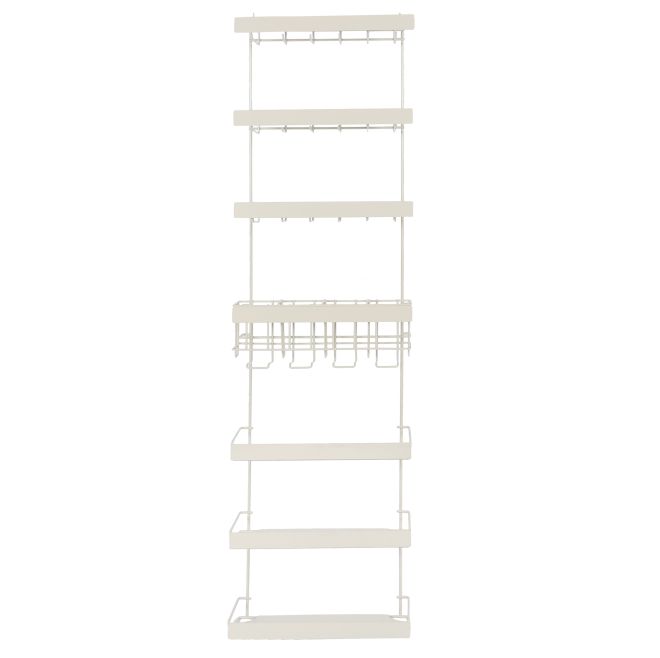
Wall mounted racks free valuable floor space and create a cleaner, more open store layout. They help guide traffic flow and highlight key products at eye level.
In tight rooms or narrow aisles, wall systems often allow more stock per square meter than bulky floor racks, improving both storage and visual appeal.
1. Maximizing Vertical Wall Space
Wall racks stack products upward, not outward. This works well for shoes, folded clothes, and light boxes.
- Ideal for slim aisles and corners
- Keeps cleaning paths clear
- Pairs well with a Hanging Shoe Display Rack for Boots | Metal Retail Store Stand to showcase tall boots
2. Floor Space and Customer Flow
Floor racks can crowd walkways when planned poorly. Wall systems open up the center of the store.
- More room for carts and strollers
- Cleaner sightlines to key zones
- Better emergency access
3. Small Store and Pop-Up Layouts
Wall mounted racks suit small shops that must change layouts often. You can add or remove shelves without moving heavy bases.
4. Visual Merchandising and Brand Image
Wall racks create a neat, gallery-style look that fits premium brands. Floor racks add capacity but can feel crowded if overused.
📌 Weight Capacity and Stability: Choosing the Safest Rack Design
Wall mounted racks rely on strong anchors and solid walls. Floor racks depend on frame strength and base design to handle higher loads safely.
Plan capacity by product weight, traffic levels, and safety codes. Always follow rated loads and train staff to stock evenly.
1. Typical Load Ratings: Wall vs. Floor
Floor racks usually hold more weight, especially for boxed stock or dense garments. Wall systems suit light to medium loads.
| Rack Type | Typical Load per Section |
|---|---|
| Light Wall Rack | 40–60 kg |
| Heavy Wall Rack | 80–100 kg |
| Standard Floor Rack | 120–150 kg |
| Heavy Duty Floor Rack | 180–220 kg |
2. Stability and Tip-Over Risks
Floor racks with wide bases resist tipping better, especially when customers pull on garments.
- Use levelers on uneven floors
- Secure tall units to walls if possible
- Avoid top-heavy stocking
3. Heavy Garments and Long-Term Loads
Use a Heavy Duty Double Rod Garment Rack | Stainless Steel Clothing Display for dense coats or formal wear. Its double rod design spreads weight and resists bending.
4. Safety Checks and Maintenance
Inspect bolts, brackets, and welds often. Train staff to report wobble, damaged feet, or loose anchors before accidents happen.
📌 Installation Requirements: Tools, Wall Types, and Floor Conditions Compared
Wall mounted racks need strong walls and proper anchors. Floor racks demand level ground and enough clearance around each base.
1. Wall Types and Anchoring Choices
Match anchors to wall material so wall racks stay secure.
| Wall Type | Recommended Anchor |
|---|---|
| Concrete / Brick | Expansion anchors |
| Drywall with studs | Lag screws into studs |
| Drywall only | Heavy duty toggle bolts |
2. Floor Conditions and Load Paths
Floor racks need stable, even surfaces. On soft floors, spread weight with wider bases or plates to avoid dents.
3. Tools, Time, and Labor
Wall racks often require drills, levels, and at least two workers. Floor racks usually assemble faster with basic hand tools.
📌 Accessibility and Ergonomics: Daily Use Differences Between Wall and Floor Racks
Good racks reduce strain for staff and make browsing easy for customers. Height, reach, and spacing all matter.
1. Reach Zones for Staff and Shoppers
Keep most products between hip and eye level to reduce bending and stretching.
- Core stock: 80–160 cm from floor
- Slow movers: high shelves
- Bulk stock: lower sections
2. Aisle Width and Turning Space
Floor racks set aisle width. Leave enough room for two people to pass and for staff to roll carts safely.
3. Special Needs and Safe Access
Wall racks with clear floors help wheelchair users. Avoid low trip hazards and keep hanging parts out of head height zones.
📌 Best Uses for Each Type and Why Formost Plastics Excels
Wall mounted and floor racks each shine in different roles. The best retail layout uses both in a balanced way.
1. Best Uses for Wall Mounted Racks
Use wall racks for light to medium goods where display and branding matter most.
- Feature walls for new lines
- Shoe and bag displays with clean sightlines
- Compact stores and narrow sections
2. Best Uses for Floor Racks
Floor racks shine for flexible layouts and high capacity storage.
- Center-of-store garment runs
- Temporary promotions and seasonal zones
- Grocery and fresh areas with a 2-Tier Wire Display Rack for Grocery Produce
3. Why Formost Plastics Stands Out
Formost Plastics offers tested designs, solid materials, and modular parts. This helps you build safe, flexible rack systems that grow with your store.
Conclusion
Wall mounted racks save floor space and add a clean, modern look. Floor racks deliver strength, mobility, and high capacity for daily use.
By matching load, layout, and safety needs, you can blend both styles. Formost Plastics solutions help you create a stable, attractive retail rack system.
Frequently Asked Questions about retail clothing rack
1. Are wall mounted racks strong enough for heavy clothing?
Yes, if you anchor them into solid studs or concrete and follow rated loads. For very heavy coats, combine wall racks with heavy duty floor units.
2. How wide should aisles be between floor racks?
Aim for at least 90 cm in low traffic areas and 120 cm or more in busy zones. Wider aisles improve comfort and reduce damage.
3. Can I move wall racks as often as floor racks?
Wall racks are less flexible because they need new drill points. Floor racks move faster, so they work better for frequent layout changes.