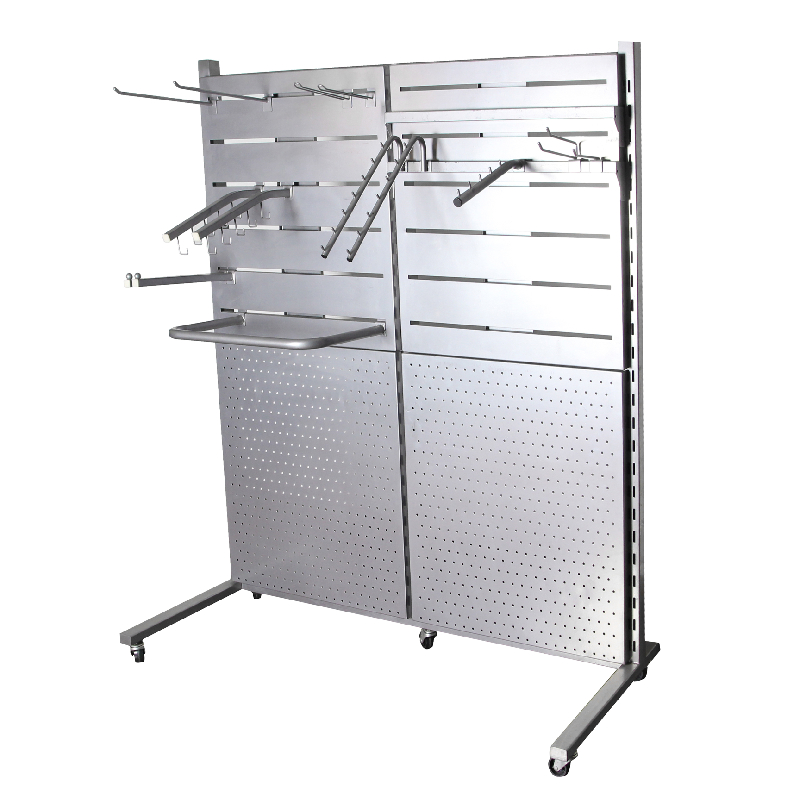


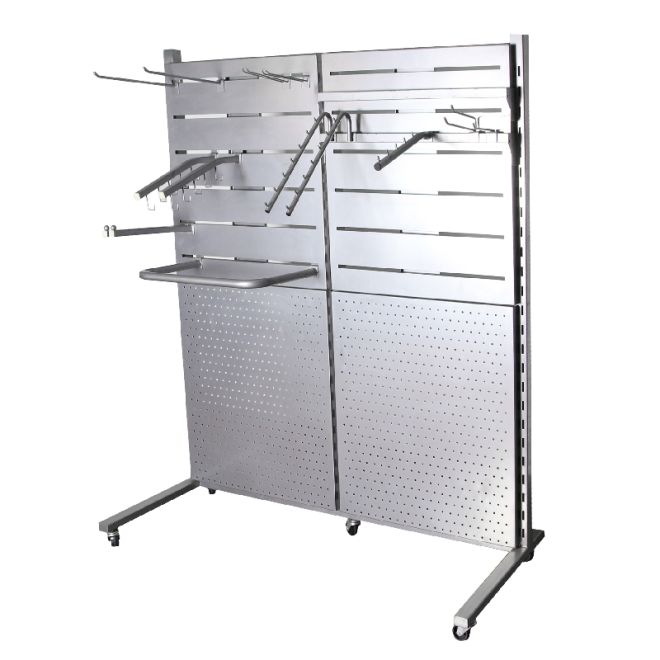
Choosing the ideal store room shelving is crucial in ensuring that your goods are well-organized, easily accessible, and housed safely. Whether you run a small retail shop or a vast warehouse, the right shelving can significantly impact the efficiency and appearance of your storage space. This article will delve into the key considerations when selecting store room shelving, guiding you through understanding your storage needs, evaluating material, design and structure, weight capacity, space optimization, and more. By addressing these areas, you can make informed decisions that match your specific requirements.
1. Understanding Your Storage Needs
● Types of Items to Be Stored
The first step in selecting the right store room shelving is to understand what you will be storing. Different items require different types of shelving solutions. Larger items like appliances or furniture demand sturdy, wide shelving, while smaller items such as cosmetics or electronic accessories can be displayed on narrower shelves. Wholesale store room shelving solutions often provide customizable options to fit various product dimensions, ensuring every item is stored efficiently.
● Frequency of Access
Determine how often you need to access the items stored. Items that are frequently accessed should be placed on easily reachable shelves, while those rarely needed can be stored higher up or in more remote corners. Store room shelving manufacturers often offer ergonomic designs that allow for easy access, minimizing retrieval time and effort.
● Space Constraints
Evaluate the space where the shelving will be installed. Consider the height, width, and depth available, along with any obstacles like doors or windows. A store room shelving factory can supply tailored solutions to maximize available space, ensuring that every inch is put to effective use.
2. Material Considerations for Shelving
● Metal vs. Wood vs. Plastic
The choice of material significantly impacts the durability, maintenance, and appearance of your shelving. Metal shelves are known for their strength and longevity, ideal for heavy-duty storage needs. Wooden shelves offer aesthetic appeal and are perfect for environments that value visual presentation. Plastic shelving is versatile and resistant to moisture, suitable for environments with higher humidity levels. Consulting with a store room shelving supplier can help you choose the material that best suits your specific needs.
● Durability and Weight Capacity
When selecting the material, consider how much weight each shelf will hold. Metal shelving usually offers the highest weight capacity, followed by wood and then plastic. Understanding the durability and load-bearing capabilities is essential in ensuring that your shelving supports your products safely and efficiently.
● Environmental Conditions (Humidity, Temperature)
Consider the environmental conditions of your storage area. Some materials may warp or degrade under certain conditions. For instance, wooden shelves might not be suitable for high-humidity areas. Store room shelving suppliers can provide insights into the best materials for your specific environmental conditions.
3. Shelving Design and Structure
● Adjustable vs. Fixed Shelves
Adjustable shelves offer flexibility, allowing you to rearrange the shelving layout as your storage needs change. This adaptability is beneficial for businesses that frequently change their inventory. Fixed shelves are more stable and can offer more strength but lack flexibility in configuration.
● Open Shelves vs. Closed Cabinets
Open shelves are great for easy access and visibility, making them suitable for retail spaces. Closed cabinets provide added security and dust protection, ideal for storing valuable or sensitive items. The choice between open and closed systems depends on the nature of your goods and your storage priorities.
● Aesthetic Considerations
The design and appearance of your shelving can affect the overall ambiance of your store room. Shelving that complements your existing decor can enhance the space, making it more appealing to staff and visitors. Manufacturers often offer a variety of styles and finishes to match different aesthetic preferences.
4. Weight Capacity and Stability
● Importance of Load-Bearing Capacity
Ensure that your shelving can support the weight of your products. Overloading shelves can lead to accidents and damage. Wholesale store room shelving solutions often specify maximum weight limits, which should be adhered to for safety and longevity.
● Anchoring and Securing Shelves
Proper installation is crucial for stability, especially for taller shelving units. Anchoring shelving to the wall can prevent tipping and accidents. Consulting with a store room shelving manufacturer for installation guidelines can ensure your shelves are secure.
● Compliance with Safety Standards
Ensure that your shelving meets industry safety standards to protect your staff and goods. Many suppliers offer shelving that complies with relevant regulations, giving you peace of mind regarding safety and liability concerns.
5. Size and Space Optimization
● Shelf Dimensions Relative to Room Space
Choosing the right dimensions for your shelving units ensures that you utilize the available space effectively. Measure the area accurately and consider how shelving will fit within that space. Store room shelving manufacturers can provide custom solutions that maximize storage space without causing overcrowding.
● Vertical vs. Horizontal Storage
Make the most of vertical space by opting for taller shelving units, especially in smaller areas. Horizontal storage can be more suitable for wider rooms with lower ceilings. Balancing vertical and horizontal storage optimizes accessibility and organization.
● Utilizing Corners and Odd Spaces
Corner shelving units can maximize storage capacity in spaces that might otherwise be wasted. Consider tailor-made solutions from a store room shelving factory that can exploit every possible area, providing additional storage without compromising on accessibility.
6. Customizability and Flexibility
● Modular Shelving Systems
Modular shelving offers unparalleled flexibility, allowing you to create a configuration that suits your changing needs. These systems are great for growing businesses, as they can expand with your inventory.
● Potential for Expansion or Modification
Consider shelving that can be easily expanded or modified. This adaptability can be a significant asset as your storage needs evolve. A store room shelving supplier can provide insights into expandable systems that suit your business growth.
● Multi-Functional Designs
Multi-functional shelving can serve multiple purposes, such as combining storage with display. This versatility can save space and cost, making it a valuable feature for any business. Evaluate solutions from store room shelving manufacturers that offer multi-purpose designs.
7. Cost and Budget Considerations
● Balancing Quality and Affordability
While it might be tempting to opt for the cheapest solution, quality should not be compromised. Investing in high-quality shelving will save money in the long term by reducing the need for repairs or replacements. Store room shelving suppliers can provide options that offer both quality and value.
● Long-Term Investment vs. Short-Term Needs
Consider whether your shelving choice is a long-term investment or a temporary solution. Durable shelving that supports future growth can be more cost-effective in the long run, despite higher initial costs.
● Cost of Installation and Maintenance
Factor in the costs associated with installing and maintaining your shelving. Professional installation might be necessary for complex systems, while simpler solutions might allow for DIY setup. Maintenance costs should also be considered when evaluating total expenditure.
8. Aesthetic and Visual Appeal
● Matching Shelving with Existing Decor
Shelving that complements your existing decor can enhance the overall look and feel of your storage space. This is important for retail environments where visual appeal can impact customer perception.
● Color and Finish Options
Manufacturers offer a variety of color and finish options, allowing you to choose shelving that aligns with your brand image and aesthetics. Consider how color and finish will blend with the rest of your store room.
● Impact on Customer Perception
The appearance of your shelving can reflect on your brand, influencing how customers perceive your business. Neat, attractive shelving can enhance your reputation, making a positive impression on visitors and clients.
Conclusion
Choosing the right store room shelving involves careful consideration of various factors, such as storage needs, material and design, weight capacity, and cost. By understanding these elements and seeking guidance from store room shelving manufacturers and suppliers, you can select shelving that optimally meets your requirements, ensuring efficient and organized storage.
About Formost Plastics
Formost Plastics & Metalworks (Jiaxing) Co., Ltd. was established in 1992 and has grown to become a leading manufacturer with over 30 years of experience in retail displays, storage racks, and fixtures made of metal, plastic, or wood. Founded by pioneers from Taiwan, Formost chose Jiaxing for its manufacturing base. Spanning 7000 square meters and employing over 70 skilled workers, Formost takes pride in ISO9001 and SEDEX certifications, and uses advanced equipment like CNC machines to maintain high quality.