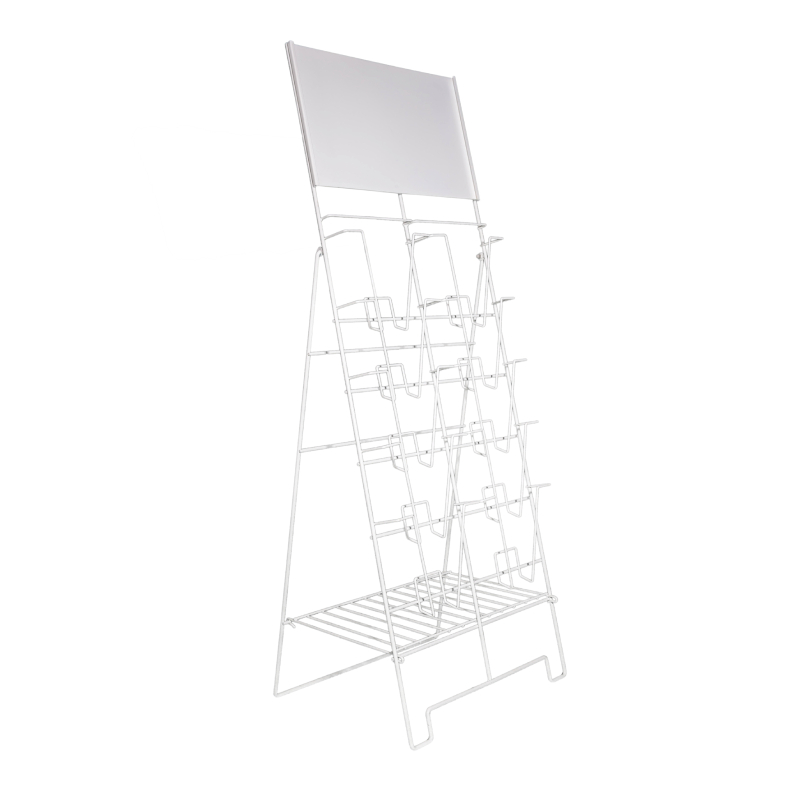


is a crucial decision that impacts the efficiency, durability, and cost-effectiveness of your storage solutions. Whether you are a homeowner seeking to optimize your storage space or a business looking to organize products efficiently, selecting the proper material for shelves can make all the difference. This article delves into the various materials available for store room shelves, offering insights that will aid in making an informed decision.
Introduction to Store Room Shelving Materials
● Importance of Selecting Appropriate Shelving
Store room shelves are essential components in both residential and commercial spaces. They maximize storage capacity, enhance organization, and ensure that items are accessible. Selecting the right material for your shelves is imperative not only for functionality but also for aesthetics and longevity. A well-chosen shelving material can withstand the demands of its environment, support the weight of stored items, and match the style of its surroundings.
● Overview of Common Materials Available
When it comes to store room shelves, several materials are commonly used, each offering unique benefits. Metal, wood, plastic, wire, and glass are among the popular options. Understanding the strengths and weaknesses of each can guide you in choosing the most suitable material for your needs. This article will explore these materials in detail, with a focus on their specific advantages and applications in various contexts.
Metal Shelving: Strength and Durability
● Ideal for Heavy and Industrial Goods
Metal shelving is renowned for its strength and durability, making it an ideal choice for storing heavy and industrial goods. These shelves can support substantial weight without bending or breaking, providing a reliable storage solution for warehouses and industrial settings. Their robust construction is perfect for wholesale store room shelves that need to accommodate large quantities of products.
● Long-lasting and Low Maintenance
One of the key benefits of metal shelving is its longevity. Made from materials such as steel or aluminum, these shelves are resistant to damage and wear over time. They require minimal maintenance, which makes them a cost-effective choice in the long run. Metal shelves are also fire-resistant and impervious to pests, adding to their appeal as a durable storage option.
Wood Shelving: Classic and Versatile
● Aesthetic Appeal and Natural Look
Wood shelving offers a classic, timeless appeal that complements a wide range of interior designs. Whether used in a retail environment or a home, wood shelves add warmth and a natural look that is difficult to replicate with other materials. For businesses and store room shelves manufacturers looking to create an inviting atmosphere, wood is often the material of choice.
● Suitable for Lighter and Decorative Items
While wood shelving is aesthetically pleasing, it is best suited for lighter and decorative items. Care must be taken not to overload wood shelves, as they can sag or warp under excessive weight. Nonetheless, for areas where appearance is as important as function, wood shelving provides an excellent balance of beauty and utility.
Plastic Shelving: Lightweight and Affordable
● Cost-effective and Moisture-resistant
Plastic shelving is a cost-effective solution for those seeking a lightweight and versatile option. Available in a variety of colors and styles, plastic shelves are a popular choice for both residential and commercial applications. Their moisture-resistant nature makes them ideal for environments like basements or storerooms that may experience dampness.
● Easy Installation and Cleaning
One of the main advantages of plastic shelving is its ease of installation. These shelves are typically modular, allowing for quick assembly without the need for special tools. In addition, plastic shelves are easy to clean, requiring just a wipe with a damp cloth, which makes them a practical choice for busy environments.
Wire Shelving: Ventilation and Visibility
● Prevents Dust Accumulation
Wire shelving offers excellent ventilation, which helps in preventing dust accumulation. This makes wire shelves an excellent choice for storing items that need to remain clean and dry. The open design allows air to circulate freely, reducing the risk of mold and mildew, thereby preserving the quality of stored goods.
● Easy Access to Stored Items
The open structure of wire shelving provides greater visibility and access to stored items. This is particularly beneficial in retail and wholesale environments where quick retrieval is essential. Store room shelves suppliers often recommend wire shelving for its combination of accessibility and practicality, which enhances operational efficiency.
Glass Shelving: Sleek and Modern Design
● Ideal for Displaying Select Products
Glass shelving offers a sleek, modern design that is perfect for displaying select products. Its transparent nature allows for unobstructed views, making it an excellent choice for retail displays where aesthetics are as important as function. Glass shelves can highlight the beauty and quality of the items they hold, drawing customer attention.
● Requires Careful Handling and Maintenance
While visually appealing, glass shelving requires careful handling and maintenance. It is prone to scratching and breaking if not properly cared for. Therefore, it is best suited for environments where it can be regularly maintained and where the risk of impact is minimized.
Comparing Load Capacities Across Materials
● Assessing Weight Limits for Different Shelving
When selecting materials for store room shelves, it is important to assess the load capacity of each option. Metal shelves typically offer the highest weight capacity, making them suitable for heavy-duty storage needs. Plastic and wood shelves, while capable of supporting lighter loads, may not be ideal for industrial applications.
● Matching Shelving to Storage Needs
Understanding the specific storage needs of your environment will guide you in choosing the right shelving material. Consider the weight and size of the items you plan to store, as well as the frequency of access. A manufacturer or store room shelves factory can provide guidance on the best materials for your particular application.
Environment and Climate Considerations
● Impact of Humidity and Temperature
The environment in which your shelves will be used is a critical factor in material selection. Humidity and temperature can affect different materials in various ways. For instance, wood may warp in high humidity, while metal may be susceptible to rust without proper finishing. Plastic, on the other hand, fares well in moist environments.
● Choosing Materials for Specific Store Environments
Selecting the right material for your store's environment involves understanding how environmental factors will interact with your shelving. Consult with a store room shelves supplier who can advise you on the best materials for your specific conditions, ensuring that your shelving will perform optimally in its intended setting.
Cost-Effectiveness and Budget Constraints
● Evaluating Long-term Investment vs. Upfront Costs
When considering shelving materials, it is important to weigh long-term investments against upfront costs. While some materials may be more affordable initially, others, like metal, offer greater durability and lower maintenance costs over time. Calculate the total cost of ownership to determine the most cost-effective solution for your shelving needs.
● Balancing Quality and Affordability
Balancing quality with affordability is a common challenge when selecting store room shelves. Consider the specific requirements of your space and budget, and opt for materials that offer the best value for money. Wholesale store room shelves can often provide bulk discounts that make higher-quality materials more accessible.
Maintenance and Longevity of Shelving Materials
● Routine Care Practices
Each shelving material comes with its own maintenance requirements. Regular cleaning and inspections can extend the life of your shelves, ensuring they remain functional and attractive. For example, metal shelving may require occasional lubrication to prevent rust, while wood shelves might need periodic polishing.
● Extending the Lifespan of Your Storage Solutions
By investing in the right materials and maintaining them properly, you can significantly extend the lifespan of your storage solutions. Work with a reputable store room shelves manufacturer or supplier to select materials that offer longevity and value, and follow recommended care practices to keep your shelves in top condition.
Conclusion
involves a careful consideration of various factors, including strength, aesthetics, cost, and environmental conditions. By understanding the benefits and limitations of different materials, you can make an informed decision that meets your specific storage needs. Whether you opt for metal, wood, plastic, wire, or glass, selecting the appropriate material will ensure that your store room shelves are both functional and durable.
● About Formost Plastics
Formost Plastics & Metalworks (Jiaxing) Co., Ltd. was established in 1992. As a leading manufacturer with over 30 years of experience, Formost specializes in designing and manufacturing retail displays, storage racks, and other fixtures made of metal, plastic, or wood. Founded by an entrepreneur from Taiwan, the company operates a factory in Jiaxing, covering 7,000 square meters with more than 70 skilled employees. With ISO9001 and SEDEX certifications, Formost Plastics is committed to quality and excellence, equipped with state-of-the-art machinery to deliver superior products.