


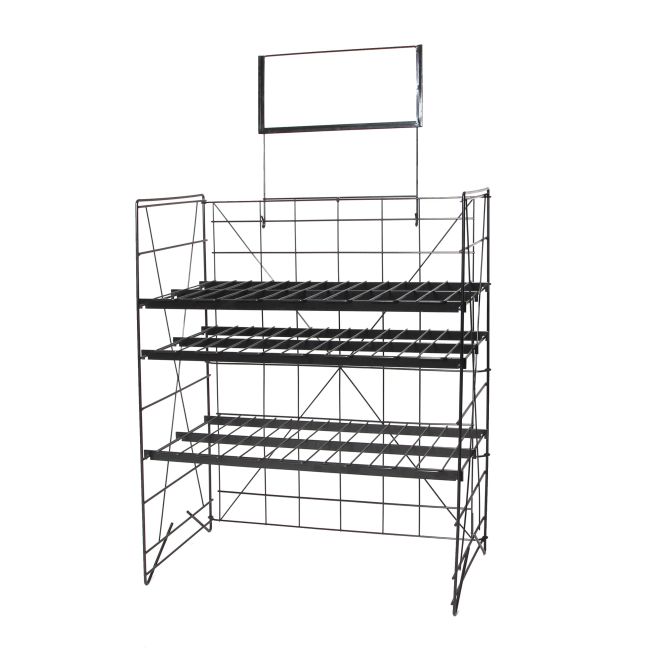
Selecting the right material for store shelving is crucial for retailers aiming to create an efficient, durable, and visually appealing display environment. With various metal options available, understanding the specific properties and advantages of each can significantly impact the store's operational efficiency and customer experience. This comprehensive guide explores the different metals used in store shelving, focusing on the advantages and considerations associated with each material. Whether you are looking for a metal display shelf, wholesale metal display shelf, or are dealing with a metal display shelf supplier or manufacturer, this article will provide valuable insights to guide your decision-making process.
Steel: The Popular Choice for Store Shelves
● Why Steel is a Preferred Material
Steel is undoubtedly one of the most popular choices for store shelving, thanks to its robustness and durability. Known for its impressive tensile strength and ability to withstand heavy loads, steel shelving is ideal for retailers dealing with a wide range of products. Steel’s exceptional strength-to-weight ratio means that it can support substantial weight without compromising the structural integrity of the store layout. Additionally, steel's malleability allows it to be manufactured in various forms, making it versatile for different retail settings.
● Varieties of Steel Used in Store Shelves
There are several types of steel used in the manufacturing of store shelves, each offering unique benefits. Stainless steel, for instance, is favored for its rust-resistant properties, making it suitable for environments with high humidity or exposure to spillages. Galvanized steel, coated with a protective layer of zinc, offers enhanced corrosion resistance, extending the lifespan of display shelves. For a more budget-friendly option, cold-rolled steel offers a smooth surface finish with adequate durability for less demanding retail applications.
Aluminum Shelving: Lightweight and Durable
● Benefits of Aluminum for Store Shelves
Aluminum is another excellent choice for store shelving, renowned for its lightweight nature and durability. While aluminum may not match the tensile strength of steel, its significant advantage lies in its weight—it is approximately one-third the weight of steel. This makes aluminum shelving easier to move and adjust, providing flexibility in store layout adaptations and reducing labor costs. Additionally, aluminum’s natural corrosion resistance ensures longevity without the need for additional protective coatings.
● Comparison to Steel in Weight and Corrosion Resistance
When comparing aluminum and steel, one of the primary considerations is weight. Aluminum's lightweight nature makes it ideal for modular shelving systems that require frequent adjustments. In terms of corrosion resistance, aluminum naturally forms a protective oxide layer, which enhances its durability in moist environments. This characteristic is particularly beneficial for retailers who deal with products sensitive to environmental conditions, such as electronics and perishables.
Comparing Metals: Strength and Durability
● How Different Metals Hold Up Under Weight
The strength of a shelving unit directly correlates with the type of metal used. Steel, particularly carbon and alloy steels, provides superior strength and is the preferred choice for heavy-duty shelving solutions. Its composition allows it to support substantial weight without sagging or buckling. Aluminum, while not as strong as steel, still offers adequate strength for lighter goods and retail settings where flexibility and mobility are paramount.
● Durability in High-Traffic Retail Environments
Durability is a critical factor for shelving in high-traffic areas. Steel's durability makes it an ideal solution for stores expecting significant customer interaction, as it can withstand daily wear and tear. Meanwhile, aluminum's resistance to rust and corrosion ensures that shelving maintains its structural integrity over time, even when exposed to varying environmental conditions. Retailers must weigh these factors when deciding between steel and aluminum based on their specific store needs.
Cost Considerations: Budget vs. Quality
● Price Differences Between Aluminum and Steel Shelving
Price is a crucial consideration when selecting store shelving, with steel generally being more cost-effective than aluminum. Steel's widespread availability and lower manufacturing costs make it an economical option for businesses on a budget. However, while aluminum may come at a higher initial cost, its long-term benefits—such as reduced maintenance and transport costs—can justify the investment for certain retail environments.
● Long-term Cost Implications of Metal Choice
While initial costs are important, retailers should consider the long-term implications of their shelving material choice. Steel's durability means lower replacement and maintenance costs over time, making it a cost-effective investment. Conversely, aluminum’s lightweight nature reduces transportation and installation costs, which can lead to savings in operational expenses. Retailers should perform a cost-benefit analysis to determine the best material for their needs.
Aesthetic Appeal: The Look of Metal Shelves
● How Metal Shelving Enhances Store Design
The aesthetic appeal of shelving cannot be underestimated, as it plays a crucial role in enhancing the overall store design and customer experience. Metal shelves, particularly those made from stainless steel and aluminum, offer a sleek, modern look that complements contemporary retail spaces. Their reflective surfaces can also enhance lighting within the store, creating an inviting shopping atmosphere.
● Customization Options Available with Metal Shelves
Customization is another advantage of metal shelving, allowing retailers to tailor their displays to suit specific branding and design needs. Metal display shelves can be powder-coated in a range of colors and finishes, providing a versatile option for businesses looking to create a cohesive store aesthetic. Customizable features, such as adjustable shelves and modular components, enable retailers to adapt their displays to changing inventory needs and seasonal promotions.
Environmental Impact: Eco-Friendly Metal Options
● Sustainability of Metal Shelving Materials
As businesses increasingly focus on sustainability, the environmental impact of shelving materials has become a key concern. Metal, particularly steel and aluminum, is highly recyclable, making it an eco-friendly option for conscientious retailers. The recycling process for these metals consumes less energy than producing new materials, contributing to a reduced carbon footprint.
● Recyclability of Steel and Aluminum
Both steel and aluminum boast impressive recyclability, with the ability to be repurposed indefinitely without losing quality. This makes metal display shelves an attractive option for eco-conscious businesses looking to minimize waste and maximize resource efficiency. By choosing metal shelving, retailers can align their operational practices with sustainable values, attracting environmentally aware consumers.
Rust and Corrosion: Protecting Metal Shelving
● Preventative Treatments for Rust and Corrosion
Preventing rust and corrosion is vital to extending the lifespan of metal shelving. Various treatments and coatings can be applied to steel and aluminum shelves to enhance their resistance to environmental damage. Powder coating, for example, not only offers a decorative finish but also provides a protective barrier against moisture and oxidation.
● Maintenance Tips for Extending Shelf Lifespan
Regular maintenance is essential to prolonging the life of metal shelving. Retailers should implement routine cleaning and inspection schedules to identify and address any signs of wear early on. For steel shelving, incorporating anti-corrosive treatments and ensuring a dry storage environment can prevent rust. Aluminum shelves, while naturally resistant to corrosion, benefit from regular polishing to maintain their aesthetic appeal.
Installation and Flexibility of Metal Shelving
● Ease of Assembling Metal Shelves
The installation process is a significant consideration for retailers, particularly those requiring frequent shelving adjustments. Metal shelves, due to their modular nature, typically offer straightforward assembly with minimal tools required. This ease of installation allows retailers to quickly adapt store layouts to accommodate new product lines or promotional events.
● Adjustable Features and Versatile Layouts
Metal shelving systems often include adjustable features, providing retailers with the flexibility to create dynamic and responsive store environments. Adjustable shelves, for example, allow for various product heights and configurations, enabling retailers to maximize the use of vertical space. This adaptability is particularly beneficial for businesses with a rotating inventory or seasonal displays.
Conclusion: Choosing the Right Metal for Your Needs
● Summary of Key Considerations in Selecting Shelf Materials
Choosing the right metal for store shelving involves a careful evaluation of factors such as strength, durability, cost, aesthetics, and environmental impact. Steel and aluminum each offer distinct advantages, making them suitable for different retail environments and needs. Retailers must assess their specific requirements to determine which material best aligns with their operational goals and customer expectations.
● Final Thoughts on Metal Shelving Choices
Ultimately, the choice between steel and aluminum shelving boils down to the specific demands of the retail space. Steel’s robust nature makes it ideal for high-volume stores needing durable, long-lasting solutions, while aluminum’s lightweight and corrosion-resistant properties are perfect for environments demanding flexibility and visual appeal. When in doubt, consulting with a metal display shelf manufacturer or metal display shelf supplier can provide additional insights tailored to individual store needs.
About Formost
Formost Plastics & Metalworks (Jiaxing) Co., Ltd. was established in 1992, bringing over 30 years of expertise in the design and manufacturing of retail displays, storage racks, and fixtures made of metal, plastic, or wood. Founded by pioneers from Taiwan, Formost made its mark in Jiaxing, China. The company operates a 7,000 square meter factory staffed by over 70 experienced employees. Holding ISO9001 and SEDEX certifications, Formost is committed to quality, employing advanced equipment like CNC cutting and bending machines to deliver superior products.
