


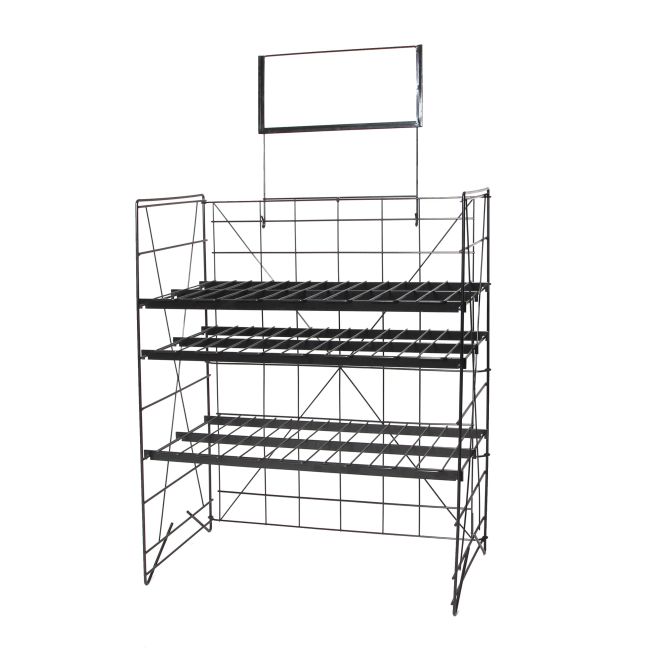
Introduction to Supermarket Rack Materials
supermarket racks, essential for product display and organization, come in a variety of materials. Each material offers unique characteristics that influence its suitability for specific retail environments. Understanding these materials helps wholesale dealers, factory owners, and suppliers in making informed decisions that enhance retail spaces. In this article, we delve into the primary materials used in supermarket racks, including wood, metal, plastic, glass, and combination materials.
Properties and Benefits of Wooden Racks
Classic Appeal and Durability
Wooden racks exude a classic charm, creating a warm and inviting atmosphere. Their natural grain can be stained or painted, aligning with various store decors. Wood's inherent sturdiness allows it to support heavy loads, making it a favored choice among many suppliers for boutique and specialty stores.
Maintenance Considerations
Wood requires regular maintenance to withstand environmental elements such as moisture and pests. This includes periodic refinishing and dusting. While wooden racks offer aesthetic advantages, they demand consistent upkeep to maintain their appeal and structural integrity.
Metal Racks: Strength and Versatility
Various Finishes and Applications
Metal racks are extensively used due to their strength and versatility. They come in several finishes, including powder-coated, chrome, and stainless steel. Powder-coated metal is resistant to rust and scratches, making it suitable for humid environments, such as those managed by wholesale distributors and factory owners.
Cost and Durability
- Powder-coated metal: Average lifespan of 15-20 years
- Chrome metal: Offers a shiny finish and easy cleaning
- Stainless steel: Maximum durability, ideal for heavy industrial use
Despite higher initial costs, metal racks provide long-term value due to their durability and ease of reconfiguration, appealing to both suppliers and factory settings.
Plastic Racks: Lightweight and Budget-Friendly
Variety in Design
Plastic racks are popular for their lightweight and cost-effective nature. Available in a wide array of colors and styles, they suit contemporary retail spaces looking for modern aesthetics. Their flexibility in design allows them to fit seamlessly into diverse store layouts.
Limitations and Suitability
- Weight capacity: Up to 50 kg per shelf on average
- Less durable compared to metal or wood
Best suited for lighter items, plastic racks find favor in stores prioritizing aesthetics over heavy-duty functionality. They are ideal for grocery stores and small retail chains operated by wholesale providers who prioritize cost-effectiveness.
Glass Racks: Elegance and Sophistication
High-End Product Display
Glass racks are synonymous with elegance, often used for displaying luxury or delicate products like jewelry and cosmetics. Their transparency enhances visibility, making items more attractive to consumers.
Handling and Maintenance
- Requires careful handling to prevent breakage
- Easy to clean, but prone to fingerprints and smudges
While providing a sleek, modern look, glass racks necessitate meticulous care, making them suitable for upscale retailers willing to invest in premium displays. Suppliers offering high-end fixtures often recommend glass racks for their aesthetic superiority.
Combination Racks: Blending Materials for Functionality
Hybrid Design Benefits
Combination racks leverage the strengths of multiple materials. For instance, wood and metal combinations offer a rustic yet industrial look, appealing to a broad range of retail environments. These hybrid designs cater to diverse needs, providing flexibility and enhanced aesthetic value.
Cost Implications
- Typically more expensive due to complex manufacturing processes
- Offers a tailored solution for specific retail requirements
Despite higher costs, combination racks are favored by suppliers looking to provide customized solutions for retailers who desire a certain look and feel. These racks are particularly appealing to boutique stores aiming for unique design statements.
Factors to Consider When Selecting Rack Materials
Budget and Longevity
The selection of supermarket rack materials should account for budget constraints and expected longevity. While metal and wood racks are generally more expensive, their durability justifies the investment. Wholesale suppliers might prefer these options for their long-term reliability.
Product Type and Weight
- Delicate or high-value items: Glass or combination racks
- Heavy or bulky goods: Metal or reinforced wood
Choosing the right material also depends on the type and weight of products being displayed, ensuring that the racks can accommodate without compromising safety and stability.
Maintenance Practices for Different Rack Materials
Regular Cleaning and Inspection
Proper maintenance is crucial for extending the life of supermarket racks. Regular cleaning and inspections help identify signs of wear or damage early, preventing more significant issues.
- Wood: Avoid moisture, regular dusting, and polishing
- Metal: Inspect for rust, apply protective coatings
- Plastic: Routine cleaning to remove dirt and stains
- Glass: Handle with care, clean smudges promptly
Cost Analysis of Different Rack Materials
Initial Investment and Long-Term Costs
The cost of supermarket racks varies significantly based on material, size, and design. Metal and wood racks command higher prices but offer greater durability, reducing replacement frequency.
Pricing Parameters
- Metal racks: $100-$300 per unit, lifespan of 20+ years
- Wood racks: $150-$400 per unit, requires maintenance
- Plastic racks: $50-$150 per unit, lifespan of 5-10 years
- Glass racks: $200-$500 per unit, delicate but aesthetic
The selection should balance between initial costs and long-term benefits, considering the operational and maintenance budgets.
Conclusion: Optimizing Store Layout with Right Material Choice
Choosing the right material for supermarket racks involves careful consideration of factors such as cost, durability, aesthetics, and functionality. By aligning the material choice with the store's specific needs and budget, retailers can enhance their store layout, improve customer experience, and ensure efficient product display. Wholesale dealers, factory owners, and suppliers play a crucial role in guiding these choices, offering racks that meet diverse retail requirements.
Formost Plastics Provide Solutions
Formost Plastics offers comprehensive solutions for supermarket rack needs, leveraging a blend of innovation and quality. By providing plastic racks that are both cost-effective and versatile, they address the demands of modern retail spaces. Their expertise ensures that store owners can optimize their layouts without compromising on durability or aesthetics. With a focus on sustainability and efficiency, Formost Plastics stands as a reliable partner for wholesale and suppliers seeking practical and stylish retail solutions.
