

Introduction to round display stands: Overview and Uses
Round display stands are a versatile and attractive option for showcasing a variety of items, from retail products to decorative pieces in homes and events. Their aesthetic appeal and functionality make them popular in numerous settings such as shops, exhibitions, and homes. They serve not only as platforms for displaying products but also as essential elements in enhancing the overall visual appeal of a space. In this comprehensive article, we delve into the materials typically used to construct these stands, providing a detailed analysis of their properties and benefits.
Common Materials for Round Display Stands
When it comes to constructing round display stands, material choice is crucial. The right material enhances both functionality and aesthetics, ensuring the stands meet the necessary requirements for durability, cost, and appearance. The materials generally used include wood, metal, MDF, acrylic, glass, and plastic. Each has its unique characteristics and advantages, catering to different needs and preferences.
Wood: A Classic Choice for Display Stands
Types of Wood Used
Wood is a timeless material known for its natural beauty and strength. Common types of wood used include oak, pine, and walnut. These woods offer varying grains and colors, allowing customization to match specific design aesthetics. The density of oak, for instance, makes it ideal for heavier displays, whereas pine is lighter and more affordable.
Advantages of Using Wood
Wooden display stands exude a warm and inviting appeal. They are robust, allowing them to hold significant weight, and they possess a timeless look that fits well with various decor styles. Wood is also relatively easy to work with, enabling manufacturers to create intricate designs that cater to bespoke needs.
Metal: Durable and Versatile Material
Types of Metals and Their Uses
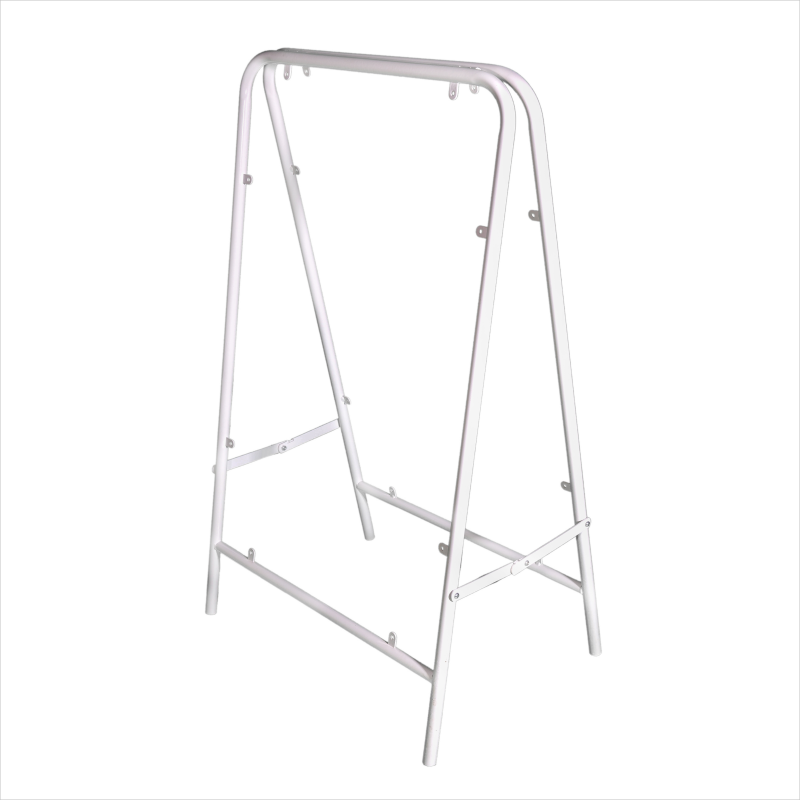
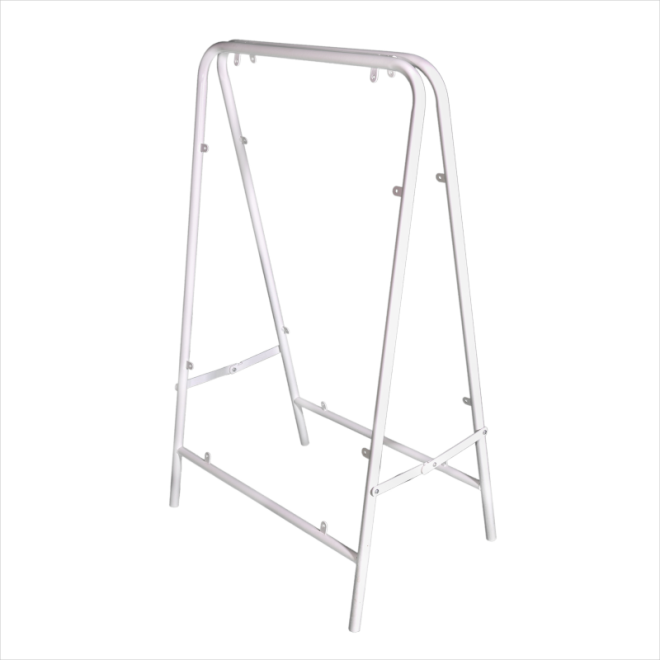
Common metals used in round display stands include steel, aluminum, and wrought iron. Steel is known for its strength and durability, making it suitable for stands that need to support heavy items. Aluminum, being lightweight and resistant to corrosion, is ideal for portable display solutions. Wrought iron offers a more vintage look, providing strength with decorative possibilities.
Pros and Cons of Metal
- Pros: Metals are strong, durable, and versatile, enabling intricate designs through processes like welding and bending. They also allow for a modern industrial look and are recyclable, adding an environmentally friendly aspect.
- Cons: Metal can be a non-renewable resource and may require protective coatings to prevent rust, especially if made from iron.
MDF and Particle Board: Cost-Effective Options
Benefits of MDF and Particle Board
Medium-density fiberboard (MDF) and particle board are engineered wood products, offering cost-effective alternatives to solid wood. They provide a smooth surface ideal for painting or applying veneers. These materials are consistent in texture, reducing the chances of warping compared to solid wood.
Limitations and Considerations
While cost-effective, these materials are generally less durable than solid wood or metal. They are susceptible to moisture damage and therefore require proper sealing. Their load-bearing capacity is also limited compared to sturdier materials.
Acrylic and Glass: Modern and Sleek Choices
Acrylic: Lightweight and Shatterproof
Acrylic offers a clear, glass-like appearance without the fragility, making it a popular choice for modern and sleek displays. It is lightweight yet strong, and it can be easily molded into various shapes. This material is particularly suited for environments where safety is a concern, as it doesn’t shatter like glass.
Glass: Elegance with Caution
Glass stands are favored for their elegance and transparency, allowing unobstructed views of the products. However, they require careful handling due to their fragility. Tempered glass is often used to enhance safety, as it breaks into smaller, less harmful pieces.
Plastic: Lightweight and Affordable Options
Types of Plastics Used
Various plastics, including PVC and polypropylene, are used in display stand manufacturing. These materials are lightweight and often more affordable than others, making them suitable for budget-friendly options.
Advantages and Disadvantages
- Advantages: Plastics are resistant to moisture and can be produced in diverse colors and finishes. They are also easily molded into different shapes.
- Disadvantages: Plastics may not offer the same level of strength or premium aesthetic as wood or metal, and their environmental impact is a consideration.
Multifunctional Stands: Blending Different Materials
Benefits of Using Multiple Materials
Combining materials can enhance the functionality and visual interest of display stands. For example, using a metal frame with wooden shelves can provide strength while maintaining a warm, rustic appearance. Such hybrid designs enable manufacturers and wholesalers to address diverse customer preferences.
Challenges and Solutions
While multifunctional stands offer versatility, they also present challenges in terms of structural integrity and manufacturing complexity. Manufacturers must ensure seamless integration of different materials, requiring careful design and engineering.
Customization and Finishing Techniques: Enhancing Appeal
Common Finishing Techniques
Finishing techniques such as painting, powder coating, and varnishing play crucial roles in tailoring the appearance of display stands. These finishes not only protect the materials but also allow for customization to match brand aesthetics or specific themes.
Role of Manufacturers and Factories
Manufacturers and factories specializing in display stands offer customization services to cater to specific industry needs. By utilizing advanced manufacturing processes, they ensure that each stand meets both functional and aesthetic requirements, aiding wholesalers in delivering quality products.
Conclusion: Choosing the Right Material for Your Needs
Selecting the appropriate material for round display stands involves considering factors such as the intended use, budget, and desired aesthetics. Each material discussed offers distinct benefits, allowing manufacturers and wholesalers to tailor products to meet specific market demands. By understanding the characteristics of each material, better decision-making can be achieved in selecting display solutions that maximize functionality and visual appeal.
Formost Plastics Provide Solutions
Formost Plastics offers comprehensive solutions for creating custom round display stands tailored to diverse needs. With expertise in various materials, we provide high-quality, durable, and aesthetically pleasing stands, whether for wholesale or bespoke orders. Our manufacturing facilities are equipped to produce stands that meet the highest standards, ensuring functionality and style. Trust Formost Plastics to transform your display ideas into reality with innovation and precision.