


Wooden Shelves: Classic and Versatile Options
Wood has long been cherished for its classic aesthetic and versatility in display shelving. Its natural appeal makes it a popular choice across diverse industries, from retail spaces to home decor.
Advantages of Using Wooden Shelves
Wooden shelves offer several benefits, including:
- Natural Aesthetic: Wood brings a warm, organic feel that complements various interior styles.
- Customizable: Can be stained, painted, or left natural to suit the desired look.
- Sustainability: Can be sourced from sustainable forestry practices.
Considerations for Wooden Shelves
Although wood is versatile, it has its limitations, such as:
- Maintenance: Requires regular care to prevent warping and deterioration.
- Weight Capacity: May not support extremely heavy items compared to metal.
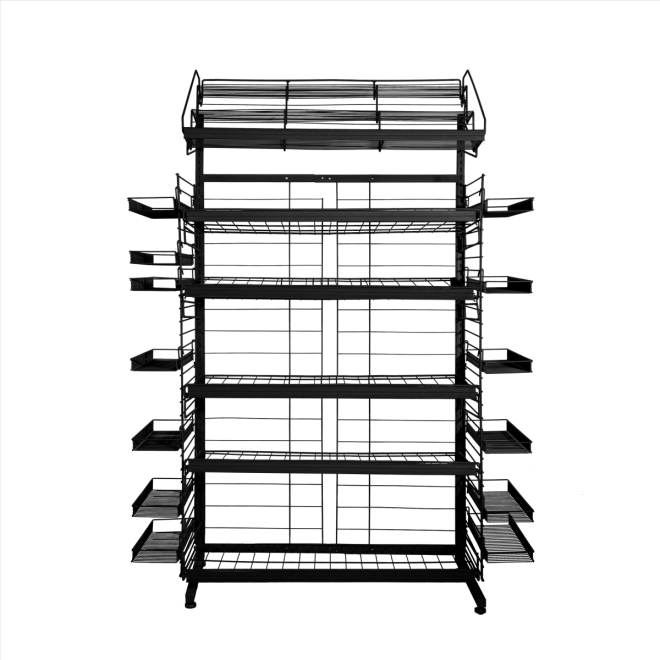
Metal Shelves: Durability Meets Modern Design
Metal shelves are renowned for their strength and modern aesthetic, making them a staple in industrial and commercial settings.
Benefits of Metal Shelves
Choosing metal shelving offers benefits such as:
- Strength and Durability: Capable of supporting heavy loads, with a typical weight capacity exceeding 200 pounds.
- Industrial Appeal: Adds a sleek and contemporary look to any environment.
- Low Maintenance: Resistant to pests and easy to clean.
Drawbacks of Metal Shelves
Potential downsides include:
- Prone to Corrosion: Can rust if not properly coated or maintained.
- Heavier: More difficult to move and install compared to lighter materials.
Glass Shelves: Elegance and Transparency
Glass shelves are favored for their ability to enhance the display of items, offering a transparent and elegant look.
Advantages of Glass Shelves
Key benefits include:
- Visibility: Provides clear views, making products appear more prominent.
- Elevated Aesthetic: Offers a minimalist and sophisticated touch.
- Weight Capacity: Typical maximum load ranges between 25 to 50 pounds, depending on thickness.
Challenges with Glass Shelves
Challenges involve:
- Fragility: More susceptible to breakage compared to other materials.
- Maintenance: Requires regular cleaning to maintain transparency and prevent smudges.
Acrylic Shelves: Lightweight and Customizable
Acrylic shelves are a popular alternative to glass, offering similar visual benefits while being lighter and more flexible.
Benefits of Acrylic Shelves
Consider these advantages:
- Lightweight: Easier to handle and install compared to glass.
- Customization: Available in diverse shapes and colors.
- Durability: Less prone to shattering and can support up to 20-40 pounds depending on thickness.
Limitations of Acrylic Shelves
Potential drawbacks include:
- Scratching: More prone to scratches than glass.
- Yellowing: May discolor over time.
Plastic Shelving: Affordable and Adaptable
Plastic shelving, including varieties like PVC and polypropylene, offers an affordable and adaptable solution for a range of display needs.
Advantages of Plastic Shelving
- Cost-effectiveness: Generally more affordable than wood or metal.
- Weather Resistance: Resistant to moisture and corrosion.
- Flexibility: Can be molded into various shapes to fit specific needs.
Drawbacks of Plastic Shelving
- Weight Limits: Typically supports lighter loads, up to about 50 pounds per shelf.
- Durability: Less sturdy than more rigid materials, such as metal or wood.
Composite Materials: Cost-Effective Alternatives
Composite materials, such as Medium-Density Fiberboard (MDF), offer cost-effective alternatives that emulate the look of pricier materials.
Benefits of Composite Materials
- Affordability: Cheaper than solid wood, while offering a similar aesthetic.
- Customizability: Can be shaped and finished like wood.
Considerations for Composite Materials
- Durability: Not as robust as natural wood.
- Moisture Sensitivity: Can swell or warp when exposed to excess moisture.
Fabric Displays: Design Flexibility and Lightness
Fabric displays offer unparalleled design flexibility and ease of use, often applied in settings requiring frequent updates.
Advantages of Fabric Displays
- Lightweight: Easy to transport and set up.
- Customizable: Easily printed with graphics and logos to enhance branding.
Challenges with Fabric Displays
- Stability: May require additional support structures.
- Durability: Less durable than more rigid materials; prone to wear over time.
Corrugated Material: Temporary and Eco-Friendly
Corrugated material, often seen in temporary displays, provides a lightweight and eco-friendly solution for short-term needs.
Benefits of Corrugated Material
- Sustainability: Easily recyclable and often made from recycled fibers.
- Portability: Lightweight nature makes it easy to transport and assemble.
Considerations for Corrugated Material
- Durability: Not suitable for long-term or heavy-duty applications.
- Weight Handling: Typically supports lighter items; ideal for promotional displays.
Natural Accents: Sustainable and Eco-Conscious Choices
Natural materials like bamboo, rattan, and cork are increasingly favored for creating eco-conscious and aesthetically pleasing displays.
Advantages of Natural Accents
- Sustainability: Often sourced from renewable resources.
- Aesthetic Appeal: Offers an organic look that aligns with eco-friendly branding.
Limitations of Natural Accents
- Maintenance: Requires regular upkeep to maintain appearance.
- Durability: May not match the strength of more industrial materials like metal or solid wood.
Choosing the Right Material: Factors and Considerations
When selecting display shelving materials, manufacturers, factories, and suppliers must consider factors like aesthetics, budget, and functionality.
Weight capacity varies widely: metal supports the heaviest loads, while acrylic and corrugated materials support lighter items. Costs can range from economical options like plastic to premium materials like tempered glass. Each material offers unique benefits and limitations, necessitating careful consideration to meet specific display requirements efficiently and effectively.
Formost Plastics Provide Solutions
At Formost Plastics, we offer innovative and customizable shelving solutions that cater to your specific display needs. Our extensive range includes options for various industries, ensuring your displays are both functional and aesthetically pleasing. As a supplier and manufacturer, we prioritize quality and sustainability, offering materials that meet both durability and environmental standards. Whether you require lightweight acrylic for temporary displays or durable metal for permanent installations, Formost Plastics has the expertise to deliver exceptional results tailored to your requirements.
User hot search: product display shelves