


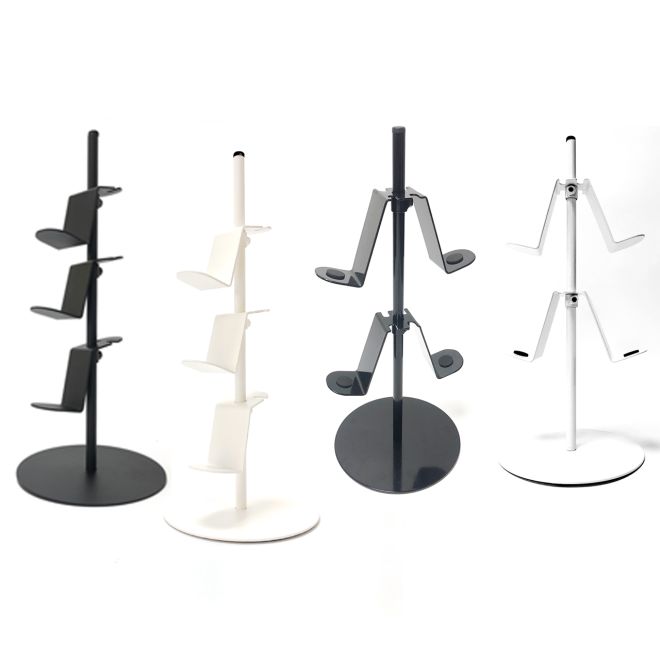
1. Introduction to Product Shelving
1.1 Definition and Purpose
Product shelving is an essential component in the retail industry, serving as the backbone for product presentation in stores. Defined simply, product shelves are fixtures used for displaying goods in a retail environment. They play a crucial role in showcasing merchandise effectively, ensuring that products are both accessible and appealing to consumers. In the competitive retail landscape, the strategic use of shelving can significantly impact sales and customer satisfaction by facilitating a seamless shopping experience.
1.2 Importance in Retail
The importance of product shelving in retail cannot be overstated. Effective shelving solutions not only enhance the aesthetic appeal of a store but also influence customer purchasing decisions. Well-organized and strategically placed shelves can make products more noticeable and enticing, driving impulsive buying behaviors. Furthermore, the right shelving systems help optimize space utilization, ensuring that every square foot of retail space contributes to profitability. In essence, product shelves are not just about holding products; they are about showcasing them in a way that maximizes sales potential.
2. Types of Product Shelving
2.1 Gondola Shelving
Gondola shelving is one of the most common types of retail shelving and is widely used in supermarkets, convenience stores, and other retail environments. These freestanding units are typically double-sided, allowing for merchandise to be displayed on both sides, thus maximizing the available space. Gondola shelves are highly versatile, available in various sizes and configurations to accommodate different product types. Their modular nature makes them adaptable to store layout changes, providing retailers with flexibility in product placement and display.
2.2 End Caps and Display Units
End caps are display units located at the ends of aisles, providing a prime spot for showcasing promotional items or high-margin products. These units are strategically placed to grab the attention of customers as they navigate through the store, often featuring seasonal promotions or special offers. Similarly, other display units, such as pegboards and dump bins, are used to present specific types of merchandise, enhancing the overall shopping experience. Product shelves manufacturers prioritize the design of these units to ensure they meet both functional and aesthetic requirements.
3. Materials Used in Product Shelving
3.1 Common Materials: Metal, Wood, and Glass
Product shelves are manufactured using a variety of materials, each offering distinct benefits. Metal shelving, for instance, is known for its durability and strength, making it ideal for holding heavy items. Wood shelves, on the other hand, provide a classic and warm aesthetic, suitable for upscale or boutique retail settings. Glass shelving is often used in high-end retail environments, offering a sleek and modern appearance that enhances product visibility. Each material serves a purpose, and the choice depends on the retailer's specific needs and branding strategy.
3.2 Benefits of Each Material Type
The choice of material for product shelves impacts both the functionality and appearance of the display. Metal shelving is highly durable and can withstand the weight of bulk items, making it a staple in wholesale product shelves. Wood offers versatility in design and can be customized to fit a store's theme, providing a sense of elegance and sophistication. Glass shelves, while requiring careful maintenance, provide an unobstructed view of the merchandise, making them ideal for showcasing delicate or high-value items. Ultimately, the material choice should align with the store's branding and product types.
4. Design Principles of Effective Shelving
4.1 Maximizing Visibility and Accessibility
Effective product shelving design prioritizes product visibility and accessibility, ensuring that customers can easily locate and retrieve items. Retailers achieve this by placing high-demand products at eye level and organizing merchandise in a logical and intuitive manner. Accessibility is also enhanced through the use of signage and clear labeling, guiding customers through the store with ease. By maximizing visibility, retailers can create an inviting shopping environment that encourages customers to explore and make purchases.
4.2 Incorporating Brand Aesthetics
Product shelving is not just about functionality; it is also an important element of a store's overall aesthetic. Shelving design should reflect the brand's identity and values, reinforcing the brand image in the minds of consumers. This can be achieved through the use of color schemes, lighting, and materials that align with the brand's theme. Additionally, customization options offered by product shelves manufacturers allow retailers to create unique and memorable shopping environments that differentiate their stores from competitors.
5. Product Shelving in Different Retail Environments
5.1 Grocery Stores vs. Clothing Stores
Product shelving requirements vary significantly between different types of retail environments. In grocery stores, the focus is on maximizing space and accommodating a wide variety of product sizes and types. Shelving must be sturdy and adaptable to frequent inventory changes. In contrast, clothing stores prioritize aesthetics and brand presentation, with product shelves designed to highlight garments and accessories attractively. The shelving in clothing stores often incorporates elements like mannequins and creative displays to enhance the shopping experience.
5.2 Specialty Retail and Boutique Applications
Specialty retail stores and boutiques often have unique shelving needs, driven by their niche markets and specific product offerings. In these environments, shelving is used not only for product display but also as a key part of the store's visual merchandising strategy. Product shelves may be custom-designed to highlight the uniqueness of the merchandise, incorporating elements like artwork, thematic decor, or interactive features. Wholesale product shelves suppliers often offer bespoke solutions to meet the specific demands of these specialty retailers, ensuring that their products stand out in a crowded market.
6. Impact of Shelving on Consumer Behavior
6.1 Influence on Shopping Habits
The design and organization of product shelves have a profound impact on consumer behavior and shopping habits. Effective shelving can guide customers through the store, encouraging exploration and increasing the likelihood of impulse purchases. Research shows that well-organized shelves that group related products together can simplify the decision-making process for consumers, leading to increased sales. Retailers can also use shelving strategies to cross-merchandise items, suggesting complementary products and encouraging additional purchases.
6.2 Psychological Aspects of Shelf Design
Psychological principles play a significant role in shelf design, influencing how consumers perceive and interact with products. Factors such as color, lighting, and product placement can all affect consumer perception and behavior. For example, placing premium products at eye level can create a perception of quality and value, attracting attention and driving sales. Product shelves manufacturers often collaborate with retailers to incorporate these psychological elements into their shelving designs, optimizing the shopping experience for maximum impact.
7. Choosing the Right Shelving for Your Store
7.1 Factors to Consider in Selection
Selecting the right product shelves for a retail store involves considering a range of factors, including store layout, product types, and budget. Retailers must evaluate their space constraints and determine the best shelving solutions to maximize product exposure and customer accessibility. The choice between custom-designed and prefabricated shelves will depend on the retailer's specific needs and branding objectives. Collaborating with a product shelves manufacturer can provide valuable insights and options to ensure the shelving meets both functional and aesthetic requirements.
7.2 Custom vs. Pre-fabricated Options
Retailers have the option to choose between custom-designed shelving solutions and pre-fabricated units. Custom shelves offer the advantage of tailor-made designs that perfectly fit a store's unique layout and branding. These solutions can incorporate specific features and materials to enhance product presentation. Pre-fabricated shelves, on the other hand, provide a cost-effective and readily available option, ideal for retailers seeking quick and standardized solutions. Both options have their merits, and the choice will depend on the retailer's priorities and budget.
8. Technology and Innovation in Shelving
8.1 Use of Digital Displays and Smart Shelves
The integration of technology in product shelving is revolutionizing the retail industry, with digital displays and smart shelves becoming increasingly popular. Digital displays offer dynamic content and interactive features that engage customers and provide real-time information. Smart shelves, equipped with sensors and connectivity features, can monitor inventory levels and provide valuable data on consumer preferences and behavior. These innovations enhance the shopping experience and provide retailers with valuable insights to optimize their operations and product offerings.
8.2 Integration with Inventory Management Systems
Advanced shelving solutions are increasingly being integrated with inventory management systems, streamlining operations and improving efficiency. Smart shelves can automatically track inventory levels, triggering reorders when stock runs low and ensuring that products are always available for customers. This integration reduces the risk of stockouts and overstocking, optimizing inventory management and minimizing waste. Product shelves suppliers are continually developing new technologies to enhance these capabilities, keeping pace with the evolving needs of the retail industry.
9. Maintenance and Upkeep of Product Shelves
9.1 Routine Care and Cleaning Tips
Proper maintenance and upkeep of product shelves are essential to ensure their longevity and effective performance. Regular cleaning is necessary to maintain the appearance and hygiene of shelving units, especially in food retail environments. Retailers should establish routine care protocols, including dusting, polishing, and inspecting shelves for damage. Metal shelves may require specific treatments to prevent rust, while wooden shelves may need periodic resealing to protect against wear and tear. A proactive maintenance approach ensures that product shelves remain in optimal condition, enhancing both aesthetics and functionality.
9.2 Addressing Wear and Tear
Over time, product shelves may experience wear and tear due to constant use and exposure to varying environmental conditions. Retailers should regularly inspect shelves for signs of damage, such as dents, scratches, or weakened structural components. Swiftly addressing these issues can prevent further deterioration and ensure the safety of both products and customers. Collaborating with a product shelves factory or supplier can provide access to replacement parts and expert repairs, extending the lifespan of shelving systems and maintaining their effectiveness.
10. Future Trends in Retail Shelving
10.1 Sustainable and Eco-friendly Designs
Sustainability is becoming a key consideration in retail shelving, with an increasing focus on eco-friendly designs and materials. Retailers are seeking shelving solutions that minimize environmental impact, using recycled materials or sustainable production methods. Products like bamboo or reclaimed wood offer eco-friendly alternatives to traditional materials. Additionally, product shelves manufacturers are exploring innovative designs that reduce energy consumption and waste, aligning with the growing consumer demand for sustainable practices.
10.2 Evolving Consumer Expectations and Technology Advancements
The future of retail shelving is shaped by evolving consumer expectations and technological advancements. As consumers increasingly seek personalized and immersive shopping experiences, shelving systems must adapt to meet these demands. Innovations such as augmented reality displays and interactive shelving units can enhance engagement and provide unique shopping experiences. Additionally, the continued integration of data analytics and artificial intelligence into shelving solutions allows retailers to understand consumer preferences better and tailor their offerings accordingly.
Conclusion
Product shelving plays a pivotal role in the retail industry, influencing everything from store aesthetics to consumer behavior. By understanding the various types, materials, and design principles of product shelves, retailers can optimize their product displays and enhance the shopping experience. The integration of technology and sustainability into shelving design is paving the way for a future where shelves are not just functional fixtures but dynamic, interactive elements of the retail environment. As the industry continues to evolve, product shelves manufacturers, suppliers, and retailers must collaborate to create innovative solutions that meet the demands of modern consumers.
About Formost
Formost Plastics & Metalworks (Jiaxing) Co., Ltd., established in 1992, is a leading manufacturer specializing in retail displays, storage racks, and fixtures. With over 30 years of experience, the company prides itself on its expertise in designing and manufacturing high-quality products using metal, plastic, and wood. Located in Jiaxing, Formost's 7,000-square-meter factory houses 70 skilled employees and boasts ISO9001 and SEDEX certifications. Equipped with advanced machinery, including CNC cutting and bending machines, Formost ensures efficient production and superior product quality, making it a trusted partner in the industry.
