


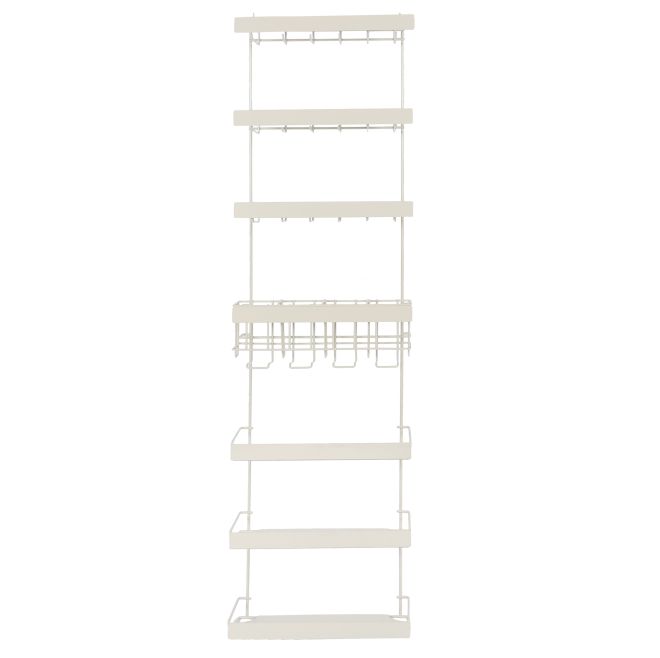
A4 stands, ubiquitous in both professional and personal spaces, serve as essential tools for organizing and displaying documents, specifically those formatted to the A4 size. In this comprehensive exploration, we will delve into various aspects of A4 stands, underlining their relevance, evolution, design innovations, and more.
● Introduction to A4 Stand: Definition and Purpose
The A4 stand, fundamentally, is a support structure designed to hold papers or materials formatted in the A4 size, which is internationally recognized as 210mm by 297mm. These stands are pivotal in facilitating the organization, display, and easy access of documents in diverse environments, ranging from corporate offices to educational institutions. Understanding the basic definition helps underscore their utility and omnipresence in our daily professional lives.
● Overview of A4 Stands
An A4 stand functions as a practical solution for displaying documents in a manner that enhances visibility and accessibility. It could be in the form of a podium, easel, or desk stand, catering to a wide range of display needs. This versatility makes them invaluable across various sectors.
● Primary Applications and Their Importance
A4 stands find their importance across different domains. In offices, they play a crucial role in meetings and presentations, streamlining the flow of information. In retail settings, they effectively display promotional materials, while in schools, they serve to organize educational resources effectively.
● Historical Background: Evolution of A4 Stands
The journey of A4 stands is intricately linked to the evolution of the A4 paper size itself—a standard introduced to bring uniformity in document sizes globally. The historical trajectory of A4 stands mirrors changes in technology and design philosophies over the decades.
● Origins of A4 Format
The A4 paper size was first introduced as part of the international ISO 216 standard. Its adoption facilitated the development of A4 stands, as the need for standardized document display solutions arose.
● Development of Stands Over Time
From simple wooden frames to sophisticated metal and plastic structures, A4 stands have evolved significantly. The transformation has been driven by advancements in materials and manufacturing technologies, broadening their applications and efficiency.
● Types of A4 Stands: Varieties and Materials
A4 stands come in an array of designs and are constructed from various materials, each offering unique benefits. Understanding these types can aid in selecting the right stand for specific needs.
● Different Types Available
A4 stands range from simple desk stands to elaborate floor-standing models, each designed for specific functions. Options include adjustable stands, fixed-angle stands, and multifunctional designs that incorporate additional features like lighting or mobility.
● Common Materials Used in Manufacturing
The choice of materials in manufacturing A4 stands includes metals such as aluminum and steel, as well as plastics and wood. Each material offers distinct advantages—metals provide durability and sleek aesthetics, plastics offer lightweight and cost-effective solutions, while wood adds a touch of elegance and tradition.
● Design Features: What Makes a Good A4 Stand?
The effectiveness of an A4 stand hinges on its design features. A good design not only meets the basic functional requirements but also enhances user experience through thoughtful innovations.
● Key Design Elements
Critical design elements include stability, adjustability, and ease of use. A well-designed stand will offer a balance of these elements, allowing users to interact with it seamlessly.
● Ergonomics and User-Friendliness
Modern A4 stands are crafted with ergonomics in mind, minimizing user strain and promoting efficient workflows. Features like adjustable heights and angles cater to diverse user preferences and environments, ensuring comfort and accessibility.
● Applications of A4 Stands in Different Sectors
The versatility of A4 stands is evident in their widespread use across various industries, each finding unique ways to incorporate these practical tools.
● Office Environments
In the office, A4 stands are indispensable for presentations, meetings, and desk organization. They aid in maintaining a clutter-free workspace, promoting productivity.
● Educational Settings
A4 stands support learning by organizing textbooks and instructional materials. In classrooms and lecture halls, they facilitate effective information dissemination and interactive learning.
● Retail and Marketing Usage
In retail, A4 stands are essential for showcasing product information, promotions, and pricing. They play a critical role in influencing consumer decisions, serving both informational and aesthetic purposes.
● Benefits of Using A4 Stands: Efficiency and Organization
The adoption of A4 stands offers numerous advantages, primarily enhancing efficiency and organization in both personal and professional settings.
● Enhancing Productivity
By organizing documents and making them easily accessible, A4 stands contribute to a more streamlined and productive working environment. They eliminate clutter, allowing for faster retrieval and better focus.
● Streamlining Document Display and Meetings
A4 stands facilitate effective communication during meetings by displaying agendas, minutes, and important documents prominently. This ensures that all participants are in sync, promoting collaborative discussions.
● How to Choose the Right A4 Stand for Your Needs
Selecting the appropriate A4 stand involves considering various factors that align with the specific needs and constraints of the intended use.
● Factors to Consider When Selecting a Stand
Key considerations include the environment in which the stand will be used, the volume of documents, mobility requirements, and aesthetic preferences. Understanding these factors will guide users in making informed decisions.
● Budget, Space, and Specific Use Cases
Balancing budget limitations with functional requirements is crucial. Additionally, the available space and specific use cases, whether for a desk, wall, or floor application, will influence the choice of stand.
● Innovations in Modern A4 Stand Designs
Modern A4 stand designs reflect the integration of innovative features that enhance functionality and appeal, catering to the evolving needs of users.
● Latest Trends and Technologies
Recent trends include the incorporation of LED lighting, digital display options, and mobile compatibility. Such innovations cater to high-tech environments where digital and physical documents converge.
● Eco-Friendly and Sustainable Options
Sustainability is becoming a focal point in A4 stand design. Manufacturers are increasingly utilizing recycled materials and adopting eco-friendly production processes to minimize environmental impact.
● Company Spotlight: Formost Plastics & Metalworks
Formost Plastics & Metalworks (Jiaxing) Co., Ltd, established in 1992, is a distinguished manufacturer in the industry with over 30 years of expertise in designing diverse retail displays and fixtures. Originally founded by a Taiwan entrepreneur, the company has made its mark in Jiaxing, China, housing its operations in a sprawling 7,000 square meter facility. Employing more than 70 seasoned professionals, Formost is proud of its ISO9001 and SEDEX certifications, reflecting a commitment to quality. Their state-of-the-art factory, equipped with 317 general devices and 10 automated machines, underscores their ability to produce high-quality A4 stands and other related products.
