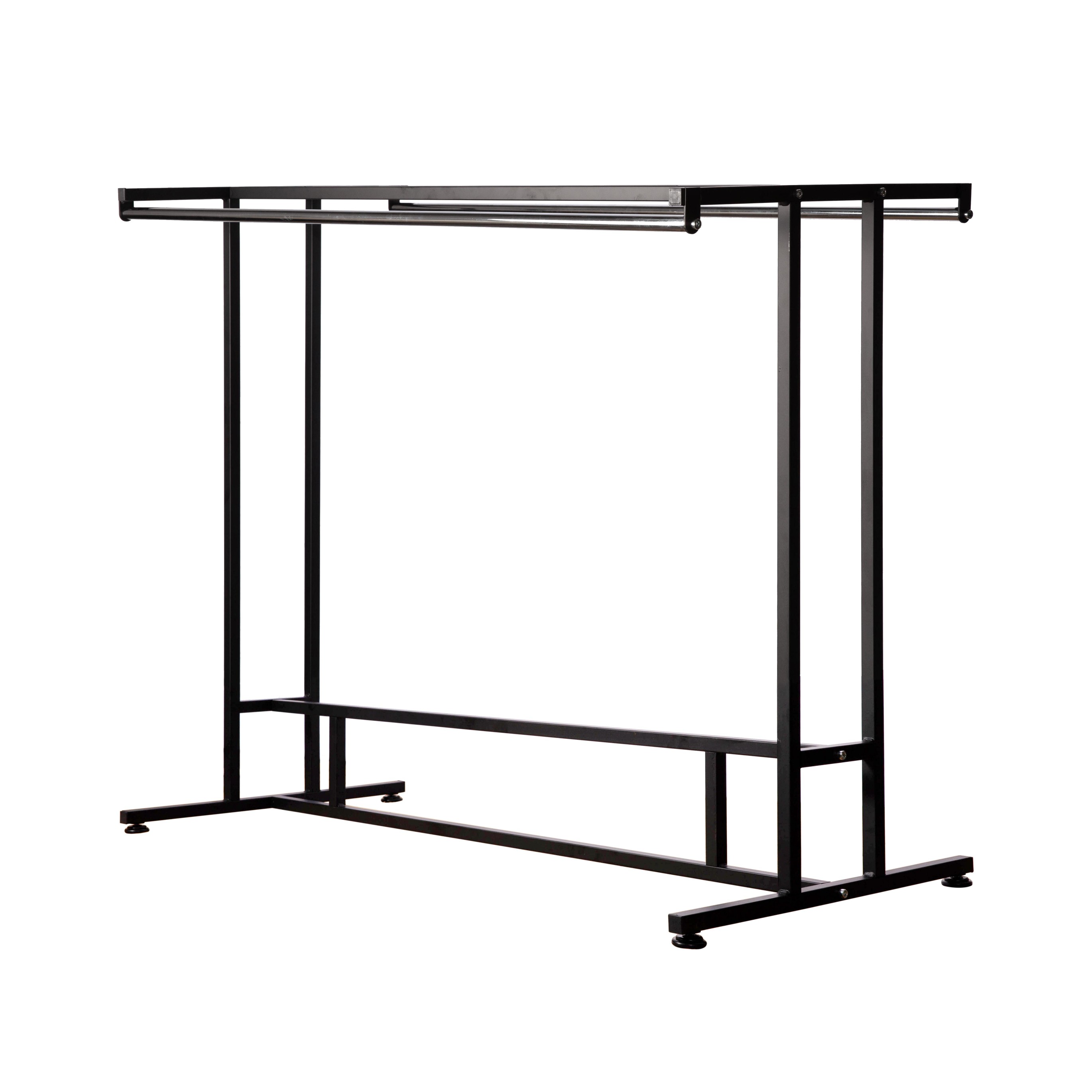


Introduction to Vendor Displays
● Definition and Purpose of Vendor Displays
Vendor displays are specialized setups used by businesses to showcase products and engage potential customers. These displays are often seen in retail environments, trade shows, and exhibitions, playing a crucial role in attracting attention and driving sales. By creatively presenting products, vendor displays help in communicating a brand's message and values clearly and effectively.
● Importance in Retail Environments
In the competitive world of retail, vendor displays serve as powerful tools for differentiation. They enable brands to stand out in crowded marketplaces and provide opportunities to connect with consumers on a personal level. Whether in a physical store or a temporary exhibition, the right vendor display can transform passersby into paying customers by making products visually appealing and easily accessible.
Types of Vendor Displays
● Standalone Displays vs Integrated Displays
Vendor displays come in various forms, including standalone and integrated setups. Standalone displays are independent units, often placed at strategic locations within a retail space to maximize visibility. They can be customized to reflect the unique characteristics of a brand and its products. Integrated displays, on the other hand, are seamlessly incorporated into the existing store layout, enhancing the overall shopping experience while maintaining brand consistency.
● Temporary vs Permanent Displays
Depending on the context and purpose, vendor displays can be temporary or permanent. Temporary displays are commonly used for promotions, seasonal products, or special events. They are designed to be easily assembled and dismantled, offering flexibility and cost-effectiveness. Permanent displays, however, are robust and durable solutions, meant to provide long-term visibility and support for core product lines.
Designing Effective Vendor Displays
● Key Design Elements and Best Practices
Creating an effective vendor display involves careful consideration of design elements such as color, lighting, and layout. The visual appeal of a display greatly influences customer interactions, so it’s essential to strike a balance between aesthetics and functionality. Best practices include using contrasting colors to draw attention, incorporating adequate lighting to highlight products, and arranging items in a manner that guides consumer flow naturally through the display.
● Balancing Aesthetics with Functionality
While captivating visuals are crucial, a vendor display must also be practical. Products should be displayed at eye level where possible, making them easy to see and reach. Space should be optimized to prevent clutter without compromising on the display’s visual impact. Additionally, incorporating elements like vendor display stands can add versatility and adaptability to the setup, catering to varying product sizes and types.
Placement and Positioning Strategies
● High-Traffic Area vs Niche Locations
Selecting the right location for a vendor display is vital for its success. High-traffic areas, such as entrances or near checkout counters, are ideal for catching spontaneous buyers and boosting impulse sales. However, in some cases, niche locations may be more suitable, particularly for specialized products that require a more intimate setting to encourage in-depth customer interactions.
● Impact on Customer Engagement
Thoughtful placement not only increases visibility but also enhances customer engagement. For instance, positioning vendor display stands at the end of aisles can attract attention without obstructing traffic flow. This strategic placement can significantly impact how customers perceive and interact with the displayed products, ultimately influencing purchasing decisions.
Challenges in Managing Vendor Displays
● Space Constraints and Inventory Management
One of the primary challenges in managing vendor displays is dealing with space constraints. Retail environments often have limited space, requiring careful planning and optimization to ensure that displays are both attractive and accessible. Additionally, maintaining an accurate inventory and preventing stockouts is crucial for the smooth operation of vendor displays.
● Coordinating with Multiple Vendors
For retailers working with multiple suppliers, coordinating various vendor displays can be a complex task. Ensuring consistency in branding, quality, and messaging across different displays requires effective communication and collaboration with each vendor display stands manufacturer. This coordination is vital for creating a cohesive shopping experience that resonates with consumers.
Vendor Display Regulations and Compliance
● Adhering to Store Policies and Legal Requirements
Retailers must ensure that vendor displays comply with store policies and legal requirements. This includes adhering to safety regulations, such as ensuring displays are stable and non-obstructive, and following guidelines for size, placement, and materials used. Working closely with a reputable vendor display stands supplier can help navigate these regulations effectively.
● Environmental and Safety Standards
Increasingly, consumers and regulatory bodies demand environmentally friendly practices from retailers. This involves using sustainable materials in displays and adopting eco-friendly disposal methods. Vendor displays should also meet safety standards to prevent accidents and ensure a safe shopping environment for all customers.
Technology Integration in Vendor Displays
● Digital Signage and Interactive Elements
The integration of technology into vendor displays has revolutionized how products are showcased and marketed. Digital signage allows for dynamic content that can be easily updated, while interactive elements, such as touchscreens or augmented reality, provide engaging experiences for consumers. These innovations help to capture consumer interest and provide additional information, facilitating informed purchasing decisions.
● Data Analytics for Performance Measurement
Leveraging data analytics in vendor displays can provide valuable insights into consumer behavior and display performance. Retailers can track metrics such as foot traffic, dwell time, and conversion rates, enabling them to optimize displays and strategies. Partnering with a vendor display stands factory that offers data integration solutions can enhance these capabilities, providing a competitive edge.
Case Studies of Successful Vendor Displays
● Examples from Various Industries
Successful vendor displays can be found across a range of industries, each leveraging unique strategies to maximize impact. In fashion, for example, displays often incorporate digital elements to showcase the latest trends and styles. In the technology sector, interactive demos and virtual reality experiences are used to engage tech-savvy consumers. These case studies highlight the diverse applications and effectiveness of well-executed vendor displays.
● Lessons Learned and Key Takeaways
Analyzing successful vendor displays reveals common factors that contribute to their effectiveness, such as innovation, strategic placement, and customer-centric design. Key takeaways include the importance of staying adaptable to changing consumer preferences and continuously iterating on display designs to maintain relevance and engagement.
Future Trends in Vendor Displays
● Innovations in Display Technology
The future of vendor displays is poised for exciting developments, particularly in the realm of technology. Innovations such as holographic displays, advanced augmented reality, and smart analytics are anticipated to further enhance the consumer experience. Vendor display stands manufacturers are continually developing new materials and techniques to keep up with these trends, offering more cutting-edge solutions.
● Evolving Consumer Preferences and Expectations
As consumer preferences evolve, so too must vendor displays. There is a growing demand for personalized and experiential shopping experiences, driving brands to create more interactive and immersive displays. Sustainability also plays a significant role, prompting a shift towards eco-friendly materials and practices. Staying attuned to these evolving expectations is essential for maintaining a competitive edge in the retail landscape.
About Formost
Formost Plastics & Metalworks (Jiaxing) Co., Ltd., established in 1992, stands as a leader in the design and manufacturing of retail displays, storage racks, and fixtures. Founded by a visionary from Taiwan, Formost set its roots in Jiaxing, China. With a sprawling 7,000 square meter factory and over 70 skilled employees, Formost prides itself on ISO9001 and SEDEX certifications, reflecting its commitment to quality. Equipped with advanced machinery, including CNC cutting and bending machines, Formost consistently delivers superior products.