

Introduction to Store Shelves
In the dynamic world of retail, store shelves are much more than mere storage solutions. They serve as the backbone of product presentation, influencing consumer behavior and enhancing the shopping experience. Store shelves are indispensable in organizing and displaying products efficiently and attractively, playing a crucial role in retail environments. From supermarkets to boutique stores, store shelves are paramount in ensuring that products are accessible and visually appealing, thereby driving sales and customer satisfaction.
Materials and Construction of Store Shelves
● Common Materials Used: Metal, Wood, Plastic
Store shelves are constructed from a variety of materials, each offering different benefits in terms of durability, affordability, and aesthetics. Metal shelves are renowned for their robustness and longevity, making them a popular choice in wholesale store shelves and high-traffic retail environments. Wood shelves, on the other hand, provide a more classic and warm aesthetic, perfect for creating an inviting atmosphere in boutique settings. Plastic shelves are lightweight and versatile, offering an economical solution that is particularly advantageous in fast-moving consumer goods markets.
● Durability and Sustainability Considerations
Durability is a primary consideration when selecting store shelves, particularly for store shelf manufacturers who aim to provide long-lasting solutions to retailers. Sustainability is increasingly becoming a priority as well. Many store shelf factories are now offering eco-friendly options made from recycled materials or sustainably sourced wood. This reflects a growing trend where store shelf suppliers are aligning with global environmental standards, offering products that not only meet functional requirements but also ethical ones.
Types of Store Shelves
● Wall-Mounted, Freestanding, and Display Shelves
The retail landscape offers a variety of store shelf designs, each serving unique purposes. Wall-mounted shelves maximize vertical space and are ideal for displaying lighter items at eye level, enhancing visibility and accessibility. Freestanding shelves, meanwhile, provide flexibility in layout adjustment, allowing for dynamic restructuring of retail spaces to accommodate seasonal inventory changes. Display shelves are often strategically placed to highlight promotional items or new arrivals, and they play a pivotal role in influencing purchasing decisions by drawing customers’ attention to featured products.
● Specialized Shelving for Different Products
Different retail environments require specialized shelving solutions. Grocery stores, for instance, may need robust shelving to handle heavy loads of canned goods, while clothing stores might prefer sleek, minimalist shelves that allow the apparel to be the focal point. Store shelf manufacturers often work closely with retailers to design custom shelving solutions that cater to specific product types, ensuring that each item is displayed optimally.
Design and Aesthetic of Shelves
● Minimalist vs. Decorative Styles
The design of store shelves significantly impacts the overall ambiance of a retail space. Minimalist shelving designs are characterized by clean lines and simplicity, promoting a modern and organized look that appeals to consumers seeking a clutter-free shopping environment. Decorative shelves, however, add character and enhance the thematic expression of a store, particularly in niche markets such as artisanal crafts or luxury goods. Each style serves different purposes, catering to diverse consumer preferences and complementing the retailer’s brand identity.
● Customizable Shelving for Brand Alignment
Retailers often seek store shelf suppliers who offer customizable options to align shelving with brand aesthetics. This customization may involve choosing specific colors, materials, or shelf configurations that reflect the brand's identity. By coordinating store fixtures with the brand’s image, retailers create a cohesive shopping experience that reinforces brand recognition and loyalty.
Functionality and Versatility
● Adjustable Shelves for Varied Product Sizes
One of the foremost attributes of effective store shelves is their adaptability. Adjustable shelves offer retailers the flexibility to modify shelf height and depth, catering to a wide range of product sizes and shapes. This feature is particularly beneficial in dynamic retail environments where inventory changes frequently, enabling retailers to optimize space utilization and respond swiftly to new stock arrivals.
● Multi-Purpose Use: Shelving Unit vs. Workbench
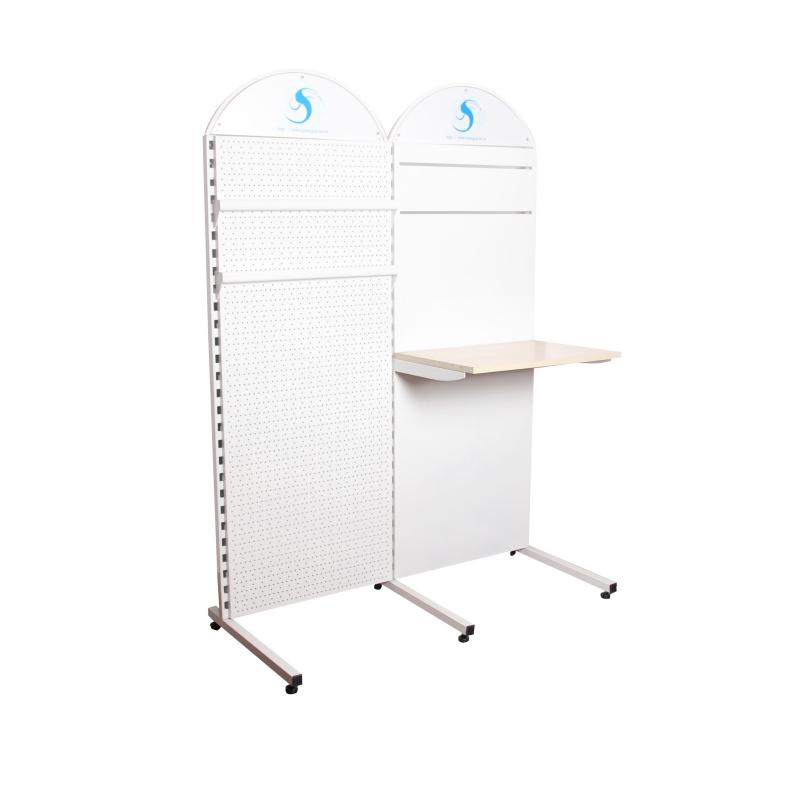
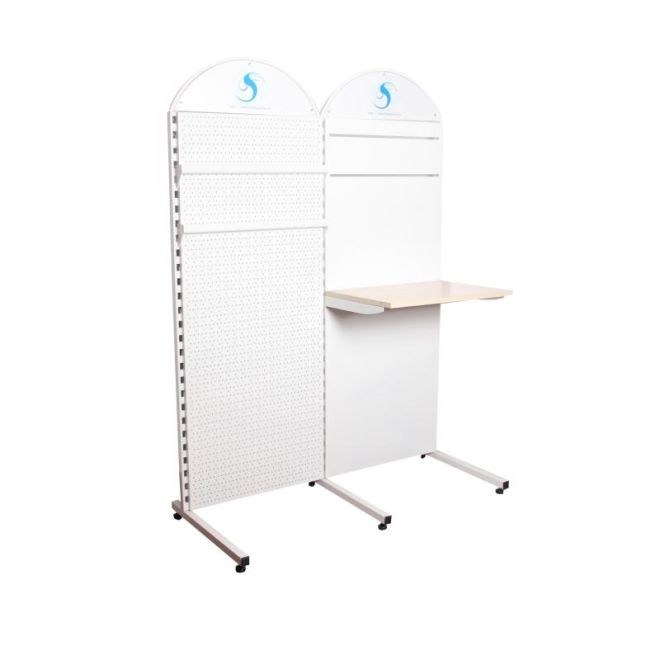
Store shelves are not solely confined to product display; they often serve dual purposes. In some settings, a shelving unit might double as a workbench, providing employees with a functional workspace for tasks such as inventory sorting or product assembly. This versatility is a valuable asset for wholesale store shelf users who seek cost-effective solutions that maximize utility and efficiency within retail spaces.
Shelving in Different Retail Environments
● Grocery Stores, Boutiques, and Department Stores
Each retail environment presents unique challenges and opportunities with regard to shelving solutions. Grocery stores prioritize durability and weight capacity, often opting for metal store shelves that can withstand heavy loads and constant movement. Boutiques, conversely, focus on aesthetic appeal and ambiance, selecting shelving that aligns with store themes and enhances the customer experience. Department stores, having a varied product range, require a mix of shelving types that can be tailored to different sections of the store, from fashion to electronics to home goods.
● Role in Enhancing Customer Experience
Store shelves play a critical role in shaping the customer experience. Properly designed and positioned shelves facilitate easy navigation, allowing customers to find products effortlessly. The strategic arrangement of shelves can also guide customers through the store in a manner that encourages exploration and discovery, ultimately leading to increased customer engagement and sales.
Maximizing Product Visibility
● Importance of Shelf Organization and Layout
The organization and layout of store shelves significantly influence product visibility and accessibility. Efficiently organized shelves reduce the time customers spend searching for products, enhancing their shopping experience and satisfaction. Retailers often employ specific merchandising techniques, such as cross-merchandising, to complement related products and boost sales. By thoughtfully arranging products, retailers can highlight bestsellers and promotional items effectively.
● Techniques for Eye-Catching Displays
Eye-catching displays are essential in attracting customer attention and encouraging impulse purchases. Retailers often collaborate with store shelf suppliers to design innovative shelving solutions that enhance product presentation. Techniques such as using lighting to highlight specific shelves, incorporating digital displays, or utilizing unique shelf shapes contribute to creating an engaging and memorable shopping experience.
Impact on Sales and Customer Behavior
● How Shelving Influences Purchase Decisions
Store shelves have a direct impact on consumer behavior and purchase decisions. Products placed at eye level are more likely to be noticed and purchased, which is why prime shelf space is often reserved for high-margin or popular items. Additionally, the placement of shelves near checkout areas can stimulate last-minute impulse buys, boosting overall sales. Retailers leverage these insights to strategically position shelves, optimizing layouts for maximum sales potential.
● Creating Impulse Buying Opportunities
Impulse buying is a significant revenue driver for retailers. By strategically placing small, appealing items on shelves near the checkout counter, stores can capitalize on customers’ impulsive tendencies. Wholesale store shelf suppliers often provide modular shelving systems that allow for easy rearrangement of products, enabling retailers to adapt quickly to changing inventory and consumer trends.
Cost-Effectiveness and Efficiency
● Shipping and Assembly Considerations
When selecting store shelves, retailers must consider factors such as shipping costs and ease of assembly. Many store shelf manufacturers design their products for easy transportation and quick assembly, reducing downtime and labor costs. This is crucial for new store setups or rapid reconfigurations in response to seasonal changes in inventory.
● Long-Term Investment Benefits for Retailers
Investing in high-quality store shelves is a wise decision for retailers looking to sustain long-term business success. Durable and versatile shelving solutions reduce maintenance costs and provide ongoing value, supporting efficient store operations and enhancing product presentation. By choosing reputable store shelf suppliers, retailers safeguard their investment, ensuring that their shelving systems remain functional and attractive over time.
Future Trends in Store Shelving
● Smart Shelving and Technology Integration
Technological advancements are poised to transform the landscape of store shelves. Smart shelving solutions equipped with sensors and digital displays can provide real-time inventory data, aiding in stock management and reducing instances of out-of-stock products. Furthermore, interactive shelves that offer product information or virtual demonstrations are becoming increasingly popular, providing an enhanced interactive experience for tech-savvy consumers.
● Eco-Friendly and Sustainable Shelving Solutions
Environmental consciousness is driving a shift toward sustainable retail practices, including eco-friendly shelving solutions. Store shelf factories are responding by developing products made from recycled materials or incorporating sustainable production methods. This trend not only appeals to environmentally conscious consumers but also aligns with broader corporate sustainability goals, reflecting a commitment to responsible retailing practices.
Formost Plastics: A Legacy of Quality and Innovation
Formost Plastics & Metalworks (Jiaxing) Co., Ltd. stands as a leader in the retail display and storage solutions industry, boasting over 30 years of experience. Established in 1992 by a visionary from Taiwan, Formost Plastics chose Jiaxing as its manufacturing hub. The company prides itself on its 7000 square meter facility, home to more than 70 skilled employees. Accredited with ISO9001 and SEDEX certifications, Formost Plastics exemplifies excellence and quality. The factory is equipped with cutting-edge machinery, including CNC cutting and bending machines, underscoring Formost Plastics' commitment to superior craftsmanship and innovative design in store shelves and retail fixtures.