

Introduction to floor displays
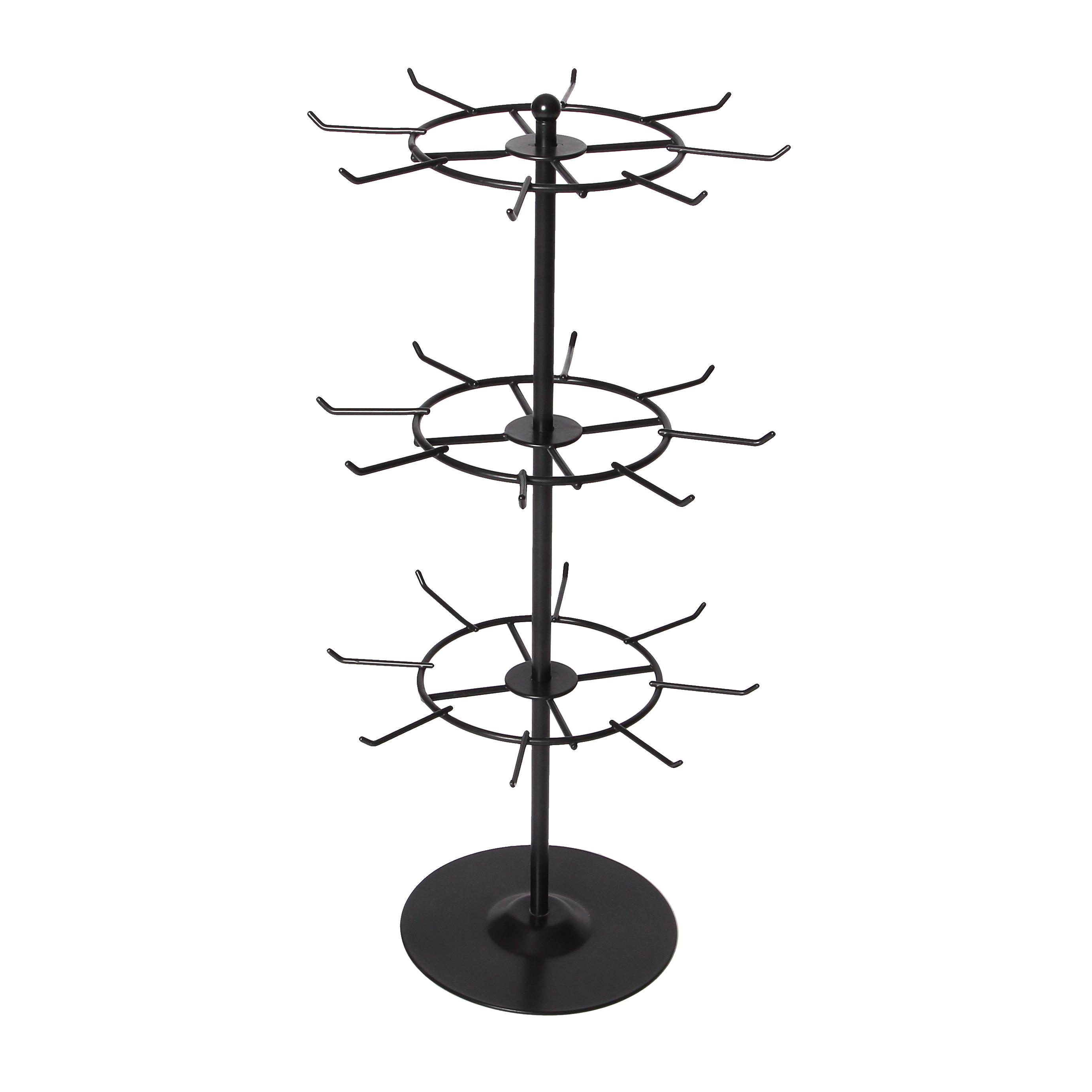
In the bustling world of retail, capturing the shopper's attention is crucial. With an ever-evolving landscape where consumer attention span is becoming more limited, the way products are displayed plays a pivotal role in influencing purchasing decisions. Enter the floor display—a strategic tool in the arsenal of retailers worldwide. A floor display is a standalone fixture, strategically positioned on the retail floor to showcase products effectively. It is designed not only to present products in an organized manner but also to enhance their visibility, entice shoppers, and ultimately drive sales.
Floor displays have become a ubiquitous presence in retail environments ranging from grocery stores and department stores to specialty boutiques and convenience outlets. These displays are versatile, serving varied purposes from promoting brand visibility to increasing impulse purchases.
Types of Floor Displays
● Permanent vs. Temporary Displays
Retailers can choose between permanent and temporary floor displays based on their specific needs and objectives. Permanent floor displays are built to last and are typically constructed using durable materials like metal or wood. These displays are ideal for emphasizing a continuous line of products or brands that require consistent visibility over extended periods.
On the other hand, temporary floor displays are often crafted using lightweight materials such as cardboard or corrugated plastic, making them cost-effective and easy to replace. These displays are perfect for seasonal promotions, special events, or new product launches where short-term visibility is desired without a long-term commitment.
● Custom vs. Stock Options
Floor displays also come in custom and stock options to cater to different retailer needs. Custom floor displays are tailored specifically for a brand, allowing unique designs that reflect the brand's identity and values. This customization can include special shapes, colors, and printed graphics which resonate with the target audience.
Conversely, stock floor displays are pre-designed units available in standard shapes and sizes. While they might lack the personal touch of custom displays, they are budget-friendly and readily available, making them an attractive option for retailers needing quick turnaround times.
Design Elements of Floor Displays
● Materials and Construction
The choice of materials and construction techniques significantly influences the effectiveness and durability of a floor display. Material selection ranges from corrugated cardboard to plastics, metals, and even wood. Each material offers distinct advantages. For instance, cardboard is lightweight and inexpensive, while metal provides robustness and longevity.
Construction methods must ensure structural integrity, especially in high-traffic areas where displays are susceptible to knocks and bumps. The design should be sturdy enough to support the weight of the products showcased while remaining attractive and aligned with the store's aesthetics.
● Visual Appeal and Branding
The visual appeal of a floor display is paramount in catching the eye of potential customers. This involves a keen understanding of color science, layout design, and graphical elements that align with the brand's identity. A well-designed floor display must communicate a clear message, visually presenting the product benefits and brand ethos.
Branding is integral to the design. Logos, taglines, and signature colors must be prominently featured, creating a cohesive representation of the brand. Effective branding not only aids in recall but also fosters a sense of familiarity and trust among consumers.
Strategic Placement in Retail Spaces
● High-Traffic Areas and Customer Flow
The strategic placement of floor displays within a retail environment is critical in maximizing their effectiveness. High-traffic areas, typically near store entrances, checkout areas, and aisles with high product turnover, are ideal spots for floor displays. These locations ensure maximum exposure to foot traffic, increasing the probability of interaction.
Understanding customer flow and shopping patterns is equally important. Floor displays should be positioned in areas that naturally draw customers’ eyes, facilitating easy access while not obstructing the overall flow of shopping.
● Maximizing Visibility and Engagement
To maximize visibility, floor displays must be positioned at strategic angles and heights, allowing them to stand out even from a distance. The design must incorporate elements that engage the consumer, such as interactive features, gripping visuals, or succinct, persuasive copy that encourages a closer look or a call to action.
Engagement can also be enhanced by the incorporation of digital elements such as QR codes that facilitate further interaction, leading consumers to product videos, reviews, or additional product information.
Benefits of Using Floor Displays
● Enhancing Product Visibility
One of the primary benefits of floor displays is their ability to enhance product visibility on the retail floor. By elevating products from the typical shelf placement, these displays draw attention and invite closer inspection. Floor displays act as focal points within the store, effectively breaking the monotony of standard shelving.
● Increasing Sales and Impulse Purchases
Floor displays are known for stimulating impulse purchases. Their strategic positioning in high-footfall areas and at visually engaging angles often lead customers to make unplanned purchases. A well-executed display not only showcases products but also suggests the value, necessity, or novelty of the items, prompting immediate buying decisions.
Floor Displays in Different Retail Sectors
● Grocery Stores and Supermarkets
In grocery stores and supermarkets, floor displays play a crucial role in promoting new or seasonal products. They are frequently utilized to present items that are part of promotional events or bundled offers, thus attracting the attention of potential buyers as they navigate aisles.
Floor displays in this sector often incorporate vibrant colors and engaging graphics to highlight fresh produce, beverages, or snack items, enhancing the overall shopping experience and encouraging exploration beyond regular grocery lists.
● Specialty Shops and Boutiques
In specialty shops and boutiques, floor displays are used to highlight unique or high-end products. These displays often emphasize aesthetics and brand storytelling, crafting an immersive experience that resonates with the store's exclusive clientele.
Boutiques leverage floor displays to create an inviting ambiance, showcasing limited-edition items or artisan crafts in a manner that aligns with the store’s theme, thereby enhancing the perception of exclusivity and desirability.
Optimizing Product Arrangement
● Effective Merchandising Techniques
The arrangement of products within a floor display can significantly impact its effectiveness. Effective merchandising involves grouping related products together, using vertical and horizontal placements strategically, and maintaining a symmetrical flow to enhance aesthetic appeal.
Retailers can also leverage cross-merchandising techniques, placing complementary products adjacent to each other, thereby encouraging customers to purchase items they may not have considered otherwise.
● Creating Thematic and Seasonal Displays
Thematic and seasonal displays are powerful tools for creating timely relevance. Floor displays can be adapted to fit various themes such as holidays, seasonal changes, or cultural events, creating an immediate connection with shoppers.
These customized setups drive consumer interest and engagement by featuring timely promotions or themed collections, enticing customers to explore and make purchases based on current trends or seasonal needs.
Measuring Display Effectiveness
● Metrics for Success Evaluation
Measuring the effectiveness of floor displays is essential for understanding their impact and optimizing future strategies. Retailers can use various metrics such as sales lift, conversion rates, and foot traffic analysis to gauge the success of their displays.
Data on customer interactions and feedback can provide insights into what elements of the display are working and areas that may require improvement.
● ROI and Sales Impact Analysis
A critical component of evaluating floor display effectiveness is analyzing the return on investment (ROI). Retailers must compare the costs associated with designing, producing, and maintaining the display against the sales generated during the display's lifecycle.
By conducting thorough sales impact analyses, retailers can determine the profitability of their floor display strategies and make informed decisions on future investments.
Conclusion
Floor displays are a vital component in the retail marketing mix, offering a plethora of benefits from increased product visibility to enhanced customer engagement. Through strategic design, placement, and maintenance, floor displays can significantly impact a retailer's success by driving sales and reinforcing brand presence.
● About Formost
Formost Plastics & Metalworks (Jiaxing) Co., Ltd. has been a pioneering force in retail display manufacturing since 1992. With a 7000 square meter factory in Jiaxing, they specialize in crafting high-quality metal, plastic, and wood displays. Founded by an entrepreneur from Taiwan, Formost continues to innovate with 70 skilled employees. They are ISO9001 and SEDEX certified, emphasizing quality and efficiency. Their modern facility, equipped with advanced machinery, underscores their reputation as leaders in the field. Formost is committed to delivering exceptional wholesale floor display solutions globally.