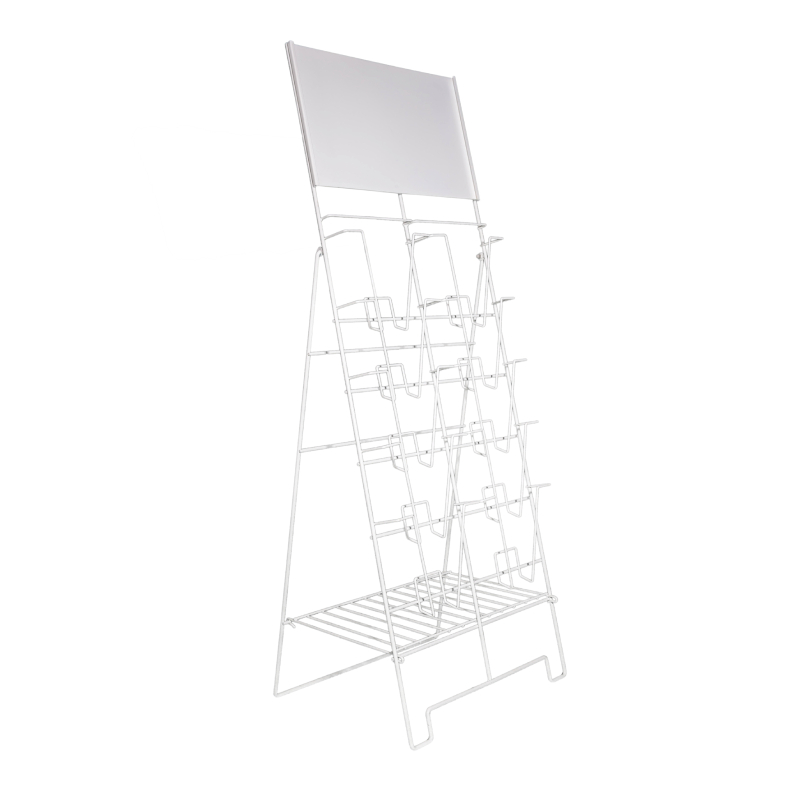


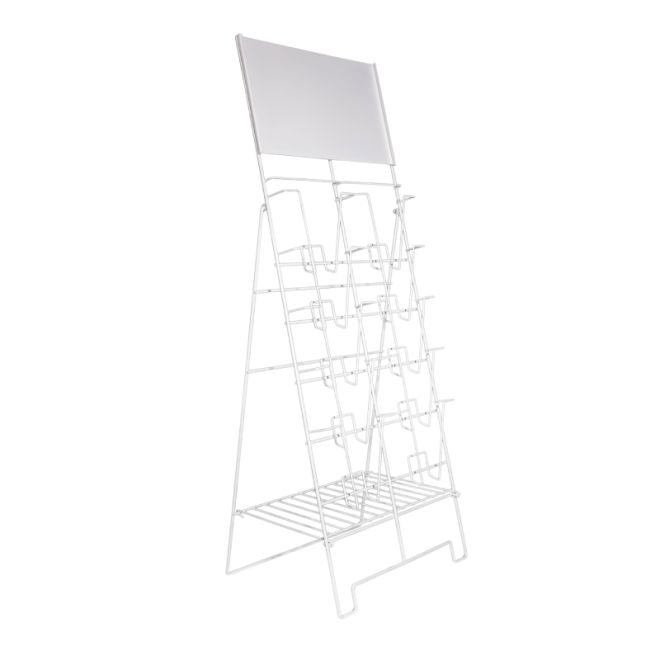
Retail shelving plays a crucial role in the presentation and accessibility of products in any store setting. From guiding customer flow to enhancing product visibility, the types and placements of these shelves can significantly impact sales and customer experience. This article delves into the different facets of retail shelving, exploring materials, customization, technology, and future trends.
The Purpose of Retail Shelving
● Displaying Products Effectively
In the retail world, shelves in store are more than just platforms to hold goods. They are critical tools in showcasing products to entice customers, ensuring that products are displayed in a manner that highlights their features and benefits. Effective shelving turns a simple display into an inviting scene that influences a shopper’s buying decision.
● Organizing Store Layout
Shelves serve as an essential component in organizing the overall store layout. They help in defining different areas of the store and create pathways for customers to explore. A well-organized layout not only assists in maintaining an effective flow of customer traffic but also facilitates a seamless shopping experience.
Types of Shelves in Retail Stores
● Gondola Shelving
Gondola shelving is prevalent in many retail environments, known for its versatility and adjustability. These freestanding units can be placed in various configurations and are ideal for displaying a wide range of products. Their double-sided design maximizes space utilization and allows for numerous shelving options.
● Wall-Mounted Shelving
Wall-mounted shelving provides a practical solution for stores with limited floor space. By using vertical space, these shelves offer an efficient way to display products without congesting the sales floor. They are often used for highlighting premium items or those requiring special attention.
Importance of Shelf Placement
● Influencing Customer Flow
The strategic placement of shelves in store can significantly influence how customers navigate the retail space. Properly arranged shelves guide the customers naturally through different sections, ensuring they encounter a variety of products. This can enhance the likelihood of impulse purchases.
● Enhancing Product Visibility
Product visibility is paramount for sales, and well-placed shelves ensure that products at different price points and popularity levels are easily accessible. Retailers often employ eye-level shelving, where the most important or profitable products are placed at a height where they are most likely to be noticed by customers.
Materials Used for Store Shelves
● Metal vs. Wooden Shelves
The choice between metal and wooden shelves greatly depends on the store's style and the nature of the products being sold. Metal shelves are typically robust and long-lasting, making them suitable for heavier items. Wooden shelves, on the other hand, offer a more classic look and are often used in boutiques or upscale retail environments.
● Plastic and Glass Options
Plastic shelves are a cost-effective and versatile choice for retailers who need lightweight and easily adjustable shelving solutions. Glass shelves project a sense of elegance and are used to display high-end or fragile items, enhancing their appeal by providing a clear view from all angles.
Customizing Shelves for Branding
● Brand-Specific Shelving Designs
Custom shelves in store can be tailored to reflect a brand’s unique identity, using color schemes, logos, and specific materials that align with branding strategies. This customization not only enhances the visual appeal but also aids in reinforcing the brand’s presence in the consumer's mind.
● Promotional Shelf Displays
Shelves in store are often customized for promotions, such as new product launches or seasonal sales. Promotional displays are typically located at high footfall areas within the store, making them easily visible and accessible. This strategy can drive increased sales for highlighted products.
Maximizing Space with Shelving
● Shelving for Small Stores
For small retail spaces, maximizing space with intelligent shelving solutions is crucial. Compact shelving units, smart use of corner spaces, and multi-tiered displays are strategies that can create a more efficient use of space, allowing small stores to showcase a wide variety of products without appearing cluttered.
● Space-Efficient Shelving Techniques
Modern stores often incorporate space-efficient shelving techniques like nesting tables or modular shelves in store configurations. These techniques allow for flexibility and adaptability, enabling retailers to change the layout quickly to meet varying customer needs or display requirements.
Safety and Durability of Store Shelves
● Load-Bearing Capacity
Safety is a primary consideration when selecting wholesale shelves in store. Understanding the load-bearing capacity of shelves is crucial to prevent accidents and ensure durability. It's vital that shelves are capable of supporting the weight of the products intended to be displayed, particularly in stores with high-volume or large products.
● Preventing Accidents with Secure Shelves
Retailers must take proactive measures to prevent accidents, such as implementing secure anchoring systems for shelves. Additionally, ensuring that shelves are regularly inspected and maintained is essential to maintaining a safe shopping environment for both customers and employees.
Technological Advances in Retail Shelving
● Smart Shelving Systems
Technological advances have led to the development of smart shelving systems, which integrate sensors and data analytics to monitor inventory levels and customer interactions. These systems can provide real-time data to suppliers and store managers, facilitating more efficient stock replenishment and improved customer service.
● Digital Price Tags on Shelves
Digital price tags represent a growing trend in retail shelving, offering dynamic pricing capabilities and reducing the need for manual updates. These electronic labels can be updated simultaneously across the store, ensuring accuracy in pricing and allowing for quick adjustments during sales and promotions.
Marketing Strategies Using Shelving
● Cross-Merchandising Techniques
Cross-merchandising involves placing related or complementary products next to each other on shelves, encouraging customers to purchase additional items. Effective cross-merchandising can significantly boost sales by prompting customers to buy more than they initially planned.
● Eye-Level Shelf Impact
The eye-level shelf is a prime spot for product placement, as it is where most customers naturally look first. Placing key products at this level can increase visibility and improve sales performance, a strategy commonly employed by retailers looking to maximize the potential of individual product lines.
Future Trends in Retail Shelving
● Sustainable Shelving Innovations
The future of retail shelving is increasingly geared towards sustainability, with more stores opting for eco-friendly materials and designs. Recyclable and renewable materials are gaining popularity, helping retailers reduce their environmental footprint while meeting consumer demand for sustainability.
● Modular and Adaptable Shelving Solutions
As competition in the retail sector intensifies, the need for adaptable shelving solutions is becoming more pronounced. Modular shelves in store settings offer flexibility in reconfiguration, making it easier for retailers to adjust their layout in response to changing market trends or consumer preferences.
● Introduction to Formost
Formost Plastics & Metalworks (Jiaxing) Co., Ltd., established in 1992, is a leading manufacturer with over 30 years of experience in designing and producing retail displays, storage racks, and fixtures from metal, plastic, or wood. Founded by a vision from Taiwan, Formost's factory in Jiaxing spans 7,000 square meters with a dedicated team of over 70 employees. Renowned for ISO9001 and SEDEX certifications, Formost excels in quality and efficiency through its advanced equipment, including CNC cutting and bending machines, ensuring top-notch products for the global market.