


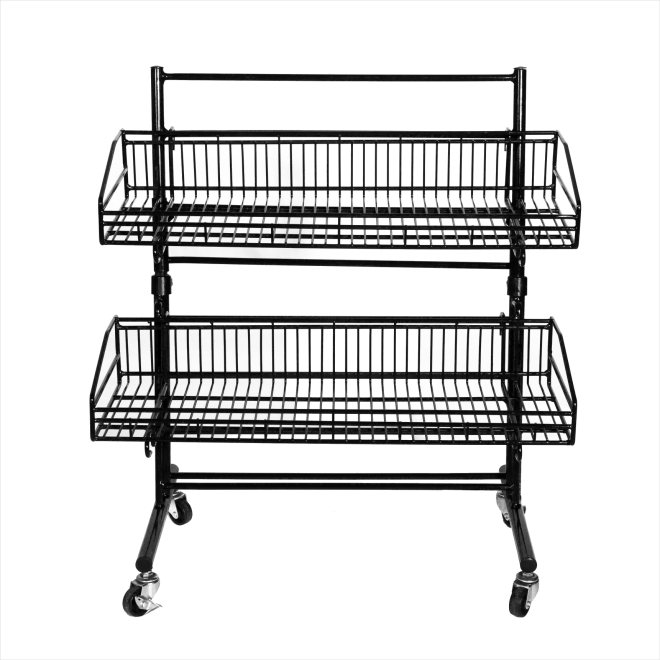
Choosing supermarket display rack materials feels like dating—metal looks strong, wood feels warm, plastic says “I’m cheap but fun,” and you just hope nothing collapses during a promotion rush.
Compare load capacity, durability, and cost using clear data; this retail shelving market report helps you match materials to traffic, product weight, and budget.
1️⃣ Metal vs plastic racks: durability, safety, and long-term maintenance comparison
Metal and plastic supermarket racks offer different benefits in strength, cost, and safety. Choosing correctly helps protect goods, reduce repairs, and keep aisles clean and organized.
Plan rack material based on product weight, customer traffic, and cleaning habits. This improves store efficiency and supports better product display and impulse sales.
1.1 Durability and load capacity
Metal racks handle heavy cartons and bulk items. Plastic racks suit lighter goods and are less likely to chip. Match load ratings to product categories to avoid sagging and accidents.
- Metal: best for beverages, canned food, detergents
- Plastic: best for snacks, cosmetics, seasonal goods
1.2 Safety and edge protection
Rounded plastic edges reduce impact risk in narrow aisles. Metal needs caps and guards. Use both with protective corners in crowded zones and near children.
- Install safety caps on metal corners
- Use anti-slip shelf mats for glass items
1.3 Cleaning and hygiene
Plastic racks resist rust and handle wet cleaning well. Metal racks need dry wipe and anti-rust care, especially in fresh food or chilled areas.
| Material | Cleaning Frequency | Risk |
|---|---|---|
| Metal | Weekly | Rust, paint peel |
| Plastic | Weekly | Color fade |
1.4 Flexibility and accessories
Plastic systems often allow quick shelf height changes. Metal frames accept hooks and bars for items like the Modern Standing Hat / Wig Rack Display Stand – Hat Hanging Storage Rack for Supermarket and Home Use.
2️⃣ Wooden display racks: aesthetic advantages, load-bearing limits, and care suggestions
Wooden racks bring a warm, natural look that suits premium zones, bakeries, and lifestyle aisles. They help products stand out and support brand image.
However, wood has lower load capacity than metal and needs regular care. Use it for mid-weight goods and combine with metal in high-load zones.
2.1 Visual appeal and brand image
Wood helps create a warm, high-end feel. It works well for wine, organic food, and gift zones where customers stay longer and explore more.
- Use light wood for fresh, clean style
- Use dark wood for premium and wine corners
2.2 Load limits and structure
Use wooden racks for mid-weight items such as packaged snacks or textiles. Avoid stacking heavy boxes high. Reinforce with hidden metal frames if needed.
2.3 Moisture, sunlight, and cleaning
Keep wooden racks away from damp floors and direct sun. Clean with a soft cloth and mild cleaner to avoid swelling, cracks, or color change.
2.4 Matching wood with other rack types
Combine wood displays with metal or plastic gondolas. Use wooden feature tables, end caps, and jewelry zones with the Rotating Jewelry Display Rack 12-Tier – Accessories Stand to drive impulse buys.
3️⃣ Environmental impact of different rack materials and sustainable selection tips
Material choice affects carbon footprint, recyclability, and future waste. Stores can cut impact by mixing long-life racks with recyclable options and careful sourcing.
Plan for full life cycle: production, use, reuse, and recycling. Update sections instead of replacing full systems to save resources and costs.
3.1 Life cycle and recyclability
Metal has high production impact but long life and strong recycling value. Quality plastic and wood can be reused if handled and sorted correctly.
| Material | Recyclability | Typical Lifespan |
|---|---|---|
| Metal | High | 8–15 years |
| Plastic | Medium | 5–10 years |
| Wood | Medium | 5–8 years |
3.2 Sustainable purchasing tips
Choose suppliers who offer repair parts, modular designs, and take-back programs. Ask about recycled content and safe coatings before placing large orders.
3.3 Reducing waste during upgrades
Reuse racks in backrooms or promo zones. Repaint metal, refit shelves, and move plastic units instead of discarding. Donate usable racks when refreshing layouts.
4️⃣ Cost-performance analysis of supermarket rack materials for various store sizes
Different store sizes need different rack strategies. Balance upfront cost, lifespan, and flexibility to get the most value per square meter.
Plan core aisles with durable systems, then add lighter units for seasonal and promotional zones to manage budgets effectively.
4.1 Small convenience stores
Use mainly plastic and light metal to control costs. Choose compact, multipurpose racks and a few wood accents near the checkout or bakery corner.
- Low upfront cost
- Fast rearrangement for promos
4.2 Medium supermarkets
Combine metal gondolas with plastic accessories and limited wooden feature zones. This mix offers long life and strong visual impact at reasonable cost.
4.3 Large hypermarkets and chains
Invest in heavy-duty metal as the backbone. Add themed wood areas and specialized units like the Napkin Display Rack – Napkin Display Stand for Supermarket and Mall Use for clear category focus.
5️⃣ Practical tips for choosing rack materials, recommended brand: Formost Plastics
Define product weight, display style, and hygiene needs before ordering racks. This avoids mismatches, safety issues, and frequent replacements.
Formost Plastics offers tailored supermarket display solutions with strong quality control and flexible designs that support long-term store planning.
5.1 Clarify goals and layout plans
Map traffic flow, key categories, and promo hotspots. Decide where you need strong metal, light plastic, or warm wood to match each zone’s task.
5.2 Focus on safety and standards
Check load labels, fire regulations, and edge protection. Formost Plastics products follow strict quality rules, helping stores keep staff and shoppers safe.
- Test stability regularly
- Inspect joints and fasteners
5.3 Work with reliable suppliers
Partner with brands like Formost Plastics that provide design support, fast parts supply, and consistent sizes. This makes expansion and remodeling smoother.
Conclusion
Choosing the right supermarket display rack materials means balancing durability, style, safety, and environmental impact. Metal, plastic, and wood each play a clear role in a smart layout.
By planning ahead and working with trusted brands such as Formost Plastics, stores can build flexible, long-lasting displays that boost sales and improve the shopping experience.
Frequently Asked Questions about supermarket display racks
1. Which rack material is best for heavy goods?
Use metal racks for heavy goods like drinks, detergents, and bulk cartons. Check the rated load per shelf and keep the heaviest products on lower levels.
2. Are plastic racks strong enough for daily supermarket use?
Yes, quality plastic racks handle light and medium loads well. They are ideal for snacks, personal care, and seasonal items, and they clean easily.
3. When should I choose wooden display racks?
Choose wood when you want a warm, premium feel, such as wine, bakery, or gift areas. Keep loads moderate and protect wood from moisture.
4. How often should racks be checked for safety?
Inspect key rack areas at least every three to six months. Look for rust, cracks, loose screws, and bending shelves, then repair or replace quickly.
5. How can I reduce the environmental impact of rack upgrades?
Reuse racks in other areas, repair instead of replacing, and choose recyclable materials. Work with suppliers that offer take-back or refurbishment programs.