


Your store layout feels like a game of Tetris gone wrong, and every week you’re convinced the gondola shelves and wall shelves are secretly swapping roles just to confuse you and your customers.
To fix this, match shelf type to product and traffic flow, relying on data-driven layout planning backed by industry research from the National Retail Federation so every inch of space works harder—and looks smarter.
🛒 Space Efficiency: Comparing Floor Usage of Gondola Shelving and Wall Shelves
Floor space is precious in any retail store. Choosing between gondola shelving and wall shelves affects aisle width, display density, and product visibility.
Use both systems wisely to balance high stock volume with a clean, open shopping experience that guides customers smoothly through key categories.
1. Center Floor Coverage with Gondola Shelving
Gondola units sit on the sales floor and create double-sided merchandising surfaces. They suit high‑turn items, promotions, and impulse buys.
- Best for: packaged goods, personal care, household items
- Typical depth: 18–24 inches per side
- Maximize vertical height to offset floor use
2. Wall Shelves for Perimeter Display
Wall shelves use vertical space along perimeter walls, leaving more open floor area for traffic, feature displays, and baskets.
- Ideal for: larger packs, bulk items, or category anchors
- Free up center space for seasonal or promotional zones
3. Combining Systems for Traffic Flow
Smart stores mix gondola runs with wall bays to create a natural loop. Shoppers see core categories while still moving easily.
| Area | Preferred System |
|---|---|
| Main aisles | Gondola shelving |
| Perimeter walls | Wall shelves |
| Entrances / promos | Freestanding racks |
4. Using Mobile Baskets to Fill Gaps
Mobile wire units help fill dead corners and support fresh produce or impulse stock without blocking aisles.
- 2-Tier Wire Display Rack for Grocery Produce for entry produce zones
- Place near gondola ends to catch quick buys
📏 Storage Capacity and Weight Limits: Choosing the Right System for Your Products
Different products need different load capacities. Compare gondola shelving and wall shelves by weight rating, shelf depth, and vertical adjustability.
This helps you avoid sagging shelves, unsafe stacking, and poor category blocking while keeping displays neat and shoppable.
1. Typical Load Ratings by Shelf Type
Plan shelf positions by item weight: heavy cases go low; light items can sit higher without safety issues.
| System | Average Load / Shelf |
|---|---|
| Gondola shelving | 80–150 kg |
| Wall shelves | 40–80 kg |
| Wire basket racks | 20–40 kg |
2. Deep Shelves for Bulk and Cases
For bulk packs, drinks, and cartons, deep gondola shelves often outperform shallow wall systems.
- Use lower gondola levels for heavy beverages
- Keep high‑turn cases in easy‑reach zones
3. Light Items on Wall Shelves
Wall shelves work best for lighter, taller items such as boxed food, beauty products, or décor.
- Stack by brand and size to keep lines tidy
- Use shelf risers or dividers for narrow packs
4. Flexible Wire Baskets to Supplement Capacity
Add wire baskets to pick up overflow where gondolas or wall units are full.
- 3-Tier Retail Basket for Markets handles light produce or packaged snacks
- Reposition quickly to support promotions
🧹 Maintenance, Cleaning, and Durability Differences in Daily Store Operations
Daily cleaning should be quick and simple. Durable shelves reduce damage, downtime, and unsafe conditions over years of use.
1. Cleaning Gondola Shelving vs Wall Shelves
Gondola bases catch more dust and spills, while wall shelves usually gather less floor soil but more top‑shelf dust.
- Use removable shelf panels where possible
- Schedule deep cleaning by aisle rotation
2. Durability Under Heavy Traffic
Gondolas face more cart impact; wall units face more anchor stress.
| Factor | Gondola | Wall Shelves |
|---|---|---|
| Cart impact | High | Low |
| Bracket stress | Medium | High |
3. Wire Baskets for Easy Wash-Down Areas
Wire units suit wet or food zones because they let debris fall through and are simple to hose or wipe.
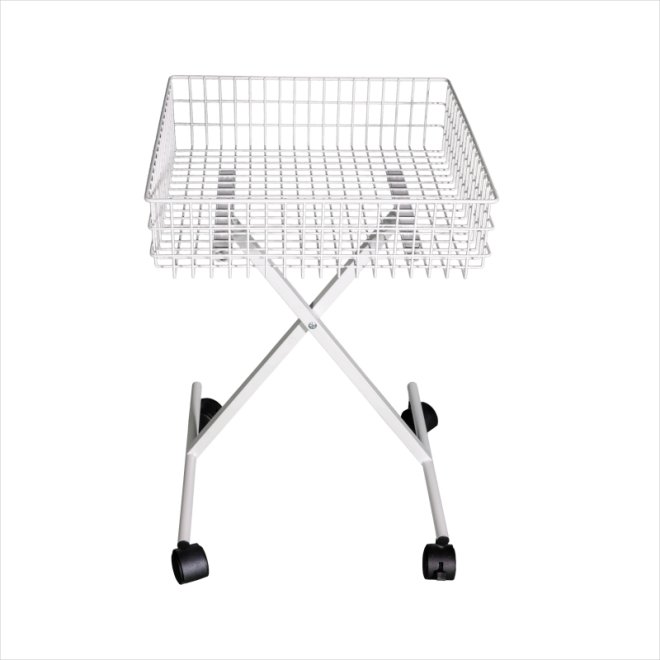
- Rolling Wire Basket Storage Stand – Folding Caster Display moves out for floor scrubbing
- Open design speeds visual checks and cleaning
🧭 Layout Flexibility: Aisle Flow, Sightlines, and Customer Navigation Considerations
Store layout guides how long shoppers stay and how much they buy. Shelving height and position shape visibility and flow.
1. Aisle Width and Turning Space
Gondola runs must leave enough space for two carts to pass without friction or damage.
- Aim for comfortable aisle width of 1.5–1.8 meters
- Keep promo ends from blocking main paths
2. Sightlines and Category Visibility
Lower gondolas near entrances keep sightlines open to fresh zones, checkout, and key brands.
| Zone | Recommended Height |
|---|---|
| Entrance | Low gondola / baskets |
| Center | Standard gondola |
| Perimeter | Taller wall shelves |
3. Guiding Customers Through a Planned Path
Use wall shelves to anchor main categories and gondola runs to gently guide customers along a planned path.
- Place essentials toward the rear to increase exposure
- Use feature ends for seasonal or high‑margin products
🏭 Why Formost Plastics Shelving Systems Suit Modern Retail Display Requirements
Formost focuses on practical, modular systems that help retailers increase sales, keep displays clean, and adjust layouts as trends change.
1. Modular Design for Fast Category Changes
Adjustable shelves and baskets let staff reset promotions overnight without heavy tools or long downtime.
- Clip‑in components for quick changes
- Common sizes across categories
2. Strong Yet Lightweight Structures
Well‑engineered plastic and metal components balance strength with easy handling during installation and resets.
| Benefit | Impact |
|---|---|
| Lightweight parts | Faster setup and changeover |
| High load rating | Safe storage of heavy goods |
3. Optimized for Visual Merchandising
Clean lines, open wire designs, and stable frames help products, not fixtures, become the focus for shoppers.
- Good for color blocking and brand blocking
- Works with signage, dividers, and risers
Conclusion
Gondola shelving maximizes center‑store capacity, while wall shelves protect floor space and frame key categories. Wire baskets add mobile, flexible support.
By combining these systems and planning around traffic, visibility, and cleaning, retailers create safer, more profitable stores that adapt quickly to changing demand.
Frequently Asked Questions about display shelving for retail stores
1. Which is better for small shops, gondola shelving or wall shelves?
For very small shops, wall shelves usually come first because they free floor space. Add short gondola runs only where extra capacity is essential.
2. How high should gondola shelving be?
Most stores keep gondolas between 1.3 and 1.6 meters high. This height carries good stock volume while still protecting sightlines and safety.
3. Are wire baskets strong enough for heavy items?
Wire baskets work best for light to medium items such as produce, snacks, or packaged goods. Place heavy cases on lower gondola or wall shelves instead.