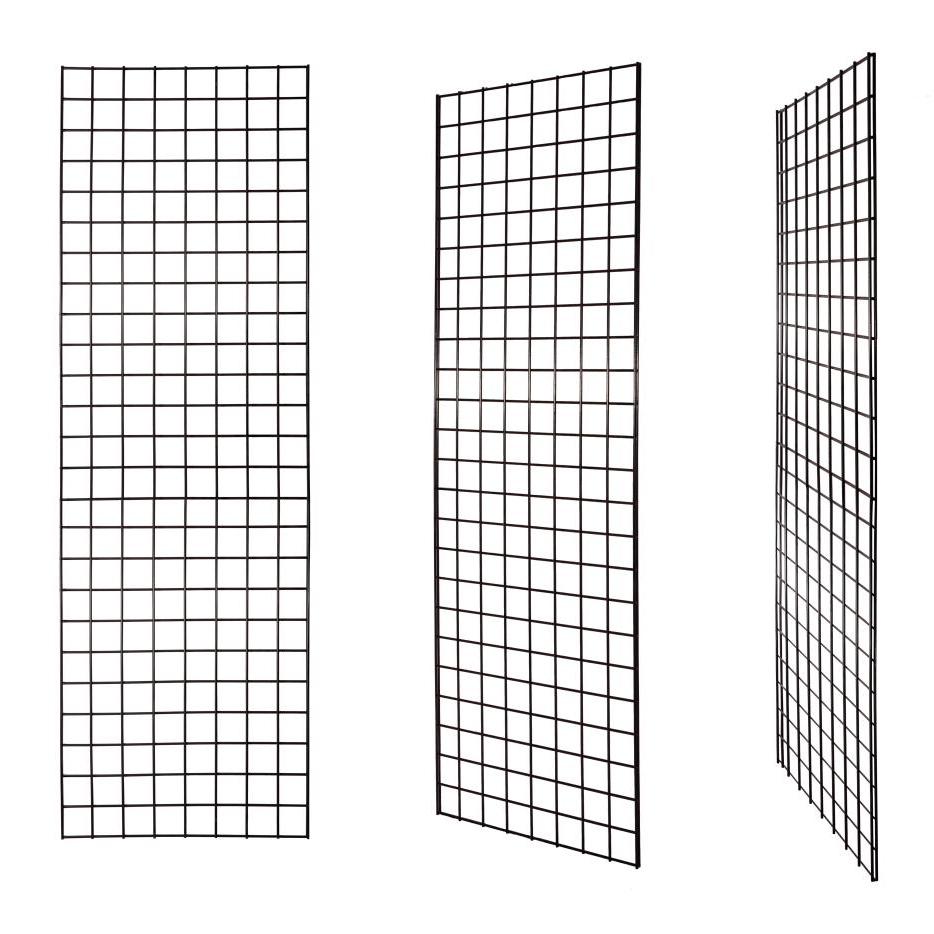


In the bustling realm of retail and personal spaces, standing display shelves are more than just functional objects. They are strategic tools that can significantly enhance the aesthetic appeal and practicality of your environment. Choosing the right standing display shelf can elevate the presentation of products, optimize the use of space, and contribute to a cohesive design narrative. This article will guide you through the essential considerations for selecting the ideal standing display shelf, whether you're working with a wholesale standing display shelf supplier or a direct standing display shelf manufacturer.
Assessing Your Space Layout
● Measuring the Available Area
Before embarking on the selection process, it's crucial to conduct an accurate measurement of the available area where you intend to place the standing display shelf. This initial step involves understanding the dimensions of your space, which will inform the type and size of the shelf that can be accommodated. Consider the height, width, and depth of the area, ensuring that the shelf will fit comfortably without overpowering the space or hindering movement.
● Considering Room Aesthetics
In addition to physical dimensions, the aesthetics of the room should play a pivotal role in your decision. The standing display shelf should complement the existing decor, integrating seamlessly into the overall style of the space. Whether your environment is modern, rustic, or industrial, ensure that the design of the shelf aligns with and enhances the visual appeal of the room.
Choosing the Right Size
● Avoiding Oversized Shelves
Selecting the right size for your standing display shelf is paramount to achieving balance within your space. Oversized shelves can dominate a room, making it appear cluttered and cramped. Instead, opt for a shelf that fits proportionately within the designated area, allowing enough 'breathing room' for other elements.
● Ensuring Proportional Fit
A proportional fit ensures that your standing display shelf serves its purpose without overwhelming the space. Consider the scale of other furniture items and decor in the room. A harmonious integration contributes to a more enjoyable and functional environment, whether in a retail setting or a personal space.
Material Selection for Durability
● Comparing Wood, Metal, and Plastic
The choice of material for your standing display shelf is a critical factor that influences both its durability and aesthetic quality. Wood offers warmth and a classic look, making it suitable for traditional or rustic settings. Metal provides a sleek, modern appearance, often favored in contemporary or industrial designs. Plastic is versatile and lightweight, ideal for dynamic displays or environments where mobility is required.
● Evaluating Long-Term Usage
Consider how the material will perform over time. Wood, while aesthetically pleasing, may require maintenance to prevent warping or damage. Metal is robust and suits high-traffic areas, but it might be prone to scratches and dents. Plastic, on the other hand, is resistant to many forms of wear but may not convey the same premium quality as other materials. Evaluate these factors in relation to the expected usage environment.
Matching Style with Brand Image
● Coordinating with Interior Design
Your choice of standing display shelf should reflect and enhance your brand image. In retail, this involves coordinating the shelf's style with the store's interior design. A cohesive aesthetic can strengthen brand identity, making your space more memorable to clients and shoppers.
● Reflecting Brand Identity
For businesses, the standing display shelf should not only be functional but also a reflection of your brand's ethos. A well-chosen shelf can communicate professionalism, creativity, or luxury, depending on your brand's message. Work closely with your standing display shelf manufacturer to customize the shelf according to your brand’s specific requirements.
Determining Shelf Functionality
● Adjustable Versus Fixed Shelves
Functionality is a crucial aspect when choosing a standing display shelf. Determine whether adjustable or fixed shelves better suit your needs. Adjustable shelves provide flexibility, allowing you to customize the shelf height for different items. Fixed shelves, however, offer a more stable option and can be ideal for heavier or uniformly sized items.
● Ensuring Ease of Product Access
The design of the shelf should facilitate easy access to products. This consideration is especially important in retail environments where customer convenience is paramount. Shelves should be arranged in a way that high-interest items are displayed at eye level, minimizing the need to bend or stretch.
Evaluating Customer Accessibility
● Placing for Optimal Visibility
To maximize the impact of your standing display shelf, strategically place it for optimal visibility. High-traffic areas are ideal for capturing customer attention. Ensure that the positioning allows clear sightlines from various angles within the space.
● Enhancing Shopping Convenience
Consider the customer's journey through the space. The standing display shelf should not obstruct pathways or create bottlenecks but rather guide the flow smoothly. Easy navigation enhances the overall shopping experience and increases the likelihood of purchase.
Optimizing Product Display
● Arranging for Maximum Impact
The way products are arranged on your standing display shelf can significantly affect their appeal. Group items by theme or category to create a coherent display. Use varying heights and depths to add visual interest and draw attention to key products.
● Balancing Aesthetics and Function
While aesthetic appeal is important, functionality should not be compromised. Ensure that your display arrangement allows for easy restocking and maintenance. Striking a balance between aesthetics and function will result in a display that is both attractive and practical.
Considering Weight Capacity
● Understanding Shelf Load Limits
Before purchasing a standing display shelf, it is essential to understand its weight capacity. Overloading shelves can lead to structural damage and potential safety hazards. Consult with your standing display shelf supplier to ensure the shelf can support the intended load.
● Preventing Overloading Issues
Regularly assess the distribution of weight on your standing display shelf to prevent overloading. This consideration not only prolongs the shelf's lifespan but also ensures the safety of both products and customers in a retail setting.
Reviewing Installation Requirements
● DIY Versus Professional Setup
Installation requirements vary among different types of standing display shelves. Some may be simple enough for a DIY approach, while others require professional installation to ensure stability and safety. Consider the complexity of the setup and your technical ability before deciding on the installation method.
● Understanding Mounting Needs
Certain shelves may require wall mounting for additional support. Understand the mounting needs of your chosen design and ensure that the necessary infrastructure is in place. Proper installation safeguards against accidents and enhances the shelf's overall appearance.
Budgeting for Your Display Shelf
● Comparing Costs of Materials
Budget constraints are a reality for most purchasers. When budgeting for your standing display shelf, compare the costs of different materials. While initial costs are important, also consider the long-term value and maintenance expenses associated with each material type.
● Factoring in Installation Expenses
In addition to the cost of the shelf itself, account for any installation expenses. Professional setup may incur additional fees, but it ensures a higher level of safety and precision, potentially offering better value in the long run.
Conclusion
Choosing the perfect standing display shelf involves a blend of aesthetic consideration, functional requirement, and strategic planning. By assessing your space, selecting the appropriate size and material, and coordinating with your brand image, you can create a display that enhances the overall experience for customers or personal enjoyment. Always keep in mind the importance of accessibility, weight capacity, and installation needs. A well-chosen standing display shelf not only serves its practical purpose but also elevates the environment's visual and functional appeal.
About Formost
Formost Plastics & Metalworks (Jiaxing) Co., Ltd. has been a leader in the manufacturing of retail displays, storage racks, and other fixtures since 1992. Founded by a visionary from Taiwan, Formost set up its expansive factory in Jiaxing, spanning 7000 square meters and employing over 70 skilled professionals. Renowned for its ISO9001 and SEDEX certifications, Formost is dedicated to quality and innovation, equipped with cutting-edge CNC machines and automated systems. Formost continues to set industry standards, delivering high-quality products tailored to the unique needs of its global clients.