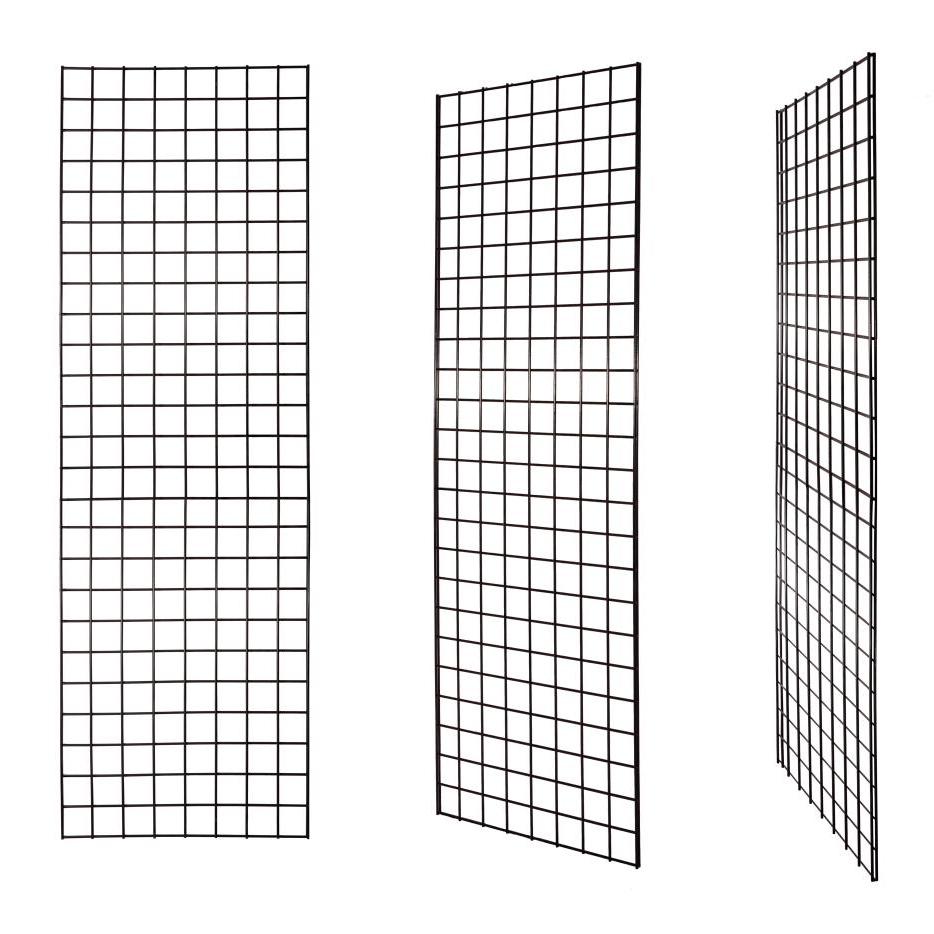


Grid panels, also known as Gridwall displays, are a versatile and efficient solution for showcasing products in retail environments. They are widely used by businesses of all sizes to optimize their display areas while maintaining an organized and visually appealing aesthetic. This article will guide you through the process of installing grid panels, touching on key aspects such as planning, choosing the right panels, and ensuring a successful and durable installation. Whether you're a small business owner or a large-scale retail manager, this guide will provide you with the necessary insights to make the most of your Gridwall displays.
Introduction to Grid Panel Installation
● Understanding the Importance of Grid Panels
Grid panels are an essential component of modern retail environments, offering both flexibility and functionality. Their design allows for a variety of configurations, making them adaptable to different spaces and product types. For small business owners, the ability to customize displays quickly and efficiently can be a game-changer, enhancing product visibility and potentially increasing sales.
● Benefits for Small Business Owners
Small business owners can greatly benefit from the versatility that Gridwall displays offer. Compared to traditional shelving, grid panels are more cost-effective and easier to reconfigure, allowing businesses to adapt to seasonal changes or promotional needs without significant investments. Additionally, the open design of grid panels ensures that products remain the focal point, attracting customers' attention with ease.
Planning Your Grid Panel Setup
● Measuring Your Space
Before purchasing grid panels, it is crucial to measure the area where the panels will be installed. Accurate measurements ensure that you select the correct panel size, minimizing waste and maximizing the available display area. Consider the height and width of the walls, as well as the depth of the area, to determine how many panels you will need and how they will be arranged.
● Sketching Your Layout
Once you have the measurements, sketch a layout of the space. This will help you visualize the installation and identify any potential challenges, such as obstacles or uneven surfaces. A well-thought-out layout will ensure that your grid panels are both functional and aesthetically pleasing, offering maximum visibility and accessibility for customers.
Choosing the Right Grid Panel Type
● Wall-mounted vs. Freestanding
Grid panels come in two main configurations: wall-mounted and freestanding. Wall-mounted panels are ideal for permanent displays and areas with limited floor space. They offer a sleek, professional look and can be fixed directly to the wall, freeing up floor space for other uses. Freestanding panels, on the other hand, are perfect for temporary displays or areas requiring frequent layout changes. They can be easily moved and reconfigured, making them an excellent choice for pop-up shops or seasonal displays.
● Considering Product Display Needs
When selecting grid panels, consider the types of products you will display. Heavier items may require reinforced panels or additional support to ensure safety and stability. Lightweight merchandise, such as clothing or accessories, can be displayed on standard panels with hooks, baskets, or shelves. Understanding your display needs will guide your choice of panel type and accessories, ensuring a seamless and functional installation.
Gathering Necessary Tools and Materials
● Essential Tools for Installation
Installing grid panels requires a few basic tools that are readily available at most hardware stores. You will need a drill, level, measuring tape, pencil, anchors or screws, and a screwdriver. Having these tools on hand will facilitate a smooth installation process, enabling you to secure the panels quickly and efficiently.
● Recommended Materials List
In addition to the tools, it is important to gather all necessary materials before starting the installation. This includes the grid panels themselves, any desired accessories (such as hooks, shelves, or baskets), and the appropriate mounting hardware. If installing wall-mounted panels, select anchors and screws that can support the weight of both the panels and the products you plan to display.
Preparing the Installation Area
● Cleaning and Clearing the Space
Before beginning installation, thoroughly clean and clear the installation area. Remove any existing fixtures, dust, or debris to ensure a smooth surface for mounting. A clean workspace will not only make the installation process easier but also help in achieving a professional finish.
● Ensuring a Smooth Wall Surface
Check the wall surface for any imperfections, such as cracks or bumps, that could hinder the installation. Repair these issues as necessary to provide a stable base for your grid panels. A smooth and even wall surface will ensure that the panels sit flush against the wall, creating a secure and professional appearance.
Installation Process Step-by-Step
● Marking Drill Points with Precision
Begin the installation by marking the drill points on the wall where the panels will be mounted. Use a level to ensure that the marks are straight and evenly spaced. This step is crucial for maintaining the alignment of the panels and ensuring a professional appearance.
● Fixing the Panels Securely
Once the drill points are marked, use a drill to create holes for the anchors or screws. Insert the anchors, if necessary, and proceed to attach the grid panels to the wall using screws. Ensure that each panel is secured tightly, checking for any wobbling or instability. For freestanding panels, assemble the base and attach the panels according to the manufacturer's instructions, making sure they are stable and secure.
Testing and Securing the Installation
● Conducting a Strength Test
After installation, conduct a strength test to ensure that the panels can support the intended weight. Gently apply pressure to different areas of the panel, checking for any signs of instability or weakness. This step is vital for ensuring the safety of both the products displayed and the customers interacting with the display.
● Ensuring Safety and Stability
Double-check that all panels and accessories are securely fastened. This includes verifying that hooks, shelves, and baskets are properly attached and will not detach during use. Regular maintenance checks can prevent potential accidents and prolong the lifespan of the display.
Customizing Your Grid Display
● Using Shelves, Baskets, and Hooks
Gridwall displays offer numerous customization options with a range of accessories. Shelves can be used to display folded clothing or boxed items, while baskets are perfect for smaller items like accessories or promotional products. Hooks allow for hanging items, maximizing vertical space and visibility.
● Adding Lighting for Emphasis
Consider incorporating lighting to highlight specific products or areas of the display. Accent lighting can draw attention to high-margin or promotional items, enhancing their appeal and encouraging sales. Ensure that lighting is installed safely, avoiding any potential hazards such as overheating or electrical faults.
Maintaining and Updating Your Displays
● Keeping the Layout Fresh
To keep customers engaged, regularly update your grid panel displays with new products or seasonal themes. Rotating items and changing layouts can create a fresh and exciting shopping experience, encouraging repeat visits and increased sales.
● Rotating Products and Themes
Consider creating themed displays that align with holidays, seasons, or special promotions. This not only attracts attention but also allows you to highlight different products throughout the year. Regular updates will keep your display dynamic and relevant, appealing to a broad range of customers.
Final Touches and Safety Checks
● Ensuring Visual Appeal
Before opening to customers, take a step back and assess the overall appearance of your grid panel display. Ensure that products are arranged in an aesthetically pleasing manner, with adequate spacing and balance. A professional-looking display will enhance the shopping experience and reflect positively on your brand.
● Double-checking for Secure Fittings
Conduct a final safety check to ensure that all panels, accessories, and products are securely fastened and stable. This includes verifying that no sharp edges or protruding parts pose a risk to customers. Address any issues immediately to maintain a safe and functional display environment.
About Formost Display
Formost Plastics & Metalworks (Jiaxing) Co., Ltd. was established in 1992 as a leading manufacturer with over 30 years of experience in designing and manufacturing retail displays, storage racks, and fixtures made of metal, plastic, or wood. Founded by a visionary from Taiwan, Formost Display is located in Jiaxing, covering an area of 7,000 square meters with a dedicated team of over 70 experienced employees. The company prides itself on ISO9001 and SEDEX certifications, showcasing its commitment to international quality standards. The factory is equipped with 317 general and 10 automated machines, including CNC cutting and bending machines, ensuring efficient production and superior product quality.