

Introduction to grid display racks
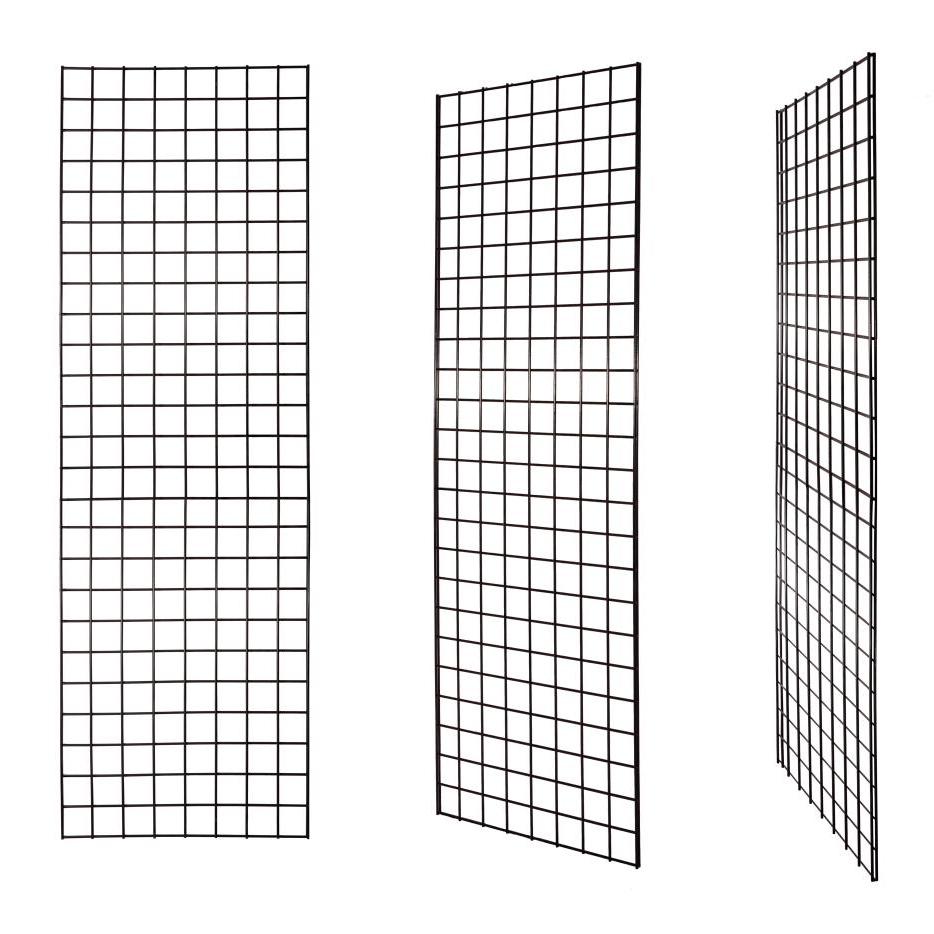
Grid display racks are versatile and essential fixtures used across various retail environments to showcase products efficiently. They comprise interconnected metal grids that offer flexibility, ease of assembly, and customization. Their adaptability makes them a popular choice among retailers and exhibitors worldwide, particularly for businesses looking to maximize space and display capabilities.
Basic Structure and Composition
The grid display rack is typically made from chrome-plated steel or powder-coated wire grids, known for their durability and strength. These materials ensure that the racks can support a significant weight of products while maintaining an aesthetic appeal. The grids can be assembled into freestanding units or wall-mounted configurations, depending on the user's needs.
Types of Grid Display Racks
Grid display racks come in various styles to meet different requirements, providing options that suit specific retail settings or product types. Understanding these types helps select the best configuration for your business.
Freestanding Grid Display Racks
Freestanding grid display racks are self-supporting units that do not require wall support. They are ideal for open floor spaces and can be repositioned easily for layout changes. This type of rack allows for dynamic product arrangements and is perfect for seasonal promotions.
Wall-Mounted Grid Display Racks
Wall-mounted racks are anchored to walls, offering a space-saving solution. These are perfect for stores with limited floor space, allowing vertical product presentations. They are often used in retail environments such as clothing stores, where hanging items is necessary.
Selecting the Right Grid Display Rack
Choosing the appropriate grid display rack involves assessing the specific needs of your retail space and the products you intend to showcase.
Assessing Space and Product Needs
Consider the available space in your store and the types of products you will display. Large, heavy items may require heavier-duty grid systems, while smaller products might be adequately displayed on lightweight racks. Understand the balance between function and aesthetics to enhance the customer experience and product visibility.
Material and Design Considerations
The material of the grid rack influences its durability and appearance. Chrome-plated and powder-coated options offer different aesthetics, with chrome providing a more industrial look and powder-coated options allowing for various color choices to match store branding. Design considerations should include the grid size and spacing based on the types of accessories you plan to use, such as hooks, shelves, or baskets.
Tools and Hardware Needed for Assembly
Proper assembly of grid display racks requires specific tools and hardware to ensure a stable and safe setup.
Essential Tools
- Screwdriver: Required for assembling components and securing hardware.
- Wrench: Helps tighten bolts and nuts.
- Rubber Mallet: Aids in gentle adjustments without damaging surfaces.
Necessary Hardware
- Brackets and Mounts: Used for securing grids to walls or bases.
- Connecting Clips: Essential for joining grid panels securely.
- Stabilizing Feet: Provide balance and prevent the rack from toppling.
Step-by-Step Assembly Instructions
Follow these detailed instructions to assemble your grid display rack effectively.
Positioning and Preparing the Space
Begin by choosing a level surface in your store. Ensure there is enough space for assembling and positioning the grid rack without obstruction. Consider where foot traffic will be highest and position the rack to maximize visibility.
Assembling the Grid Panels
- Lay the panels flat on the ground, aligning them according to your desired configuration.
- Use connecting clips to join panels at their intersections. Ensure each clip is tightly fastened to prevent movement.
- If constructing a freestanding unit, attach the stabilizing feet or base supports.
- For wall-mounted racks, secure the panels with brackets at the desired height, ensuring they are level.
Securing the Grid Display Rack
Properly securing your grid display rack ensures stability and prevents accidents.
Reinforcing Stability
- Use additional brackets for wall-mounted racks to provide extra support.
- For freestanding units, ensure the base is evenly spread and additional weights are used if necessary to prevent tipping.
Checking for Safety Compliance
- Inspect all joints and connections to ensure they are secure.
- Verify that the rack does not wobble or shift when gently pushed.
- Follow any additional guidelines provided by the manufacturer or local safety regulations.
Customizing Your Grid Display Rack
Enhancing the functionality and appearance of your grid display rack can significantly improve product displays.
Adding Accessories
- Hooks: Ideal for hanging items such as bags or clothing.
- Shelves: Provides space for products that need a flat surface.
- Baskets: Great for small or loose items that are difficult to display individually.
Enhancing Aesthetics
Consider painting the grid to align with your brand colors. Use promotional signage or lighting to draw attention to specific products. By customizing the rack, you can create a visually appealing display that captures customer interest.
Maintenance and Care of Grid Display Racks
Regular maintenance ensures longevity and effective use of your grid display racks.
Routine Cleaning
Keep the grids clean by wiping them regularly with a damp cloth. Remove any buildup of dust or grime to maintain a professional appearance. For chrome racks, use a metal polish to keep them shiny and rust-free.
Inspecting for Wear and Tear
Regularly check the grid panels and hardware for signs of damage or wear. Replace any damaged components immediately to prevent collapse or injury. Conduct monthly inspections to ensure the racks remain in optimal condition.
Safety Tips for Using Grid Display Racks
Ensuring safety when using grid display racks is crucial to prevent accidents and liabilities.
Loading Guidelines
- Distribute weight evenly across the grid rack to prevent tipping.
- Avoid overloading shelves or hooks, adhering to manufacturer weight limits.
Regular Safety Checks
Conduct regular safety checks to ensure all components remain secure. Train staff to recognize potential hazards and correct them promptly.
Conclusion and Final Assembly Tips
Assembling a grid display rack requires attention to detail and safety. By choosing the right type, ensuring sturdy assembly, and maintaining regular inspections, these versatile racks can serve as a valuable asset to any retail space. Proper assembly and customization lead to enhanced product visibility and customer engagement.
Formost Plastics Provide Solutions
Formost Plastics is dedicated to providing high-quality grid display racks for retail and commercial use. With a focus on durability and design, our solutions are tailored to meet the needs of businesses ranging from small shops to large-scale wholesalers. Our manufacturing facilities in China allow us to offer competitive prices and customizable wholesale options, ensuring you find the perfect fit for your product display needs. Trust Formost Plastics to deliver reliable and innovative display solutions that enhance your sales and customer experience.