

Introduction
Shelves are an integral part of home decor and functionality. Whether you are looking to display cherished belongings or store essentials, selecting the right shelves can significantly enhance the aesthetic and practical aspects of your living space. This comprehensive guide will explore various considerations to help you choose the perfect shelves for display in your home, incorporating insights into style, material, and installation to meet your specific needs.
Defining Your Shelf's Purpose
● Decorative vs. Functional Use
When choosing shelves, the first step is to clarify their intended purpose. Are they meant to enhance the decor of your space, or do they need to serve a functional role in storage? Decorative shelves are typically more about aesthetics and may host art pieces, photographs, or trinkets that reflect personal taste. Functional shelves, on the other hand, are designed to hold heavier items, such as books or kitchen supplies, and need to be robust and accessible.
● Display vs. Storage Needs
Understanding the distinction between display and storage is crucial. Display shelves are all about presentation, often chosen for living rooms or hallways where style takes precedence. Storage shelves prioritize capacity and organization, making them ideal for kitchens, bathrooms, and closets where practicality is key. Balancing these needs will help to ensure that the shelves meet your expectations without compromising on either style or function.
Choosing the Right Shelf Type
● Wall-Mounted vs. Floor-Standing Shelves
Wall-mounted shelves are space-savvy options that attach directly to the wall, making them great for smaller rooms or areas with limited floor space. These shelves offer a clean and modern look and can be customized in length and positioning. Floor-standing shelves, meanwhile, are versatile and can be moved easily. They come in various forms, such as bookcases or shelving units, and are perfect for creating focal points in larger rooms.
● Modular vs. Fixed Units
Modular shelving systems are adaptable and can be adjusted to fit different room configurations. Ideal for dynamic environments, they allow you to change the layout as needed. Fixed units, on the other hand, provide a stable and permanent solution, often preferred in spaces where the shelving layout is not intended to change.
Considerations for Mounting Methods
● Installation Tips for Wall Shelves
Proper installation is vital for the safety and stability of wall-mounted shelves. It's essential to use the correct hardware, such as wall anchors and brackets, especially if the shelves are intended to hold heavy items. Ensure the mounting surface can support the weight and distribute it evenly to prevent damage. Leveling the shelves is another critical step to maintain the aesthetic appeal and functionality.
● Stability and Safety for Floor Standing Shelves
Floor-standing shelves offer inherent stability, but additional measures can enhance their safety, particularly in households with children or pets. Anchoring tall units to the wall can prevent tipping, while ensuring the shelves are evenly loaded will maintain balance. Consider the weight capacity of each shelf to avoid overloading and potential accidents.
Assessing Room Size and Layout
● Harmony with Room Dimensions
Choosing shelves that harmonize with the room's dimensions is key to achieving a balanced look. An oversized shelf can overwhelm a small room, while a tiny shelf might get lost in a spacious area. Taking precise measurements of the room will help in selecting shelves that complement instead of compete with the existing space.
● Complementing Existing Furniture
Shelves should not only fit within the room physically but also stylistically. Consider the design and color of your existing furniture when choosing shelves. Coordinating styles creates a cohesive look that ties the room together. For example, wooden shelves might match a rustic decor, while sleek metal or glass shelves suit a modern interior.
Material Selection for Durability
● Wood vs. Metal Shelves
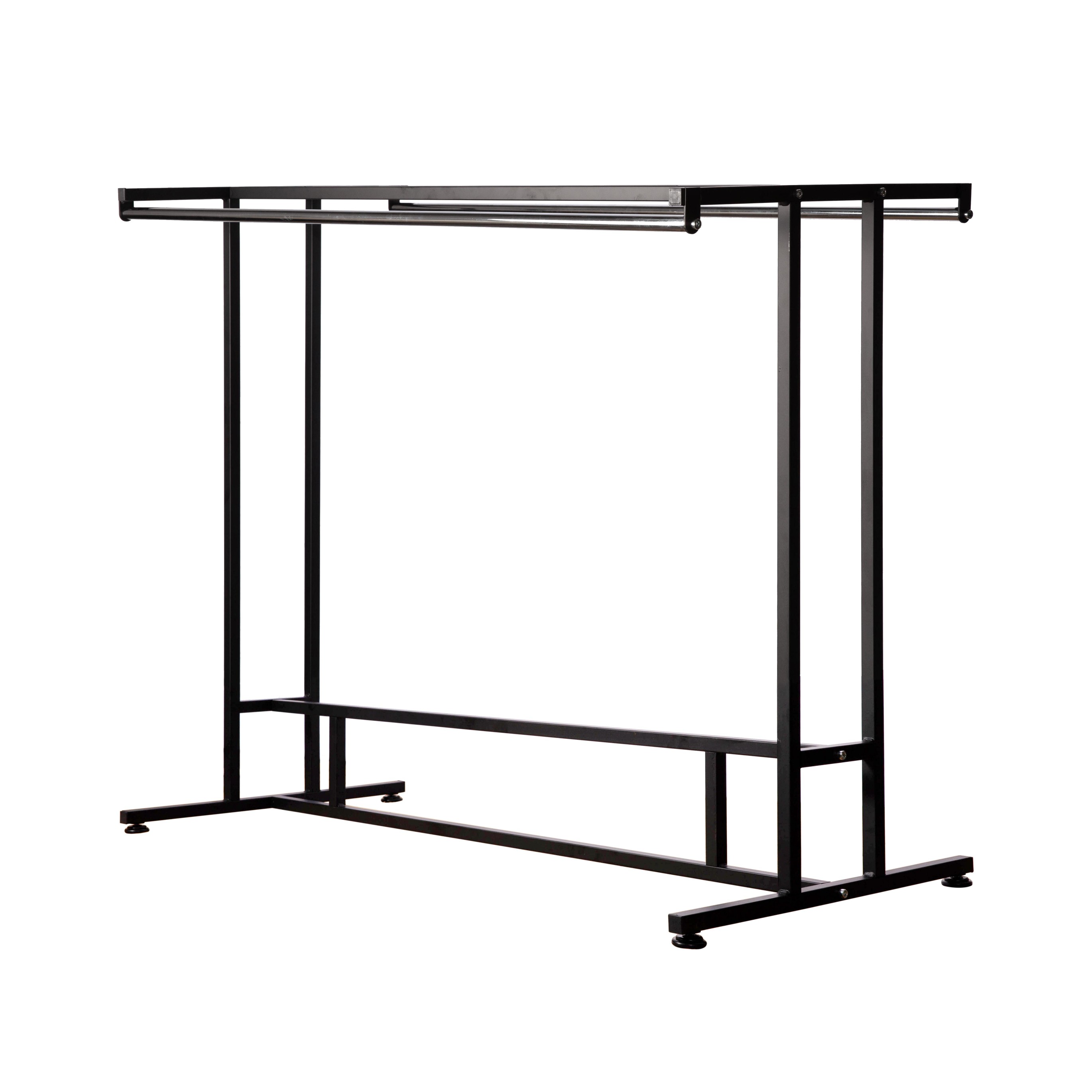
Wood is a classic material that offers warmth and durability. It is available in various finishes and hardwoods, providing flexibility for different aesthetic preferences. Metal shelves are sturdy and offer a sleek, industrial look. They are ideal for modern spaces and can support heavier loads.
● Glass vs. MDF Options
Glass shelves bring elegance and sophistication, perfect for displaying decorative items. However, they may require more care and consideration due to their fragility. MDF (Medium-Density Fiberboard) shelves are cost-effective and versatile, offering a solid look similar to wood but with greater affordability.
Style Choices to Match Decor
● Modern vs. Traditional Designs
The style of the shelves you choose should reflect your personal taste and the overall theme of your home. Modern shelves often feature clean lines and minimalistic designs, suited for contemporary settings. Traditional shelves, with their ornate details and classic finishes, add charm to more conventional homes.
● Minimalist vs. Ornate Styles
Minimalist shelves focus on simplicity and functionality, often preferred for spaces where less is more. They provide a clutter-free look while maximizing utility. Ornate styles, in contrast, are rich in detail and craftsmanship, making them statement pieces that can enhance the sophistication of a room.
Balancing Aesthetics with Functionality
● Visual Appeal vs. Utility
Striking the right balance between aesthetics and functionality is crucial. While it's tempting to choose shelves based solely on looks, evaluating how they function in the space will ensure long-term satisfaction. Consider if the shelves will support your daily routines and integrate well with other elements of the room.
● Creating a Cohesive Look
To create a cohesive look, consider the theme and color palette of the room. Matching or complementary colors and materials can unify the space. For example, if your living room has a neutral palette, choosing shelves within the same color family can enhance the overall flow and coherence.
Maximizing Space with Custom Shelving
● Tailored Solutions for Unique Spaces
Custom shelving solutions offer the advantage of being tailored to fit unique or awkward spaces. Whether you have an alcove or a corner that needs attention, custom shelves can make use of every inch efficiently. They provide a seamless fit and an opportunity for personalization.
● Built-in vs. Freestanding Options
Built-in shelves integrate smoothly into the architecture of a home, providing a streamlined look and maximizing space. Freestanding options, while offering more flexibility in placement, can also be designed to fit specific needs. Weighing the benefits of each will help you determine the best solution for your home.
Budget Considerations and Quality
● Affordable Options vs. High-End Designs
Your budget plays a significant role in determining which shelves to choose. Affordable options, such as prefabricated MDF units, provide cost-effective ways to organize and display items. High-end designs, often crafted from premium materials like solid hardwood or custom metalwork, offer durability and a luxurious finish.
● Cost vs. Longevity
Investing in quality shelves can lead to long-term satisfaction, as they are likely to withstand wear and tear over time. Consider the longevity of the materials and construction, as spending a bit more initially can mean less frequent replacements and repairs, resulting in savings in the long run.
Finalizing and Maintaining Your Display
● Tips for Ongoing Shelf Care
Proper maintenance will keep your shelves looking great and functioning well. Regular dusting and cleaning, appropriate for the material, is essential. For wooden shelves, polish can restore luster, while metal shelves may require anti-rust treatments. Glass should be cleaned with a suitable cleaner to maintain clarity.
● Keeping Your Display Fresh and Inviting
Rotating the items on display can keep your shelves looking fresh and engaging. This not only maintains interest but also allows you to showcase different aspects of your personality and style. Changing decor seasonally or for special occasions can invigorate your space and prevent monotony.
Conclusion
involves balancing aesthetic desires with practical needs. From understanding the purpose and selecting the appropriate type and material, to considering installation and layout, each step is crucial in finding shelves that enhance your home. Whether opting for custom or prefabricated solutions, ensuring they match your style and budget is key to achieving the perfect final look.
Introduction to Formost
Formost Plastics & Metalworks (Jiaxing) Co., Ltd. is a premier manufacturer with over 30 years of experience in the design and production of retail displays, storage racks, and fixtures using metal, plastic, and wood. Established by pioneers from Taiwan, the factory in Jiaxing spans 7,000 square meters with a skilled workforce of over 70 employees. Formost is committed to quality, evidenced by ISO9001 and SEDEX certifications, and is equipped with advanced machinery like CNC cutting and bending machines to ensure top-notch products.