


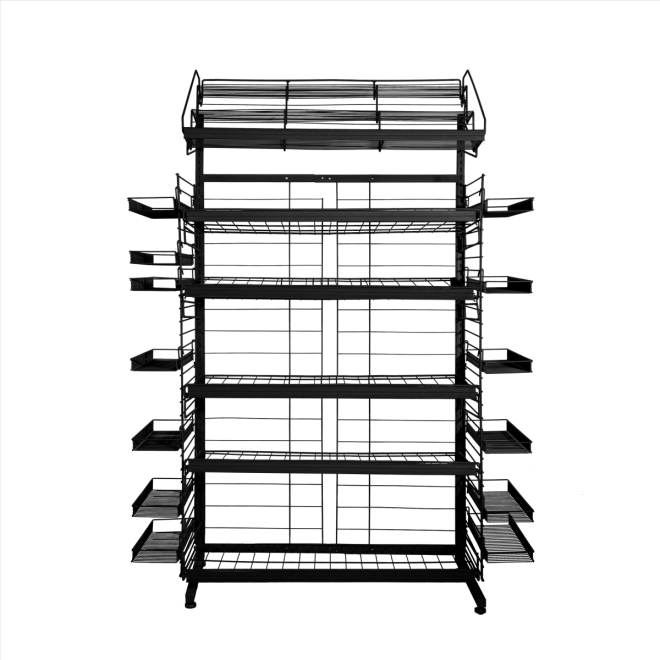
Shelving unit displays have increasingly become a vital component in retail and commercial spaces, serving not just as storage solutions but also as strategic tools for enhancing customer experience and optimizing space utilization. As the demand for these units continues to grow, understanding their development, current trends, and the role of manufacturers becomes essential. This comprehensive article explores the historical evolution of shelving unit displays, the latest industry trends, the economic and societal impacts, and future prospects. Additionally, it highlights the importance of a reliable manufacturing base, often exemplified by industry leaders like Formost.
● Introduction to Shelving Unit Displays
● Importance in Modern Retail and Commercial Spaces
Shelving unit displays are integral to retail environments, providing not only functional storage but also serving as tools for effective product presentation. Their role in creating appealing and organized layouts can significantly influence consumer behavior and sales outcomes.
● Overview of Article Content
This article delves into the history, current trends, and future of shelving unit displays. It examines the challenges manufacturers face, the innovative solutions emerging in the industry, and the economic and societal implications of these products.
● Historical Background and Context
● Origins and Evolution
The concept of shelving unit displays dates back to ancient trade markets where merchants used rudimentary wood or metal structures to exhibit their goods. As commerce evolved, so did the sophistication of these displays, incorporating a variety of materials and designs to meet the changing needs of sellers and consumers alike.
● Key Historical Milestones
The industrial revolution marked a significant milestone in the development of shelving unit displays, introducing mass production techniques and new materials such as steel and plastic. The post-war boom in consumerism further drove innovation, leading to the creation of modular systems and lightweight materials that revolutionized retail spaces.
● Current Trends and Developments
● Recent Advancements
Today, shelving unit displays are at the forefront of retail innovation. Modern designs emphasize flexibility, modularity, and customization, allowing retailers to adapt quickly to new product lines or marketing strategies. The integration of technology, such as digital signage and interactive displays, is also transforming how products are presented and engaged with by consumers.
● Statistics Highlighting Trends
Data from market research firms indicate a steady increase in demand for shelving unit displays, driven by the expansion of the retail sector and the rise of e-commerce. Studies show that retailers invest heavily in display infrastructure to create immersive shopping experiences and streamline operations.
● Challenges and Obstacles
● Major Hurdles in the Industry
Despite their benefits, shelving unit displays face several challenges. Manufacturers must balance durability and cost-effectiveness while meeting design and functionality demands. Moreover, the increasing emphasis on sustainability requires using eco-friendly materials and processes, adding another layer of complexity to production.
● Societal and Technological Limitations
The rapid pace of technological advancement can sometimes outstrip the industry's ability to adapt, leading to a skills gap in the workforce and the need for ongoing training and development. Additionally, societal shifts towards sustainability put pressure on manufacturers to minimize their environmental footprint.
● Innovative Solutions and Strategies
● Emerging Tools and Technologies
Innovation in shelving unit displays is driven by advances in materials science and manufacturing technology. Smart shelving systems equipped with sensors and IoT technology can track inventory in real time and provide data analytics, enhancing efficiency and reducing waste.
● Successful Case Studies
Several retailers have successfully implemented advanced shelving unit displays to boost sales and customer engagement. For example, a prominent electronics chain used modular displays to revamp their store layout, resulting in a 20% increase in foot traffic and a 15% rise in sales.
● Impact on Society and Culture
● Social Implications and Cultural Shifts
The evolution of shelving unit displays reflects broader cultural trends towards personalization and convenience. As consumers demand more tailored shopping experiences, retailers must adapt their displays to meet these expectations, reshaping how products are showcased and accessed.
● Influence on Daily Life
Well-designed shelving unit displays enhance not only retail environments but also influence lifestyle choices by promoting organization and efficiency in personal and professional spaces.
● Economic Implications and Opportunities
● Financial Benefits and Market Potential
The global shelving unit display market offers substantial opportunities for growth, fueled by the expansion of retail sectors in emerging markets and the ongoing shift towards e-commerce. Manufacturers and suppliers who can provide innovative, cost-effective solutions stand to gain a significant competitive advantage.
● Economic Risks and Uncertainties
Nevertheless, the industry must navigate economic uncertainties, such as fluctuating raw material prices and changing consumer spending habits, which can impact demand and profitability.
● Conclusion and Call to Action
● Summary of Key Points
Shelving unit displays are a critical element in the modern retail landscape, offering functional, aesthetic, and economic benefits. As the industry continues to evolve, stakeholders must address challenges related to sustainability, innovation, and market dynamics.
● Encouragement for Reader Involvement
Readers are encouraged to consider the impact of shelving unit displays in their own environments and to explore opportunities for innovation and improvement in their usage and design.
● Introduction to Formost
Formost Plastics & Metalworks (Jiaxing) Co., Ltd. stands as a leading manufacturer with over 30 years of experience in crafting retail displays and storage solutions. Established in 1992 by a visionary founder from Taiwan, the company chose Jiaxing for its strategic location, fostering growth and innovation. The factory spans 7,000 square meters, employs over 70 skilled workers, and prides itself on ISO9001 and SEDEX certifications, underscoring a commitment to excellence. Equipped with advanced machinery, Formost continues to set standards in quality and efficiency.
