


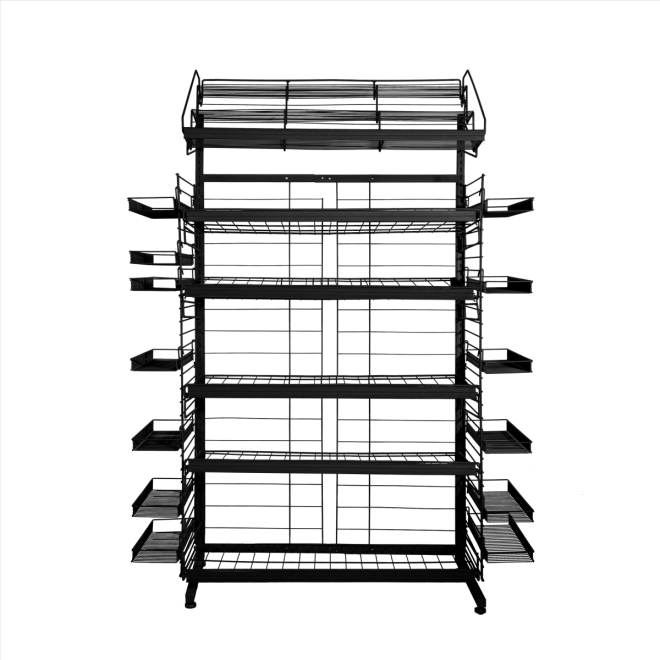
When it comes to organizing and showcasing your products optimally, a well-maintained shelf display rack is indispensable. Whether you're a retailer, a wholesaler, or simply someone who values meticulous organization at home, knowing how to care for your shelf display racks is essential. This article will delve into the five pivotal tips for maintaining your shelf display rack, ensuring longevity, aesthetic appeal, and functional efficiency. By integrating these strategies, sourced from experienced shelf display rack manufacturers, you'll extend the lifespan of your racks and maintain their pristine condition.
1. Wiping Your Shelf Display Rack Correctly
● Importance of a Clean Rag
Ensuring that your shelf display racks are free from dust, grime, and fingerprints starts with the right cleaning tools. Using a clean rag is crucial for this task, as it prevents the transfer of dirt and grime from one part of the shelf to another. Unlike old rags that might harbor dust or grease, a clean cloth ensures that surfaces are wiped down without leaving streaks or residues, which is especially important for glass or polished metal racks often supplied by wholesale shelf display rack vendors.
● Frequency of Wiping Down Shelves
Consistency is key when it comes to maintenance. Establishing a regular wiping schedule will ensure that your shelves remain clean and appealing. For commercial environments with high foot traffic, a daily wipe might be necessary. In contrast, less frequent use, such as in a home or private office, may allow for weekly maintenance. By adhering to a consistent cleaning routine, not only do you enhance the visual appeal of your racks, but you also prevent the buildup of dust and allergens, a concern that shelf display rack suppliers frequently emphasize.
2. Selecting the Right Conditioning Products
● Types of Conditioners for Different Materials
Your choice of conditioner should align with the material of your shelf display racks. Wood, metal, and plastic each require specific products to maintain their integrity. For wood racks, a high-quality wood polish or wax is ideal, providing a protective layer against moisture and scratches. Metal racks, on the other hand, benefit from anti-corrosion sprays that prevent rust. For plastic racks, using a non-abrasive cleaner ensures that the surfaces remain scratch-free. Consulting with a shelf display rack manufacturer can provide insights into the best products for your specific racks.
● How Conditioner Enhances Shelf Longevity
Conditioners play a dual role—preserving the aesthetic quality of the shelves and extending their lifespan. When used correctly, these products seal the surface, protecting against environmental elements like humidity, which can warp wood or cause metal to corrode. Additionally, conditioners add a sheen that enhances the visual appeal of the racks, a feature that is particularly beneficial in retail environments where presentation matters. Regular conditioning is a recommendation that shelf display rack factories often relay to their clients, underscoring its importance.
3. Addressing Paint and Water Stains Promptly
● Identifying Paint and Water Stains
Despite best efforts, paint and water stains can occasionally appear on your shelves. Identifying these blemishes early is crucial for effective removal. Paint stains often have a distinct texture and color, differing from the surrounding material. Water stains, meanwhile, are typically identified by discoloration or ring patterns, especially on wood surfaces. Prompt identification and action prevent permanent damage and ensure your shelves remain in prime condition, a practice emphasized by experts across the shelf display rack industry.
● Effective Removal Techniques
The approach to stain removal should be gentle yet effective. For paint stains, using a soft cloth dampened with a mild detergent or a specialized paint remover is advisable. Rubbing gently will prevent damage to the shelf's finish. Water stains, particularly on wood, can often be tackled with a mixture of vinegar and water or a dedicated wood cleaner. Ensuring that you follow the manufacturer's guidelines is necessary, as improper techniques can exacerbate the issue, a point often highlighted by shelf display rack suppliers.
4. Regular Cleaning to Prevent Dust Accumulation
● Schedule for Dusting and Cleaning
Regular cleaning schedules are indispensable for maintaining your shelf display racks' pristine condition. Dust can accumulate quickly, dulling surfaces and detracting from the products displayed. Implementing a routine, such as weekly dusting and monthly deep cleans, helps maintain the visual and functional quality of shelves. For businesses, aligning cleaning schedules with store hours ensures minimal disruption, a strategy frequently adopted by wholesale shelf display rack locations.
● Tools for Dust Prevention
Investing in the right cleaning tools makes the task of dust prevention more efficient. Microfiber cloths are excellent for dusting due to their ability to trap particles without scratching surfaces. For hard-to-reach areas, a soft-bristle brush can be useful. Vacuum attachments specifically designed for cleaning shelves can also be a wise investment, especially for larger commercial setups. These tools are often recommended by shelf display rack factories as they help prolong the life and appearance of the racks.
5. Tailoring Maintenance to Shelf Materials
● Wooden vs. Metal Shelves
The maintenance needs of shelves can vary greatly depending on their material. Wooden shelves require careful attention to moisture levels and benefit from regular application of wood polish to maintain their sheen. Conversely, metal shelves need protection from rust, requiring periodic inspections and treatments with anti-corrosion products. Tailoring your maintenance routine to the specific material of your shelves ensures their durability and effectiveness, a practice advocated by leading shelf display rack suppliers.
● Glass vs. Plastic Shelves
Glass and plastic shelves each have unique maintenance requirements. Glass shelves must be handled with care to avoid scratches and breaks; using a glass cleaner keeps them clear and transparent. Plastic shelves, lightweight and durable, should be cleaned with non-abrasive products to prevent scratches and discoloration. Understanding these differences is essential for shelf longevity, and consulting with a reputable shelf display rack manufacturer can provide valuable guidance in this regard.
6. Using Protective Covers and Linings
● Benefits of Shelf Protection
Using protective covers and linings can significantly enhance the longevity of your shelf display racks. These protective measures safeguard against spills, scratches, and other forms of wear and tear. Not only do they protect the shelves themselves, but they also preserve the appearance of the products displayed. This is especially vital in high-traffic retail environments where shelves are frequently used and handled.
● Types of Protective Covers
There are various protective covers available, from simple plastic liners to specialized covers designed for specific shelf types. Plastic liners are an affordable option that can be easily replaced, whereas custom-fit covers offer tailored protection that perfectly suits the dimensions of your shelves. Choosing the right type of cover depends on the material of the shelf and the specific requirements of your display environment. Consulting with a shelf display rack factory can provide insights into the best options for your needs.
7. Maintaining Shelf Stability and Alignment
● Checking for Stability Issues
Regular inspection for stability issues is crucial to ensuring the safety and functionality of your shelf display racks. Checking for signs of wobbling, misalignment, or loose joints can prevent accidents and prolong shelf life. It's advisable to conduct these inspections regularly, particularly after rearranging or moving shelves, to ensure they remain secure and stable, a practice highlighted by many shelf display rack suppliers.
● Solutions for Misalignment
Addressing misalignment issues promptly maintains the structural integrity of the shelves. This might involve tightening screws, adjusting brackets, or repositioning the shelves themselves. In cases where the problem persists, consulting with a professional or referring to the shelf display rack manufacturer's guidelines can provide solutions. Keeping shelves aligned not only enhances appearance but also ensures they function effectively in displaying products.
8. Avoiding Overloading and Weight Distribution
● Identifying Load Limits
Understanding and respecting the load limits of your shelves is vital to prevent damage and ensure safety. Overloading can lead to warping, collapse, or breakage, particularly in wooden or glass shelves. Manufacturers often provide weight guidelines that should be adhered to, preventing undue stress on the shelves. Consulting with a wholesale shelf display rack provider can also offer insights into specific weight capacities based on your setup.
● Tips for Even Weight Distribution
Evenly distributing weight across your shelves prevents stress points and potential damage. Positioning heavier items closer to the center and lighter ones towards the edges creates a balanced setup that minimizes risk. Regularly reviewing and adjusting the placement of items ensures the load remains evenly distributed, a strategy endorsed by experienced shelf display rack suppliers to prolong the life of the racks.
9. Addressing Wear and Tear on Shelves
● Recognizing Signs of Wear
Being able to identify early signs of wear and tear is crucial for timely intervention. Indications such as scratches, dents, discolorations, or wobbling can signify the need for maintenance or repair. Regular visual inspections allow for early detection and address these issues before they escalate, a practice emphasized within the shelf display rack industry.
● Repair vs. Replacement Decisions
Once signs of wear are identified, deciding between repair and replacement can impact both costs and functionality. Minor damages may be easily repaired with simple tools or professional help. However, in cases of significant damage affecting safety or aesthetics, replacement might be the more viable option. Consulting with a shelf display rack manufacturer can provide expert advice to inform your decisions based on the extent of the wear.
10. Creating a Maintenance Routine and Checklist
● Components of an Effective Routine
An effective maintenance routine involves regular cleaning, inspections, and adjustments tailored to the specific needs of your shelves. Incorporating tasks such as dusting, conditioning, and stability checks ensures comprehensive care. By setting a schedule and adhering to it, the longevity and appearance of your shelves are effectively maintained, a strategy recommended by shelf display rack factories.
● Keeping a Maintenance Checklist
A maintenance checklist serves as a practical tool to ensure no aspect of shelf care is overlooked. Listing tasks, frequencies, and necessary tools provides a clear framework to guide maintenance activities. Regularly updating the checklist based on observations and feedback from shelf display rack suppliers can enhance its effectiveness and ensure comprehensive shelf care.
● About Formost Plastics
Formost Plastics & Metalworks (Jiaxing) Co., Ltd. was established in 1992, boasting over 30 years of experience in designing and manufacturing retail displays, storage racks, and fixtures. Founded by a visionary from Taiwan, they chose Jiaxing as the home for their innovative factory. This facility spans 7,000 square meters and employs 70 skilled staff members. Their commitment to quality is demonstrated by their ISO9001 and SEDEX certifications. Equipped with state-of-the-art machinery, including CNC cutting and bending machines, Formost Plastics stands out as a leader in the industry.
